

Nuts|Riveted, clinched, bonded, locking and sealing nuts
YF Zhichengjia nut source factory: rivet nuts, clinch nuts, ultra-thin locking clinch nuts, bonded nuts, locking nuts and washers, IP68 O-ring sealing nuts — four installation processes (riveting, bonding, locking, sealing) for stable threads in thin sheets and machined parts.

Core advantages
Serrated locking
Teeth bite into the mating face for reverse resistance, re-usable many times
Pre-applied adhesive
P85 and similar locking compound cured on the thread — permanent chemical lock
Nylon patch
Pre-applied nylon gives damping torque through compression rebound
Combined flange
Pan head, flange and spring washer assemblies cut assembly time
Washer solutions
Conical, double-layer and double-sided toothed washers for different conditions
Automotive validation
Shaker-rig and torque-decay testing, data shipped with the parts
Product series
Rivet Nut Custom & Selection Solutions
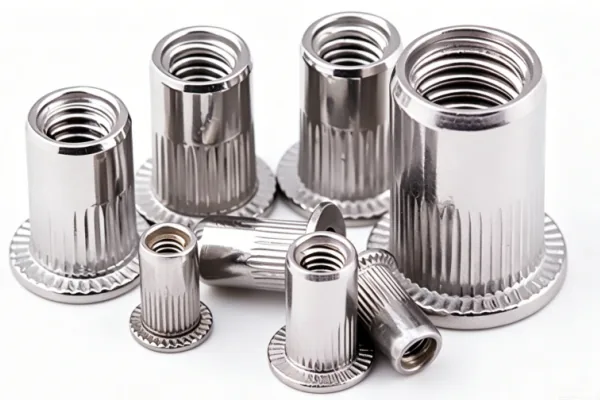
NutsRivet nut solutions: stainless, steel and aluminum types, pull-out and shear data document
View →Self-Clinching Nut Custom & Selection
NutsSelf-clinching nut solutions: clinch screws, studs and panel fasteners for sheet metal, pu
View →Ultra-thin self-locking self-clinching nut
NutsThe ultra-thin locking clinch nut was developed for extremely thin sheet. Custom specifica
View →Bonding Nut
NutsThe bonding nut uses a large base plate to increase the bonding area, and its surface is s
View →Anti-Loosening Screw Custom & Selection
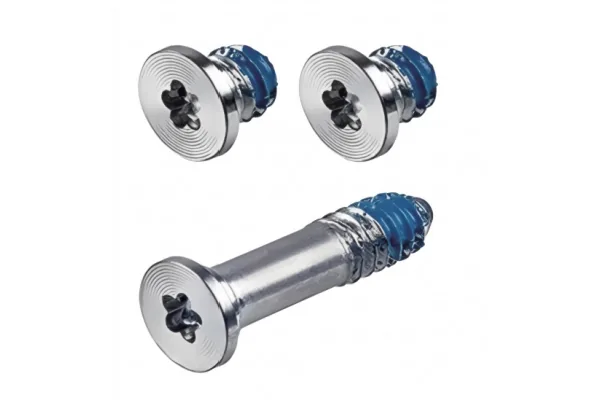
NutsAnti-loosening solutions: pre-applied adhesive bolts, conical toothed washers and prevaili
View →IP68 O-ring sealing nut
NutsThe IP68 O-ring sealing nut features a precision integrated groove design with a built-in
View →Nuts · All models
29 model pages with specifications and drawings — click any model to open its detail page
Anti-Loosening Screw Custom & Selection(21)
- Captive anti-loosening anti-settlement nut
- 0.6mm CM ultra-thin head micro screw with serrated locking
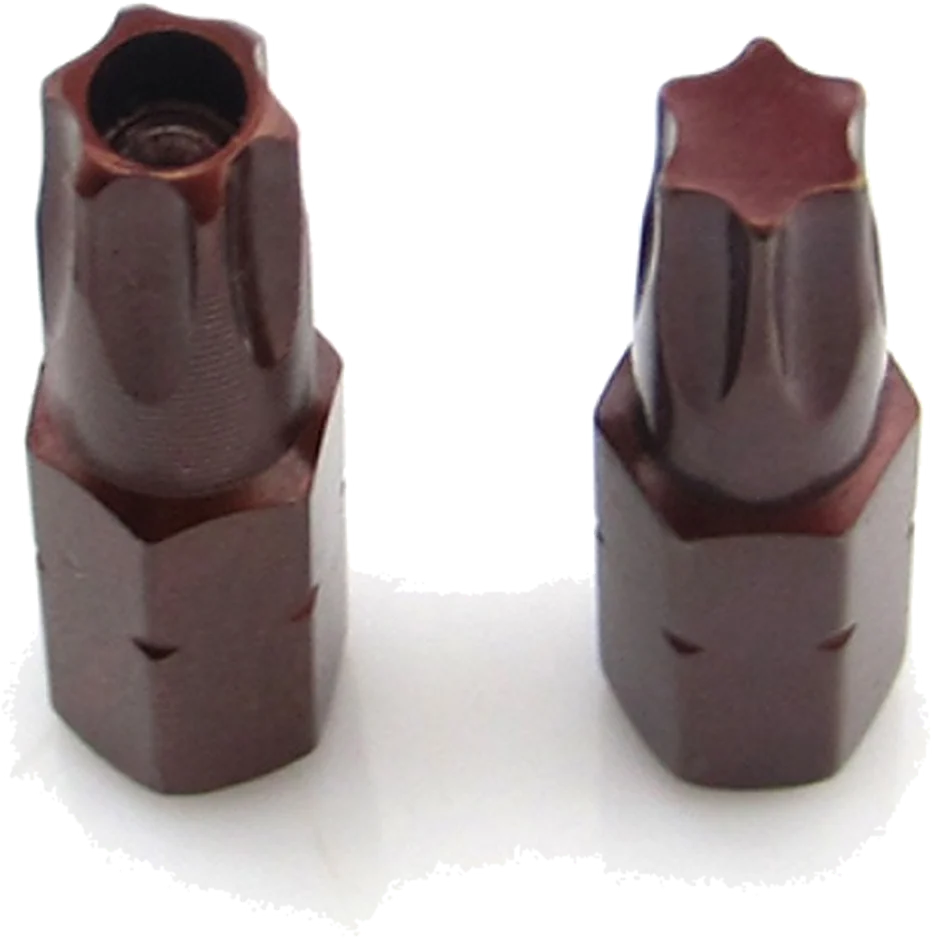
- Hexalobular Socket Head P85 Anti-Loosening Screw
- Conical serrated locking washer
- Double-layer locking washer
- Torx Drive Anti-Loosening Screws with Nylon Patch
- Hex flange serrated pre-applied adhesive locking screw
- NFE25511 conical anti-loosening washer
- Captive pan-head flange anti-loosening screw with pre-applied adhesive
- Pre-applied adhesive sealing bolt
- Integrated Anti-Loosening & Anti-Settlement Nut
- Multifunctional sealed anti-loosening screw (Type B)
- Multifunctional sealed anti-loosening screw
- Captive slotted anti-loosening nut
- Splined nylon washer
- Torx two-piece screw assembly
- Hexalobular Socket Cylinder Head Three-Piece Anti-Loosening Screw
- Multifunctional Sealing & Anti-Loosening Screw
- Torx cheese-head nylon-adhesive anti-loosening screw
- Ultra-thin self-clinching nut
- 0.6mm CM Ultra-Thin Head Serrated Anti-Loosening Micro Screw
Product Center(5)
- 1.2mm ultra-thin clinch nut
- Flat-head hex rivet nuts
- Self-Clinching Nut Custom & Selection
- Type 71 flat-head knurled sealing rivet nut
- Ultra-thin self-locking self-clinching nut
Product Center(2)
Product Center(1)
Selection guide
Serrated locking
Teeth bite into the mating face for reverse resistance, re-usable many times
Pre-applied adhesive
P85 and similar locking compound cured on the thread — permanent chemical lock
Nylon patch
Pre-applied nylon gives damping torque through compression rebound
Typical applications
New energy vehicles
Motor, controller and battery-pack vibration points
Rail transit
Equipment-cabinet fastening under vibration
Construction machinery
Diesel engines and hydraulics under high-frequency vibration
Outdoor equipment
Wind turbines and PV mounting under wind-induced vibration
Appliance motors
Washing machines and compressor vibration sources
Precision instruments
Transport vibration protection and micro-displacement control
FAQ
Q1Serrated or adhesive locking — which is better?
Neither is universally better: serrated locking is re-usable and heat-resistant; pre-applied adhesive locks harder but is essentially single-use. For heavy vibration with maintenance access, use both.
Q2What is the temperature limit of a nylon patch?
Standard Nylok patches work from about -40 to 120 °C; beyond that choose serrated locking or high-temperature locking adhesive.
Q3Can locking screws be re-used?
Serrated and flange types can; P85 pre-applied adhesive is destroyed on removal and needs re-coating or replacement.
Q4Do locking features change tightening torque?
Yes — they add drive resistance, so assemble to the recommended torque to reach the designed clamp load. A torque reference table is available.
Q5What does a combination screw include?
Typically screw, spring washer and flat washer (or flange), removing on-line washer assembly, improving efficiency and preventing missing washers.
Q6Is there test data for locking performance?
We can provide transverse vibration (Junker) and torque-decay reports so selection can be data-based.
Need the full catalog or custom clinch and rivet fasteners to drawing?
Send specifications, drawings or application details for selection advice, test reports and a fast quote — direct to our sales lead.