
Consumer electronics fastening solutions|Board-level SMT / plastic insertsClinch locking / ultra-low heads
Fasteners in consumer electronics face two hard constraints: extremely thin space and extremely demanding appearance. A thread on the board can only come from a soldered part, boss life depends on the insert, and screws on the panel must be both thin and good-looking. This page is organized around the four process sections of the Industry Handbook – Consumer Electronics, and each size links to its product page for dimensions and materials.

Thin, small, good-looking — the selection order under three constraints
Fasteners for consumer electronics are not chosen by strength; they are narrowed down by space, then life, then appearance. Every point below cites a source you can verify.
How many times a boss survives depends on the insert inside it
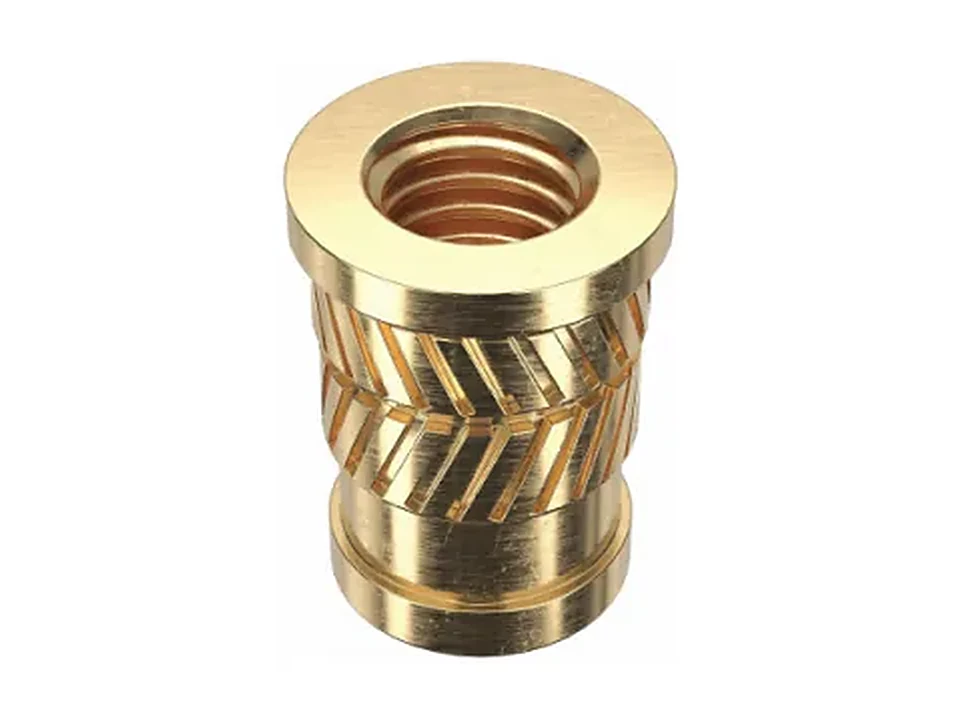
A thread cut directly into plastic is re-cut the first time the joint is opened, and from the second assembly on it no longer holds. The job of an insert is to move the thread out of the plastic and into metal, so the screw can be removed repeatedly without damaging the boss. The handbook lists brass, stainless steel and titanium alloy as insert materials; the choice is a trade-off between strength, weight and cost.
An ultra-low head is not a case of grinding it thinner; it is a combination of head style and drive
Making the head thinner costs torque-transmitting area, so a thin head must be paired with a dedicated drive: CD thread, JIS recess and Y recess all keep the bit engaged within a limited head thickness. The handbook states that screws can be produced with ultra-low head styles including CD thread, JIS recess and Y recess. If the head style is wrong, the line reports it as cam-out and bit wear.
Clinch nuts with nylon in sheet metal solve locking and pull-out in one part
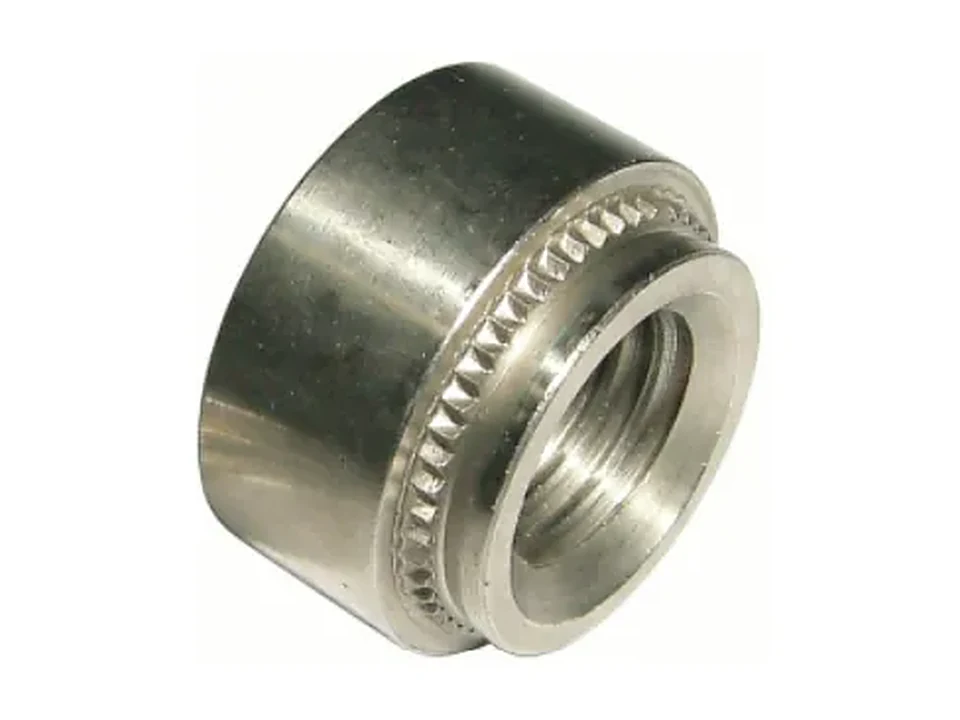
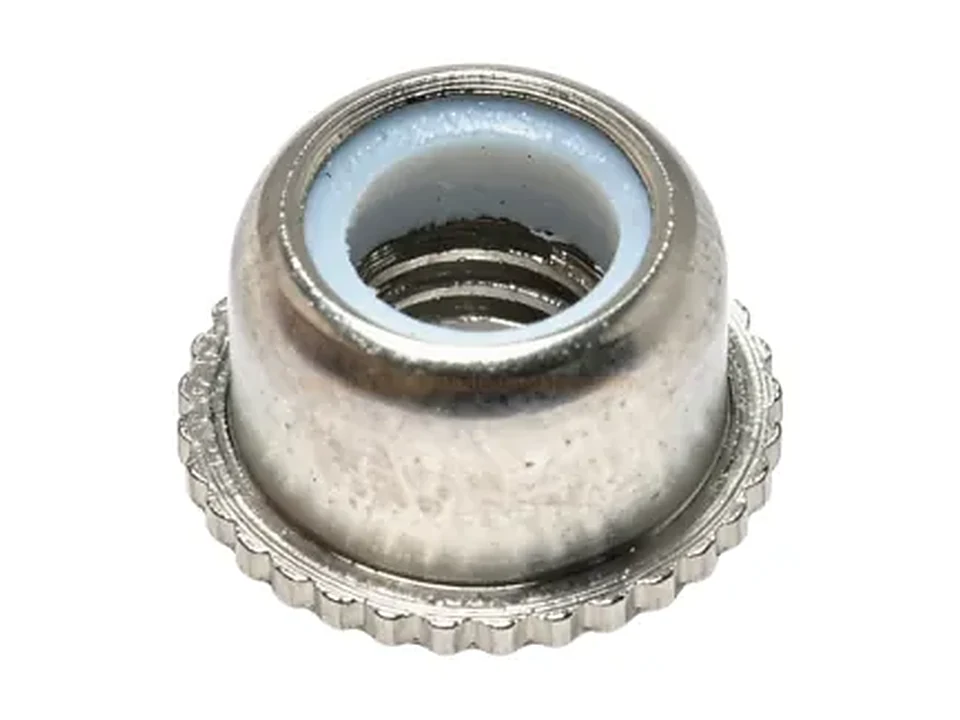
Clinching a nut into thin sheet metal such as a shield or mid-plate with nylon set into its outside diameter effectively builds in an elastic locking layer: removal torque stays stable and repeated assembly does not loosen the joint. Installation is done with clinching equipment, which is more consistent than hand tapping.
Surface treatment on cosmetic parts is a functional requirement, not decoration
Exposed screws are meant to be seen, so plating color, grain direction and edge burrs all become part of the cosmetic standard. PVD with CD texture is the usual combination for these parts: PVD supplies color and wear resistance, CD texture supplies directional highlights. Acceptance must include a cosmetic limit sample; a line cannot judge an instruction that says only “no scratches”.
Water resistance comes from the sealing design, not from tightening harder
Water-exposed locations in consumer electronics are usually buttons, connector covers and speaker chambers. The approach is pre-applied sealant under the head or on the thread, or an O-ring; the handbook states sealing up to IP68. The risk with these parts is not the part itself but consistency of assembly torque — too little torque leaves the O-ring uncompressed, too much cuts it.
All specifications, grouped by four process families
Each card links straight to its product page, where head style, drive, material, plating and packaging are authoritative. For ultra-low heads and inserts we recommend testing a sample in the real assembly before freezing the drawing.
PCB applications
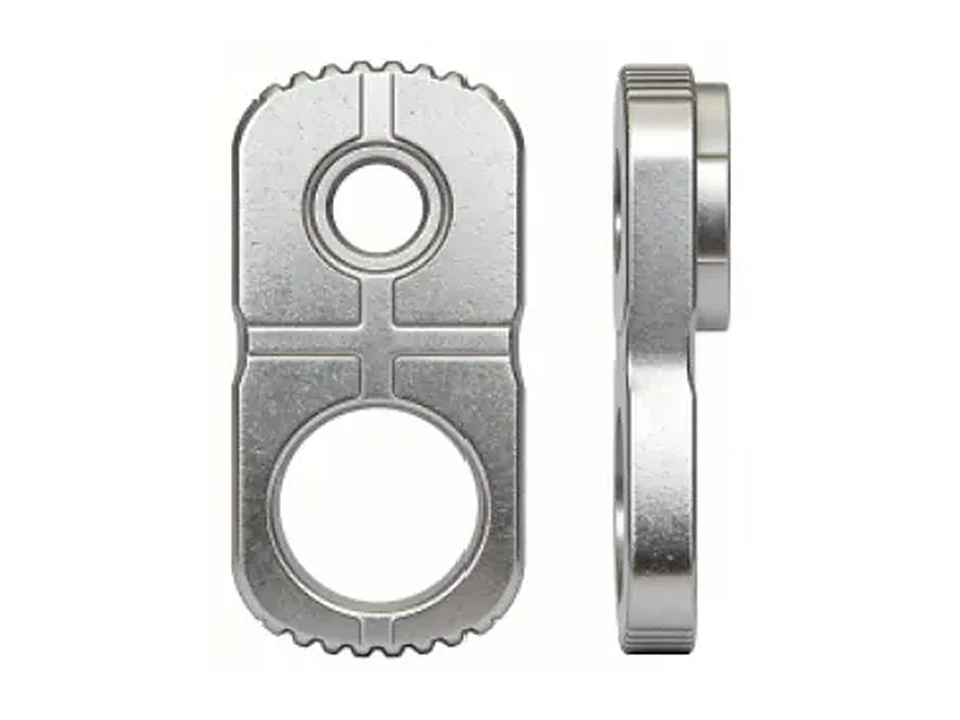
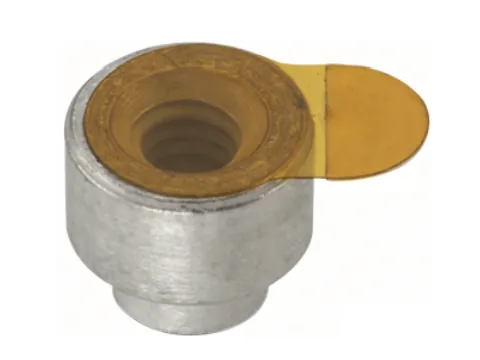
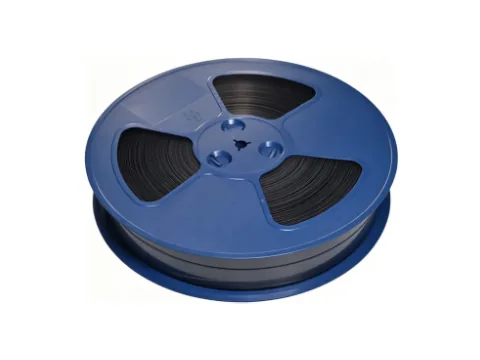
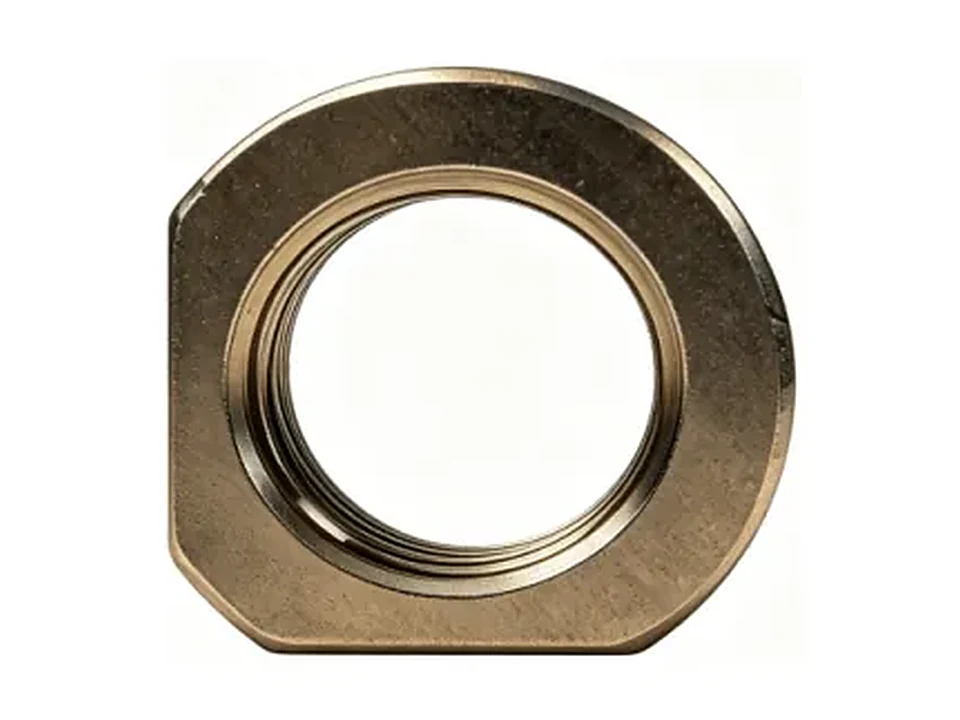
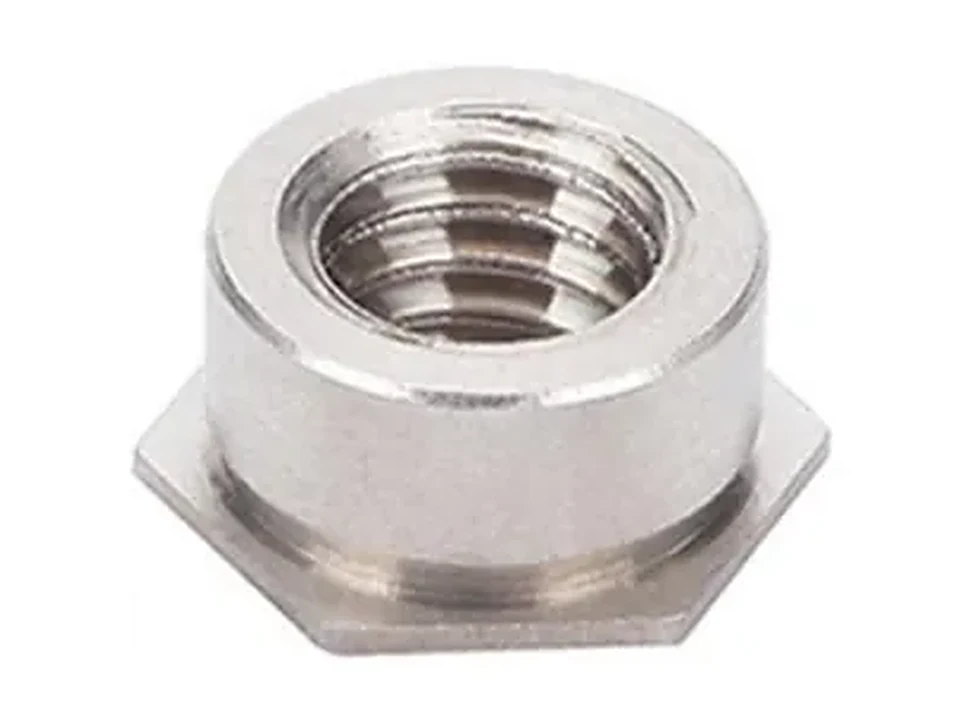
8 SKUsTin-plated copper nuts and SMT plates are soldered to PCB pads to create a threaded connection; the plate can double as a standoff, and full-reel tape packaging suits pick-and-place machines. Inner-outer thread super screws for 1.2 mm and 1.4 mm board thicknesses serve multilayer stacks and board-to-sheet-metal joints.
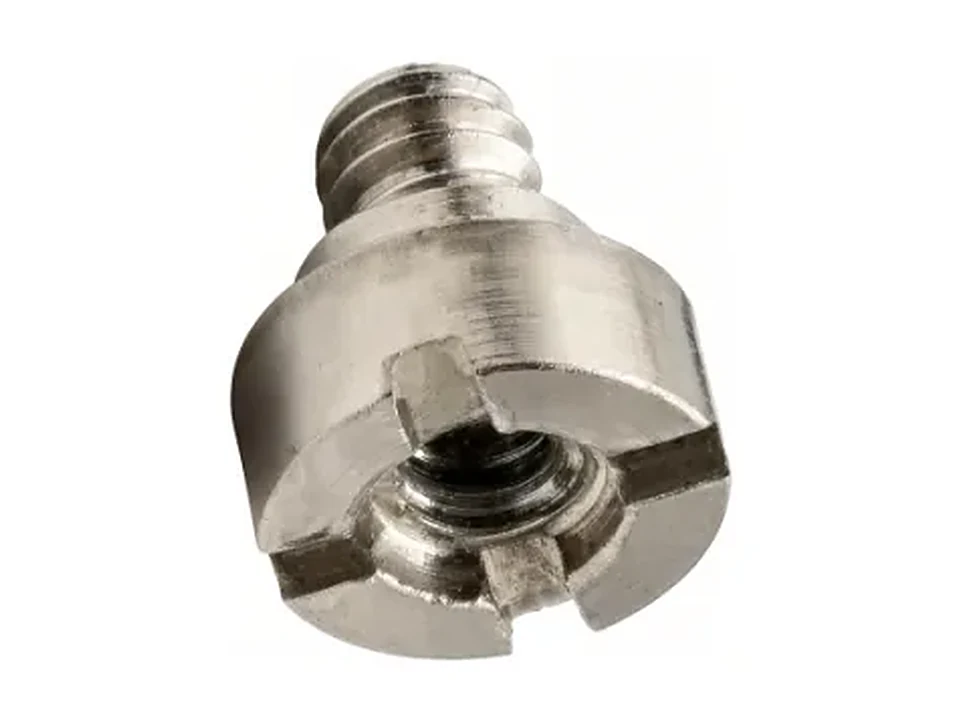
Clinch (nylon locking)
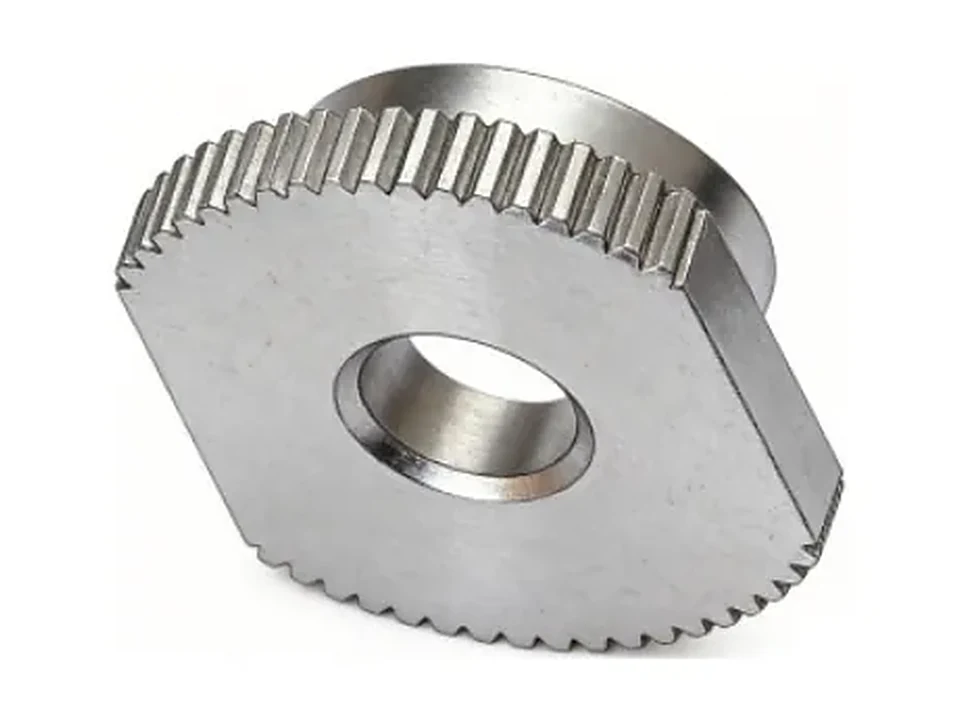
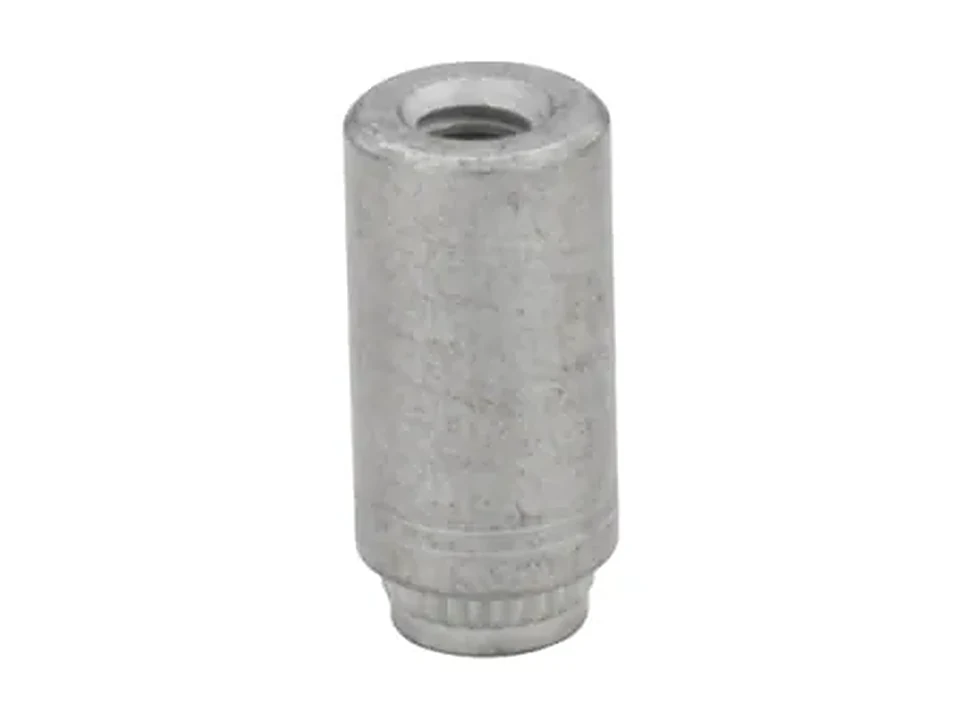
3 SKUsClinch nuts are used for fastening in consumer electronics sheet metal; nylon in the outside diameter provides locking and anti-pull-out, and installation uses clinching equipment. Ultra-thin clinch nuts serve space-restricted locations such as mid-plates and shields.
Inserts
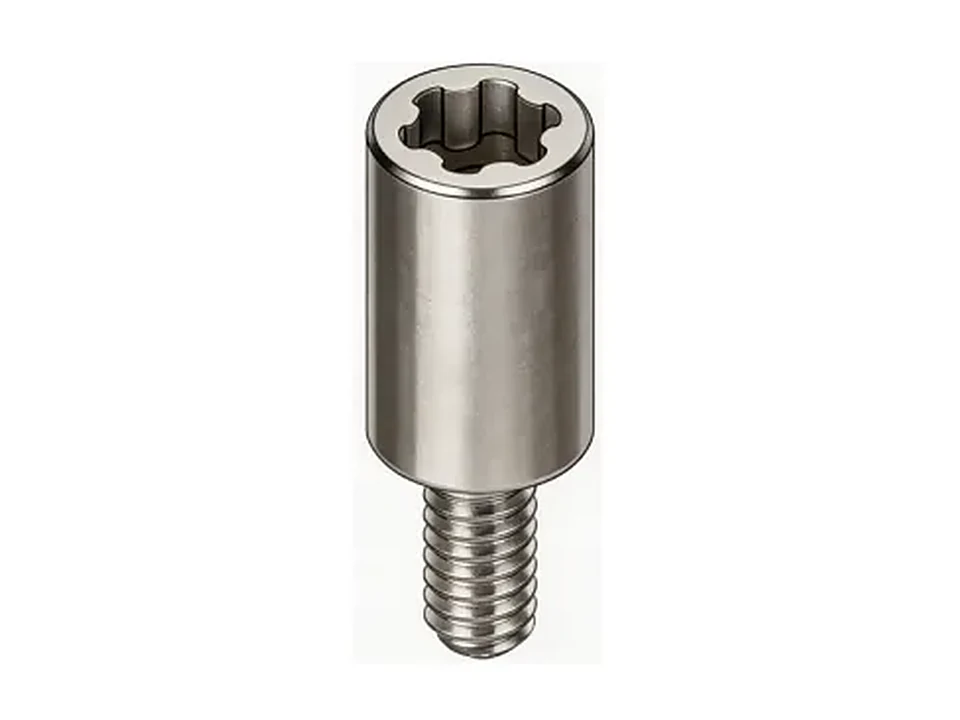
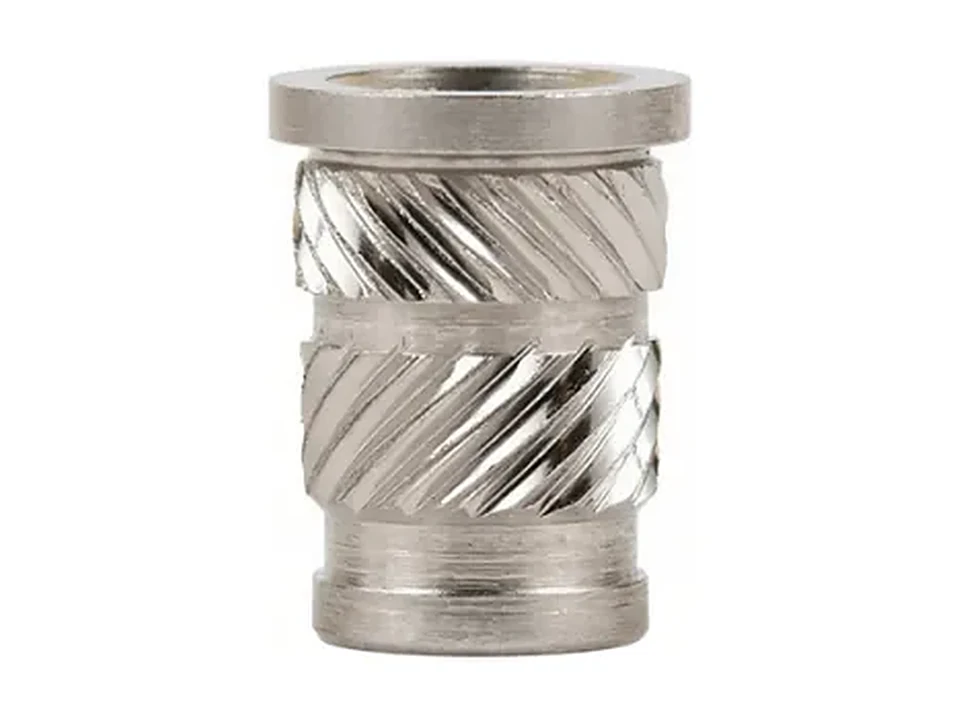
2 SKUsUsed in consumer electronics plastic parts to reinforce the threaded hole so the screw can be removed and reused. The handbook lists brass, stainless steel and titanium alloy; this page shows the aluminum alloy and copper inserts currently on sale, and other materials and sizes can be made to drawing.
Screws (anti-loosening, sealing, captive)
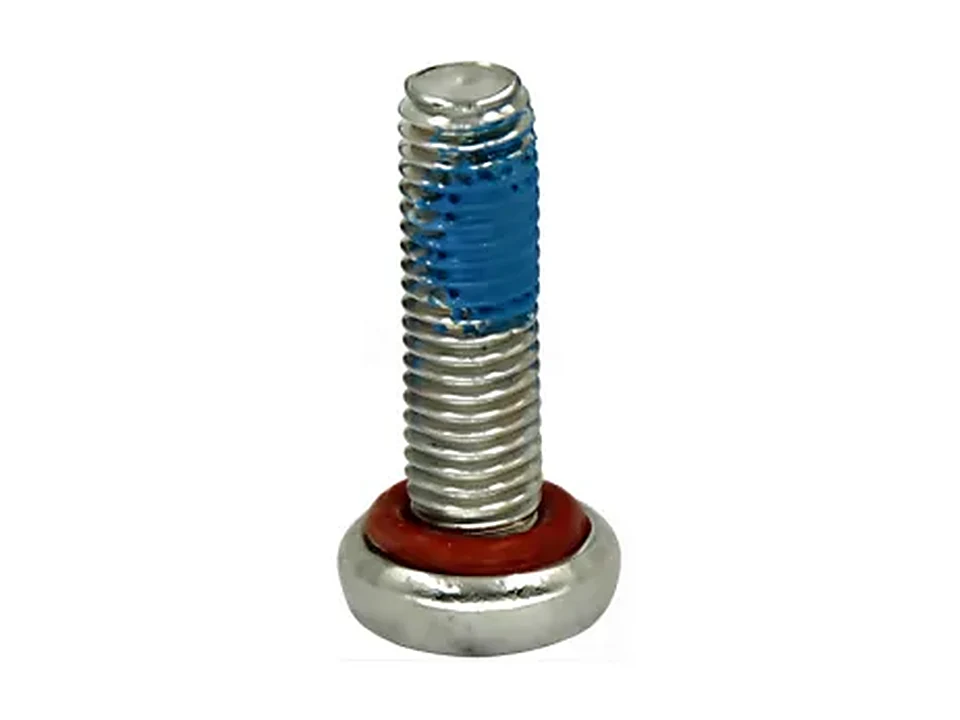
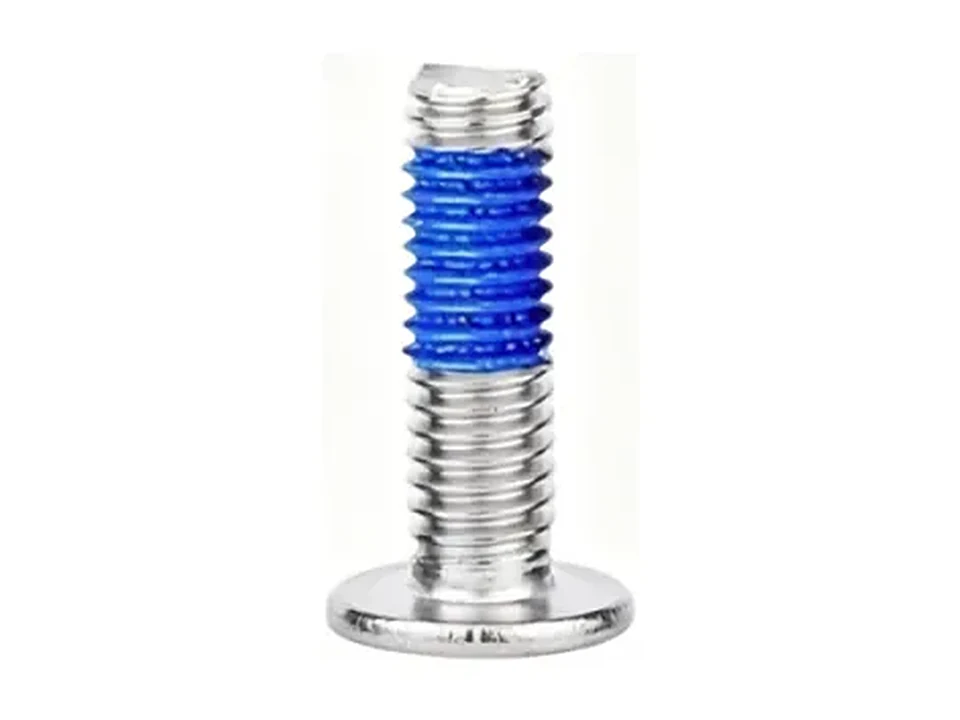
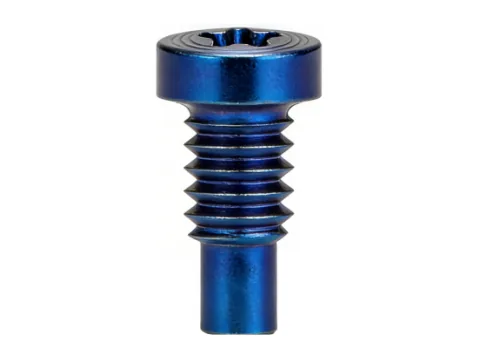
7 SKUsLocking is achieved with serrations under the head and pre-applied thread-locking adhesive (chemical or physical). Ultra-low head styles such as CD thread, JIS recess and Y recess can be produced. Pre-applied sealant under the head or on the thread plus an O-ring gives sealing up to IP68, and a captive design makes panel servicing easier.
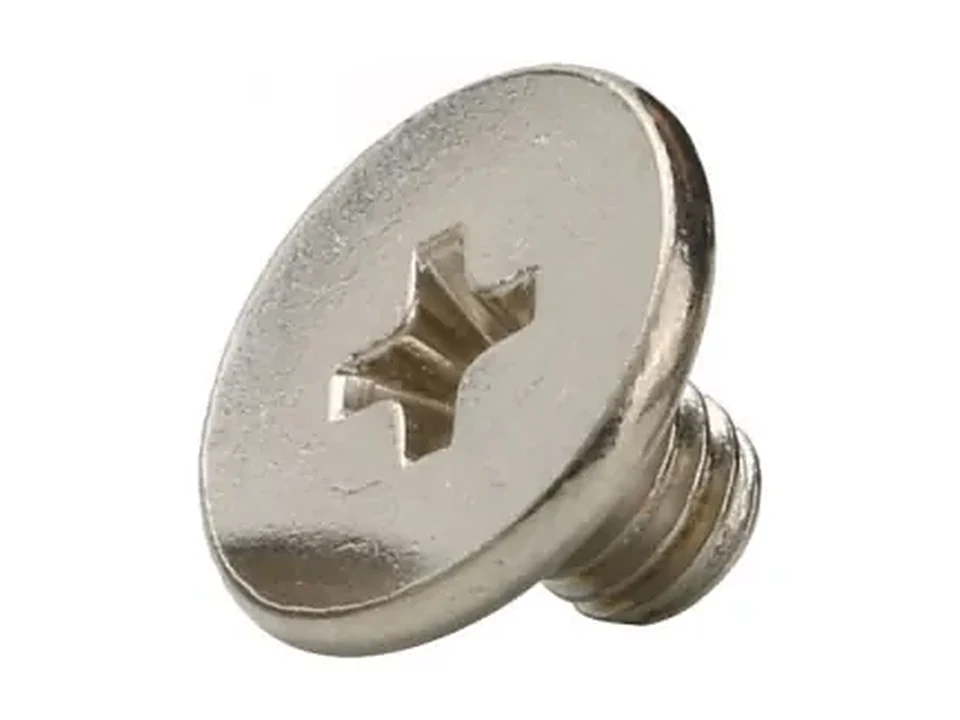
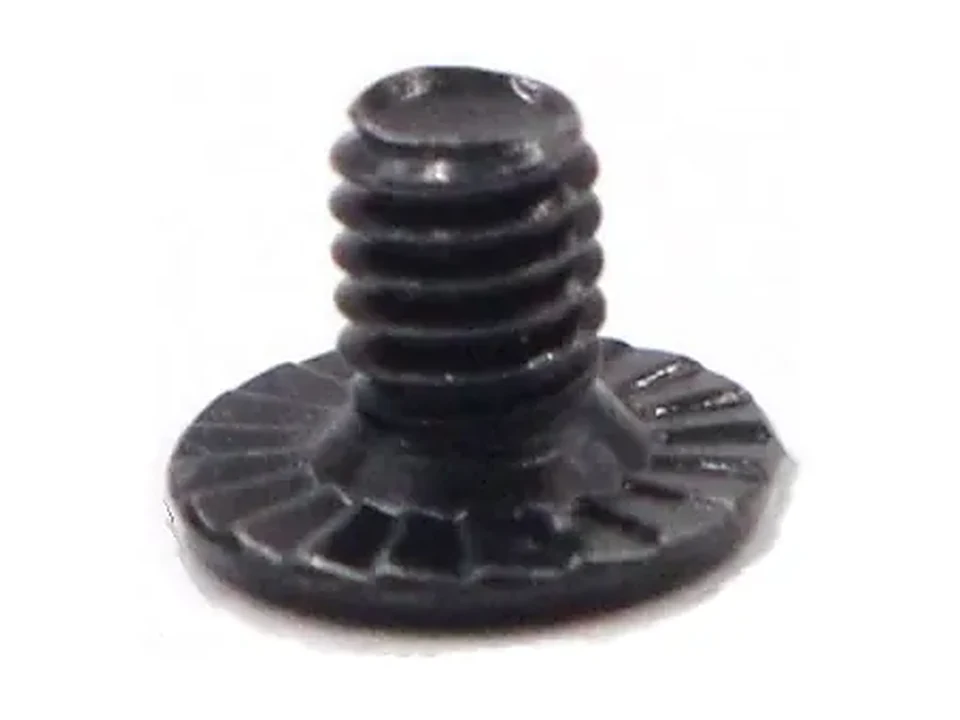
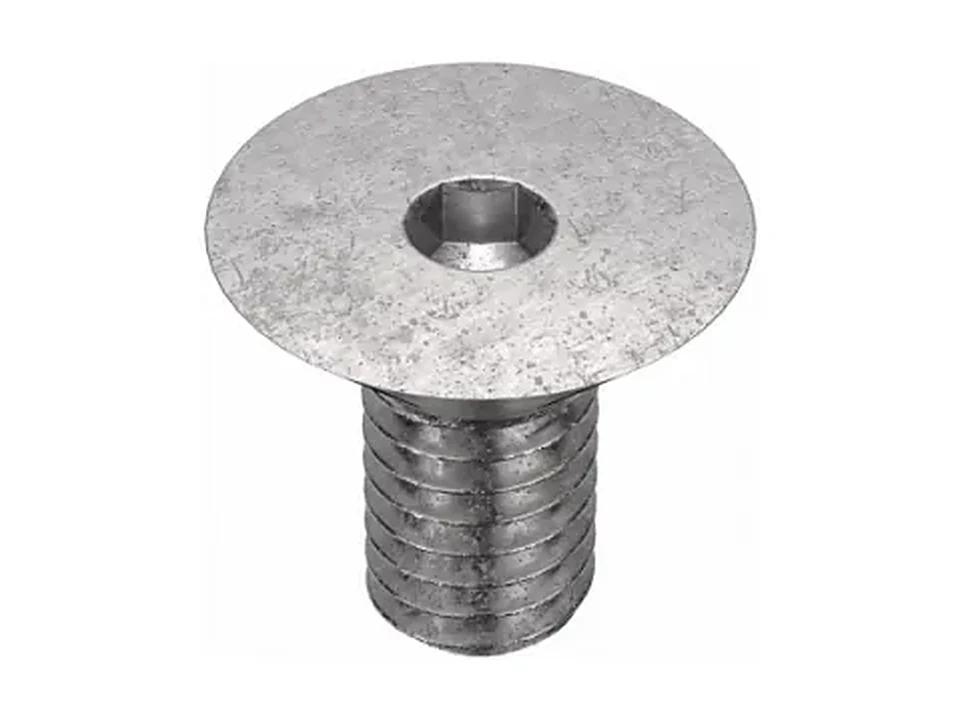
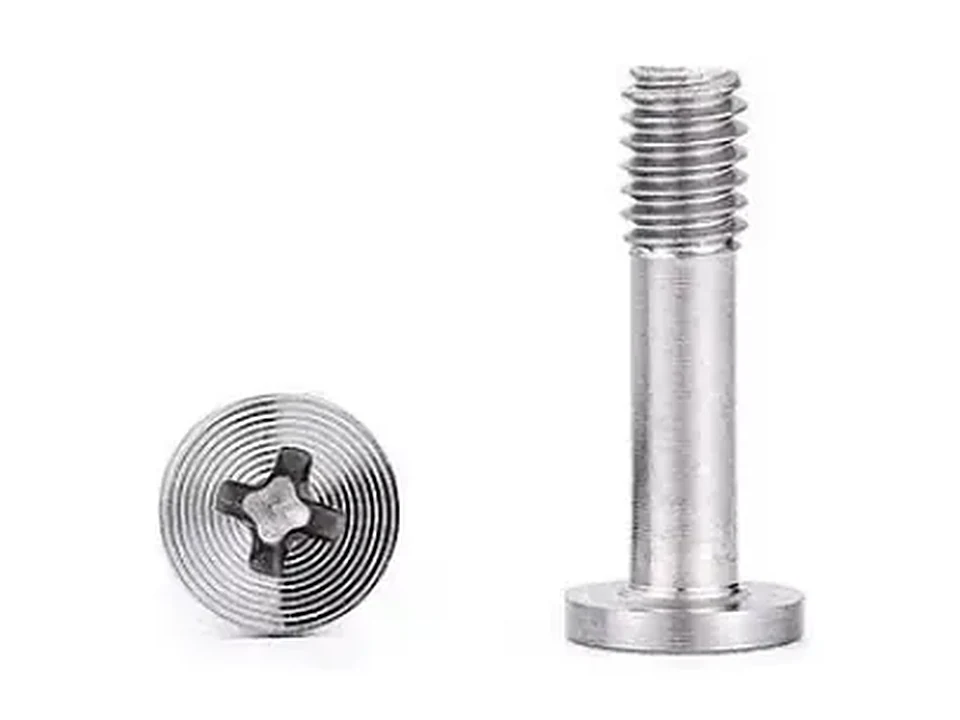
The four locations in consumer electronics that test fasteners most
The board, the plastic boss, thin sheet metal and the exposed face — four places with completely different constraints.
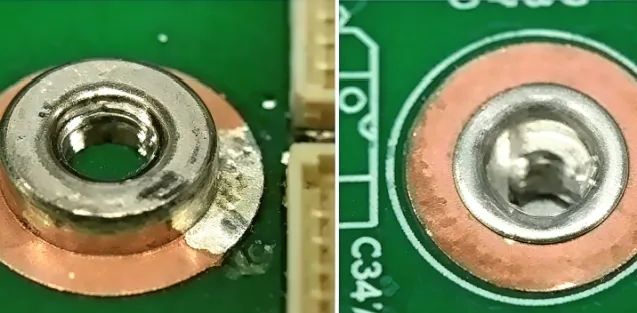
Main board and sub-board stack
Stacks with 1.2 mm and 1.4 mm board thickness commonly use inner-outer thread super screws: one part provides both the internal and the external thread and saves a redesign of the board; for a single thread point an SMT nut is enough.
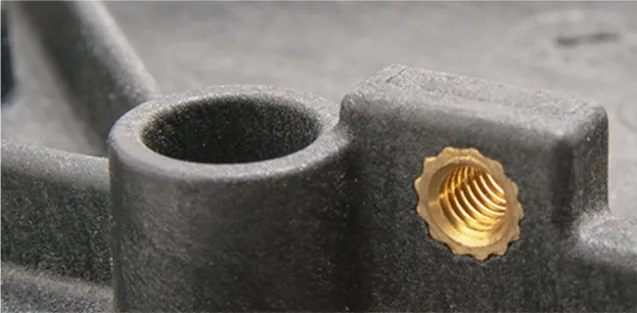
Plastic mid-frame and structural bosses
A boss that has to survive repeated assembly relies on an insert to move the thread into metal. Toothed inserts bite into the substrate and suit plastics, aluminum and magnesium; when the substrate is too hard the teeth will not bite and the tooling is damaged instead.
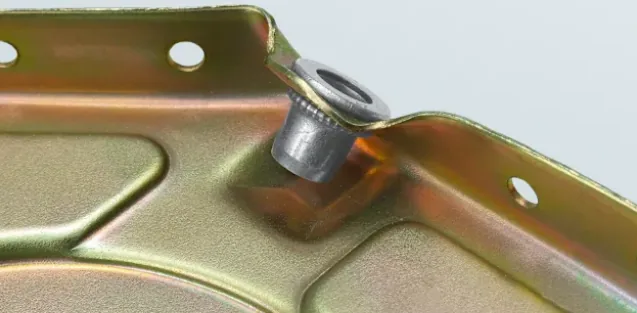
Shields and thin sheet metal
When clinching into thin sheet metal, a nut with nylon in its outside diameter locks by itself; where space is short, switch to an ultra-thin clinch nut — the price is a narrower clinching window that demands matched tooling.
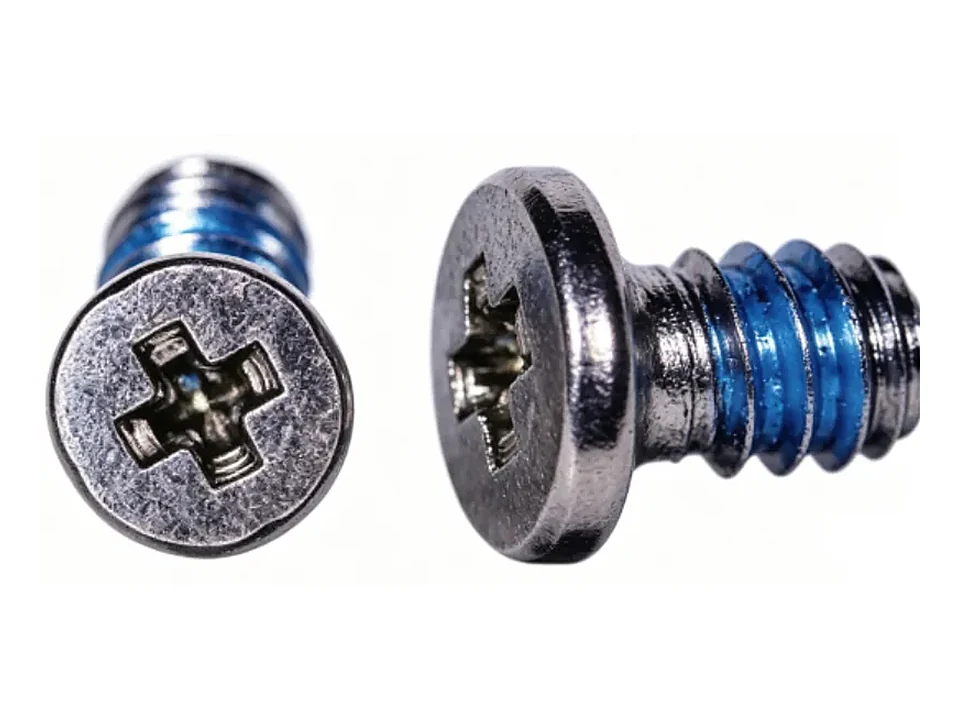
Exposed screws and decorative parts
Exposed parts must satisfy thin head, specified drive and cosmetic standard at the same time. PVD supplies color and wear resistance, CD texture supplies directional highlights, and acceptance needs a cosmetic limit sample rather than a line saying “no scratches”.
How to select fasteners for consumer electronics
Space first, life second, appearance last. Reverse the order and you will rework.
Structural space in consumer electronics is measured in fractions of a millimeter, which leaves fasteners very little room to work with. Only one decision sequence holds up: first establish how much space is left at the location (panel thickness, boss diameter, head height), then how many times it will be taken apart (which decides whether an insert is needed), and only then appearance and surface finish. The five sections below follow that order and draw on the Industry Handbook – Consumer Electronics and the data on this site's product pages.
Step one: how much thickness is left on the board
A thread on a PCB can only come from a soldered part. Board thicknesses of 1.2 mm and 1.4 mm are the two most common in consumer electronics; the matching inner-outer thread super screws are used for multilayer board stacks and board-to-sheet-metal joints. A single thread point is more space-efficient with an SMT nut; when components need clearance, use an SMT plate or a standoff block.
The deciding question here is whether the thread has to pass through the whole board. If it does, you need an inner-outer thread design; if not, an SMT nut is sufficient. Choose too large and you waste height; choose too small and the only fix is a board redesign.
- Single thread point, tightest space → small SMT nut
- Need to raise the face clear of components → SMT plate / standoff block
- Multilayer stack or board-to-sheet-metal bridge → inner-outer super screw
- Full reel straight onto the pick-and-place machine → tape-and-reel packaging
Step two: does the plastic boss need an insert?
The decision rests on reassembly count and torque requirement. Where the joint is assembled once at low torque, a thread formed in plastic still works; where it is opened repeatedly or a defined torque applies, an insert must move the thread into metal, otherwise the second assembly strips it.
Inserts are anchored in two ways. Toothed types press their teeth into the substrate and suit softer materials such as plastics, aluminum and magnesium; internal/external thread bushes lock structurally and suit higher loads or cases where pull-out must be prevented. There is a trap in the opposite direction: when the substrate is too hard (high-strength aluminum, cast iron), the teeth cannot bite, the tooling gets damaged and the part never seats properly — such cases should move to a wire thread insert solution.
Step three: matching head style and drive on an ultra-low head
The thinner the head, the smaller the cross-section the bit can grip, so a thin head needs a dedicated drive to restore torque transmission: CD thread, JIS recess and Y recess all fall into this class. The handbook lists the three side by side as producible ultra-low head styles; which one to use depends on the customer's bit system and line habits, not on picking whichever looks thinnest.
Another point that is often overlooked is the transition fillet under the head. If the fillet on a thin-head part is too tight, assembly stress concentrates there and, on cosmetic parts, shows up as cracked plating. It must be called out separately on the drawing; “per sample” is not enough.
Step four: combining clinching with locking
A clinch nut in thin sheet metal with nylon set into its outside diameter gains both locking and anti-pull-out behavior at once, which suits structures that are opened repeatedly, such as shields and mid-plates. Installation must use clinching equipment; hand hammering leaves the part unseated and shows up directly as insufficient push-out force.
When space runs out, switch to an ultra-thin clinch nut, but its clinching window is narrower: the tolerance bands for sheet thickness and hole diameter must be checked together — looking at only one of them causes problems in volume. The usual failure mode of ultra-thin parts is “not seated tight enough”, not “crushed”.
Step five: the four things acceptance must state
Appearance: supply a limit sample and state what is acceptable and what is not (grain direction, color deviation range, burr location) instead of unjudgeable wording such as “no scratches”. Dimensions: head thickness, head diameter and recess depth must be 100 % inspected or sampled at high frequency — these three decide whether the line can drive the screw at all.
Performance: torque (assembly torque and failure torque), insertion/withdrawal life (for inserts and clinch parts), sealing (for water-exposed locations) and salt spray (for plating, method per ISO 9227). The acceptance values should come from the assembled unit's operating conditions; we do not invent numbers on the customer's behalf — this has to be settled at the sampling stage to avoid disputes after volume production starts.
A total-cost optimisation partner from prototype design to after-sales
Six professional services cover selection, samples, validation and volume ramp-up, turning "will this screw work" into a verifiable engineering conclusion.

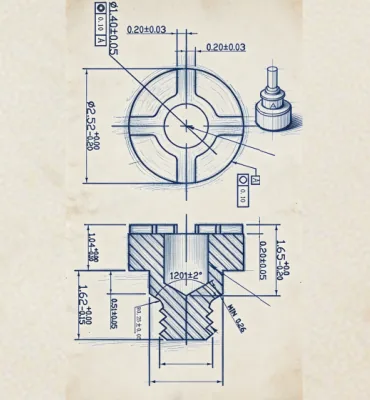
Fast engineering samples
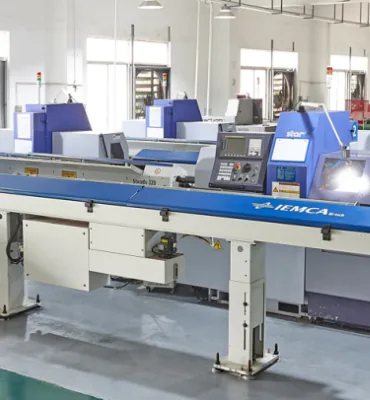
Professional training
Professional testing services

Professional design consulting
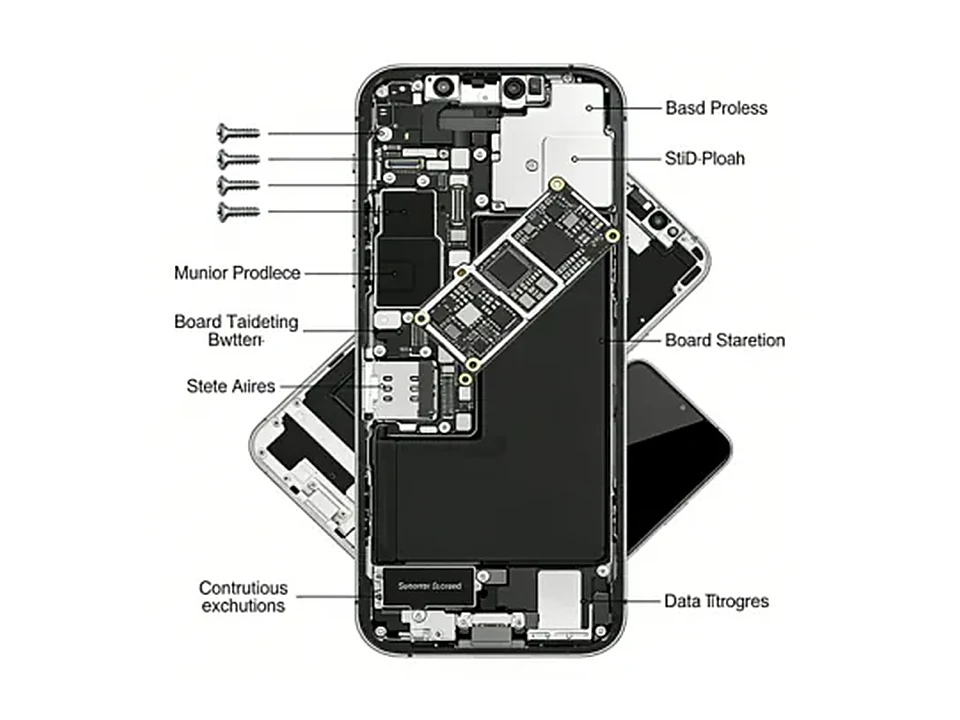
Continuous process optimisation
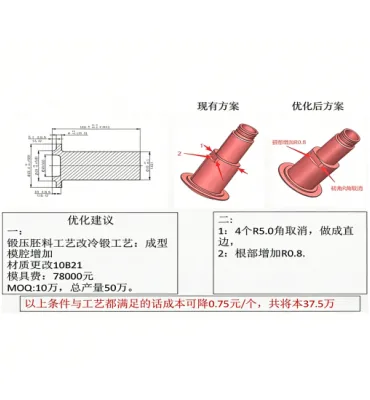
Professional teardown analysis
From stack-up drawing to volume delivery
Consumer electronics parts are small and volumes are large, so packaging and placement method must be fixed already at the sampling stage.
Stack-up and space review
Confirm sheet thickness, available height, boss diameter and reassembly count, and define the cosmetic surfaces and limit-sample requirements.
Selection and fit-check samples
We propose solutions along four lines — board level, plastic parts, sheet metal and cosmetic — and start with rapid engineering samples for a real fit check.
Performance and appearance validation
Torque, insertion/withdrawal life, sealing and salt spray; appearance is judged against the limit sample.
Packaging and line compatibility
Confirm that tape-and-reel packaging matches the pick-and-place feeder, and that tooling and cycle time are settled for clinch parts.
Volume production and continuous optimization
We optimize the process from batch data and carry out professional teardown analysis on abnormal parts to locate the failure step.
Common questions on consumer electronics fastening
Does a plastic boss always need an insert?
How do I choose the insert material?
Do ultra-low heads cam out easily?
What gives a nylon-insert clinch nut its locking effect?
How do you write a cosmetic acceptance standard that can actually be applied?
Which part to use at a water-exposed location?
Other industries under “Industry Solutions”
Continue below
Send the stack-up drawing and cosmetic requirements, and we will propose a solution based on the space available
Send the sheet thickness, available height, boss diameter, reassembly count and cosmetic limit-sample requirements, and we will give selection advice along the four process lines plus samples for a real fit check.