
Fastening solutions for the low-altitude economy|Drone / eVTOL airframeComposites / Battery bay / Equipment rack
Two contradictions cannot be avoided in low-altitude aircraft structures: the airframe is carbon-fibre laminate, where one hole cuts a bundle of fibres, while the vibration from motors, propeller hubs and landing gear demands joints that stay tight over the long term. This page is organised around the four joining processes in the Industry Handbook – Low-Altitude Economy; every size links to a product page for dimensions and material.

If the airframe cannot be drilled, bond the thread on
Fasteners for low-altitude aircraft do not start with a size; they start with deciding which joining method the material allows. Each point below cites a source you can verify.
Drilling a carbon-fibre airframe cuts fibres; bonding is the hole-free route
Carbon-fibre laminate is strong but brittle: tapping it directly tends to crack the laminate and the thread strength is insufficient, and the hole edge becomes a stress raiser — every hole weakens the load-bearing section at that point. The non-destructive route in the handbook is composite bonding: the bonded plate is dimensioned to the required joint strength and designed for low weight, and the shank-to-panel joint is chosen according to the strength needed.
The adhesive layer also isolates galvanic corrosion
Carbon fibre in contact with metal forms a galvanic couple, and wherever an electrolyte is present the metal on the anodic side corrodes first. Bonded structures have a second function here: the adhesive layer separates the metal insert from the carbon fibre and interrupts the galvanic path. In coastal, high-humidity or spray-wash conditions this is easier to overlook than strength itself.
Vibration is normal; locking comes from the lead angle, not from tightening harder
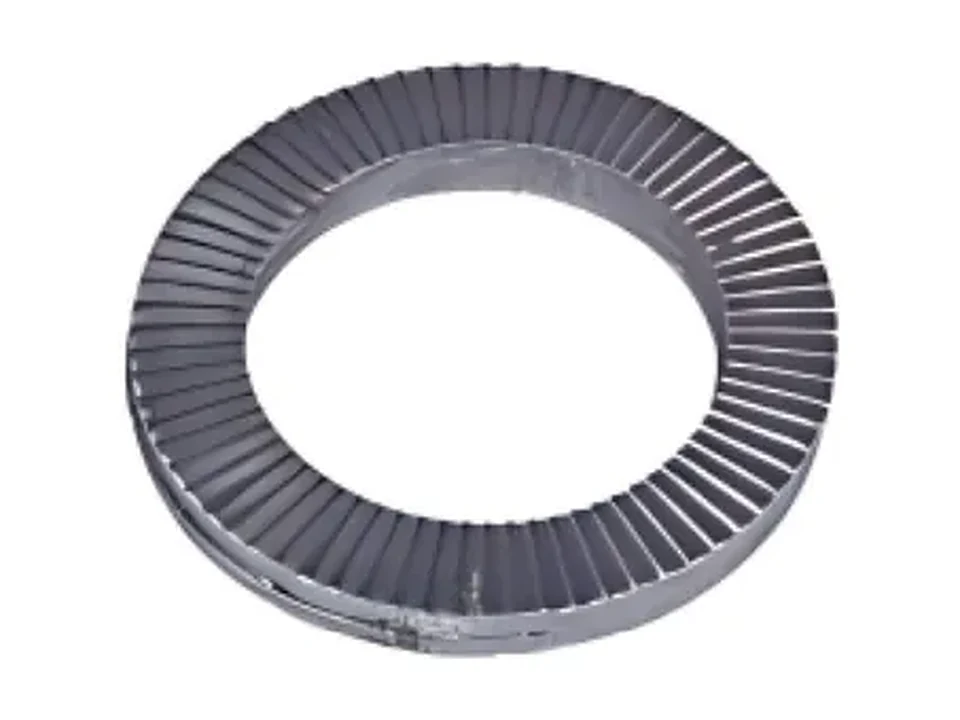
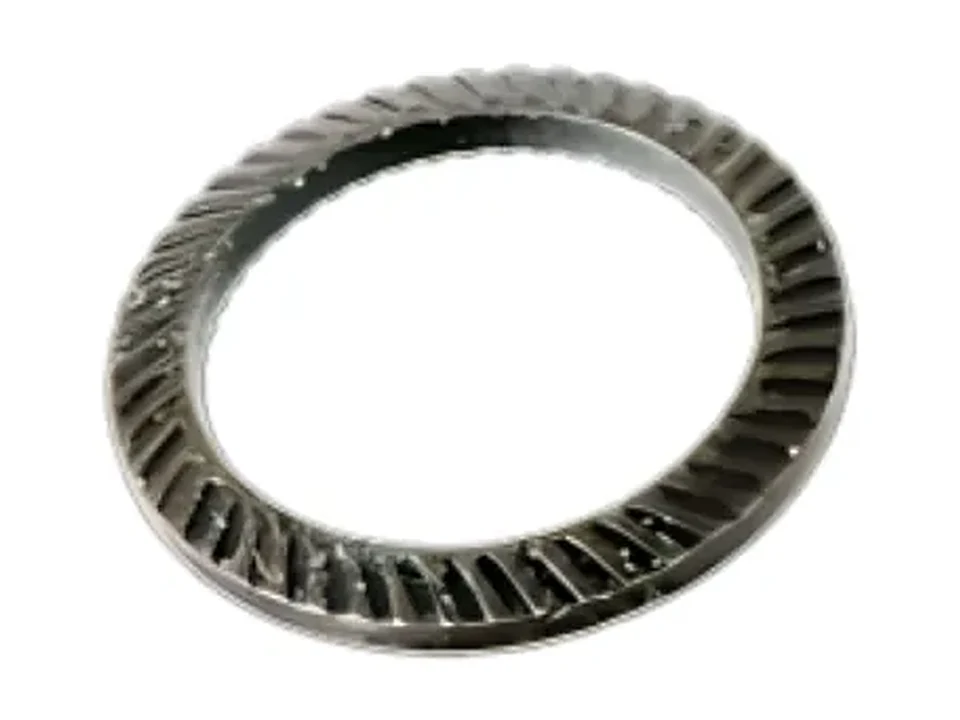
Double-layer locking washers use the principle that the lead angle of the contact between the two washer faces exceeds the thread lead angle, so removal torque is greater than installation torque; they serve locations with high transverse vibration load. Single-sided serrated conical locking washers serve vibration locations under alternating load, compensating clearance and increasing friction on the contact face. Neither relies on higher preload to stay tight, so neither sacrifices the base material.
Battery and equipment bays stay watertight through the seal design, not through tightening harder
The handbook gives two routes. The first uses sealed clinch studs, adhesive-coated blind rivet nuts and adhesive-coated blind rivets in sheet-metal structures that must be watertight, reaching IP68. The second applies adhesive under the screw head or on the thread, or adds an O-ring, which also reaches IP68. The risk is not in the part itself but in the consistency of installation torque.
Maintenance covers must open quickly and leave no loose parts behind
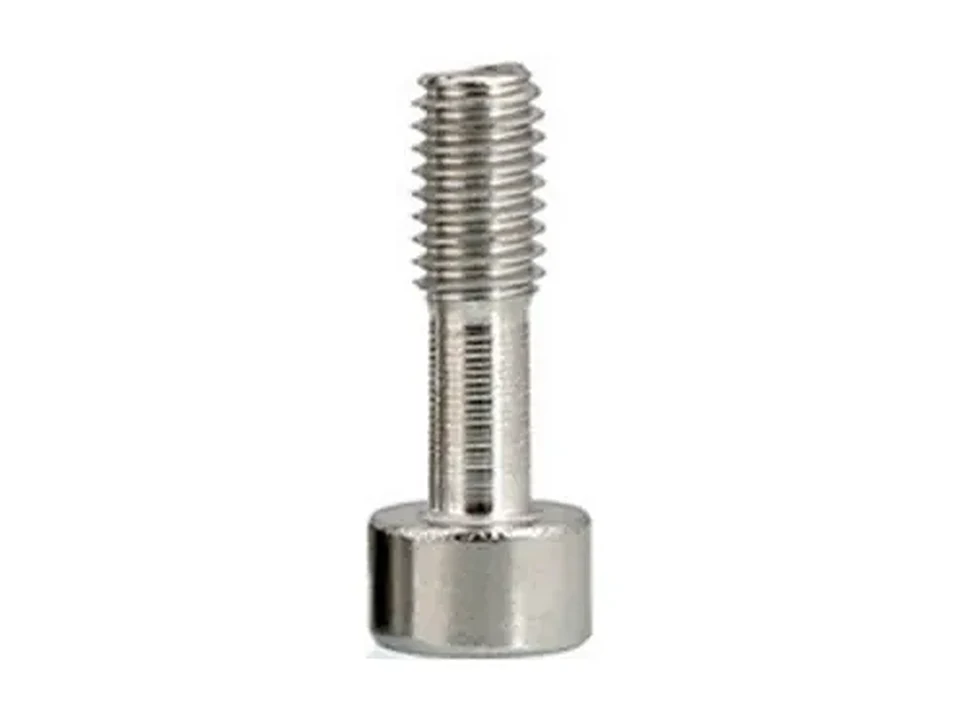
Access covers and inspection panels on a low-altitude aircraft are opened far more often than structural parts. Captive screws stay in the panel after removal, so small parts neither drop into the bay nor get lost. Flat-head rivets suit sheet-metal parts with flatness requirements, and clinch grounding terminals serve grounding connections in sheet metal.
All sizes, grouped by the four joining processes
Each card leads directly to the product page; head style, drive, material, coating and packaging are as stated there. For bonded and sealed types we recommend taking samples for trial fitting and air-tightness verification before the drawing is finalised.
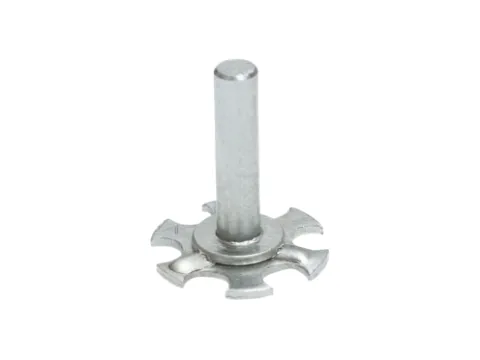
Composite bonding
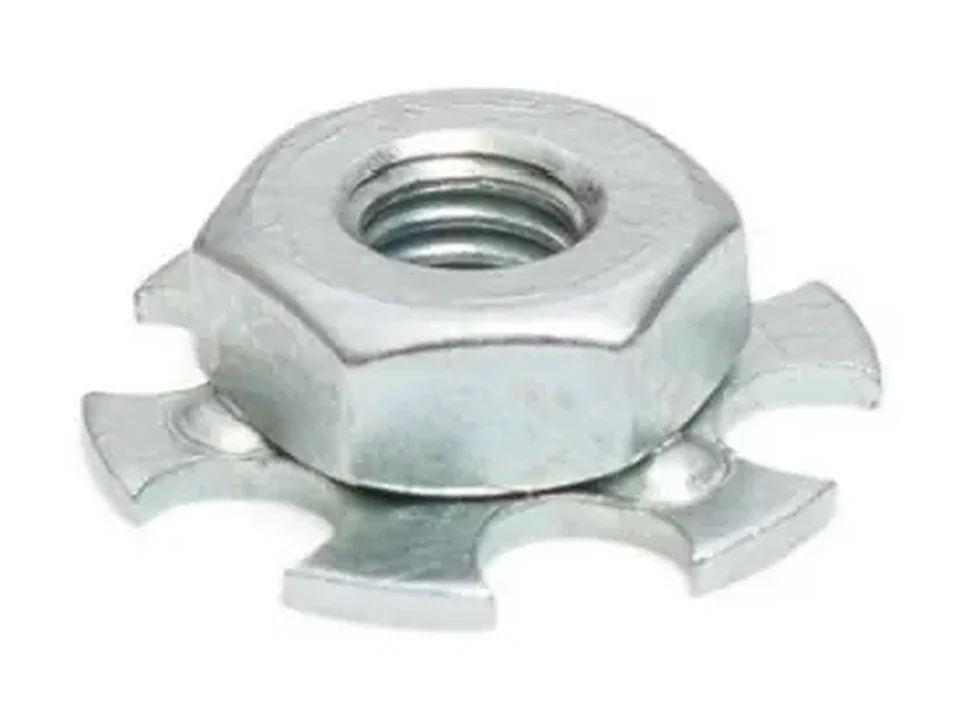
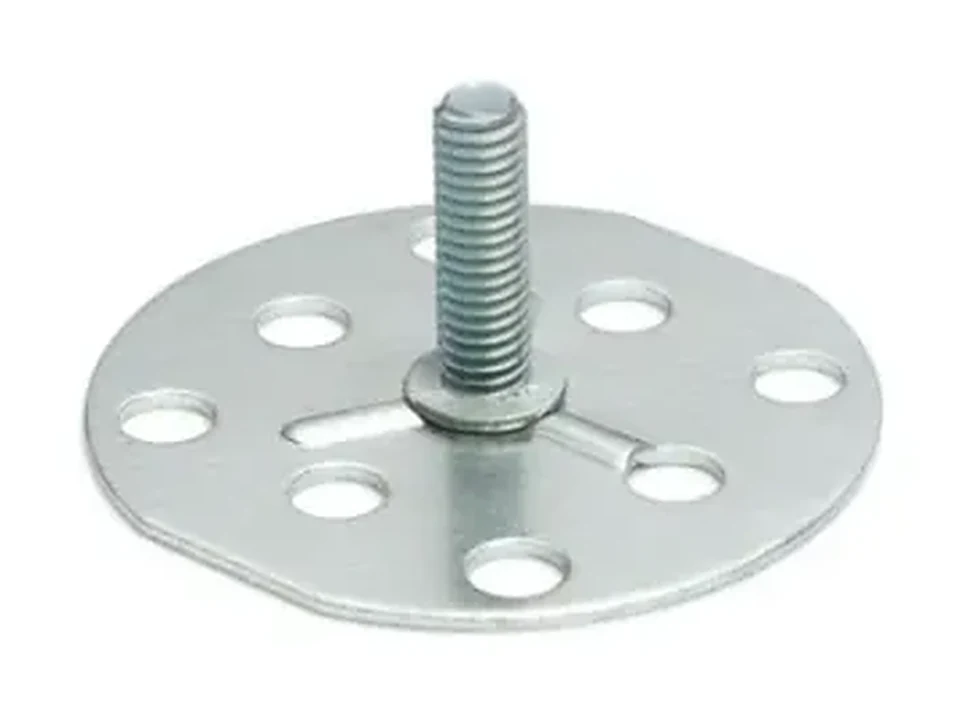
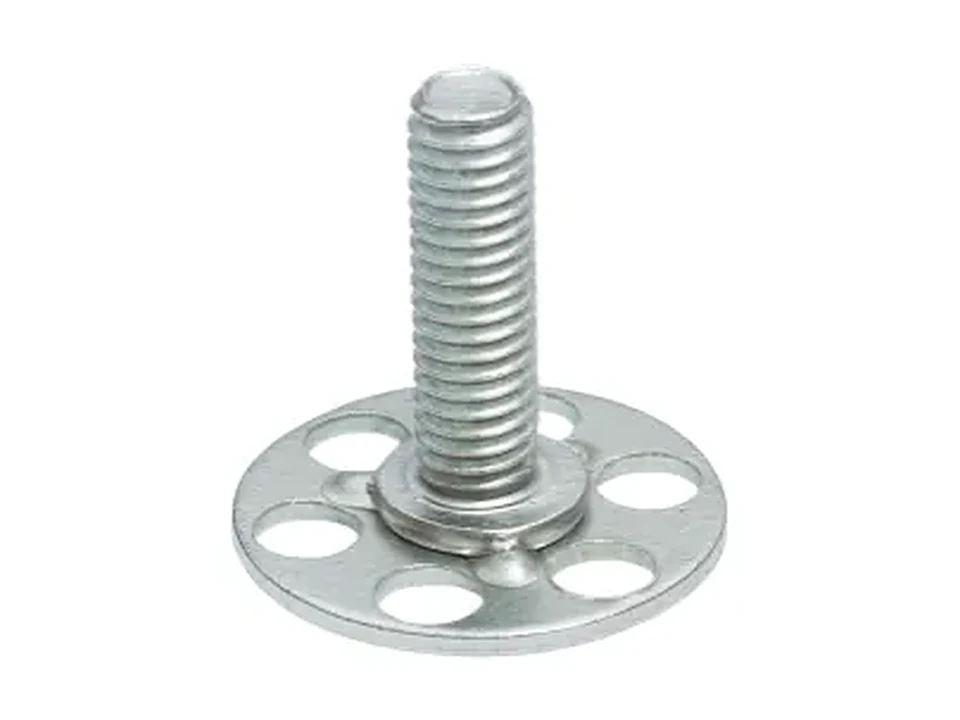
5 SKUsHigh-strength, hole-free joints that preserve the strength of the composite. The bonded plate may be dimensioned to the required joint strength and designed for low weight, and the shank-to-panel joint is selected according to the strength needed. Suited to carbon-fibre laminate airframes, arms and equipment mounting points.
Riveting - clinch and blind rivet (sealed and unsealed)
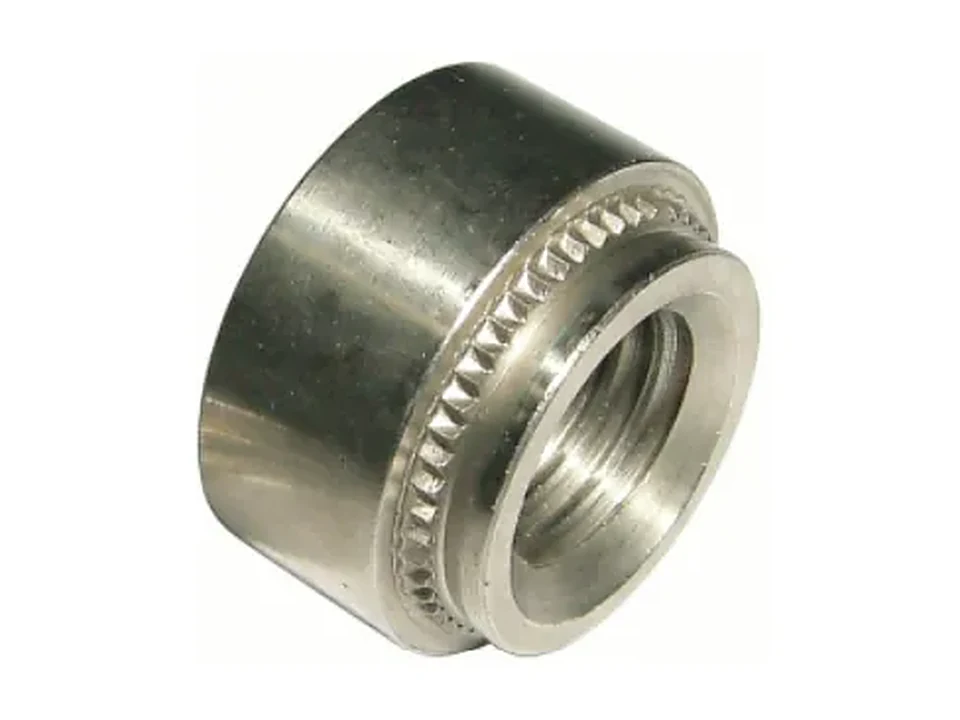
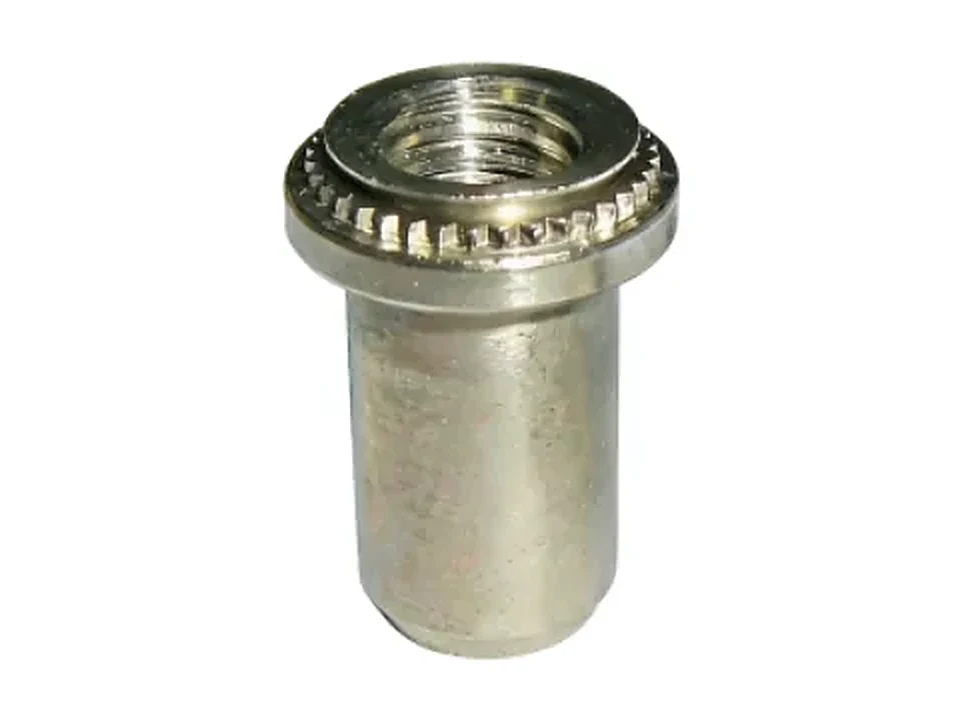
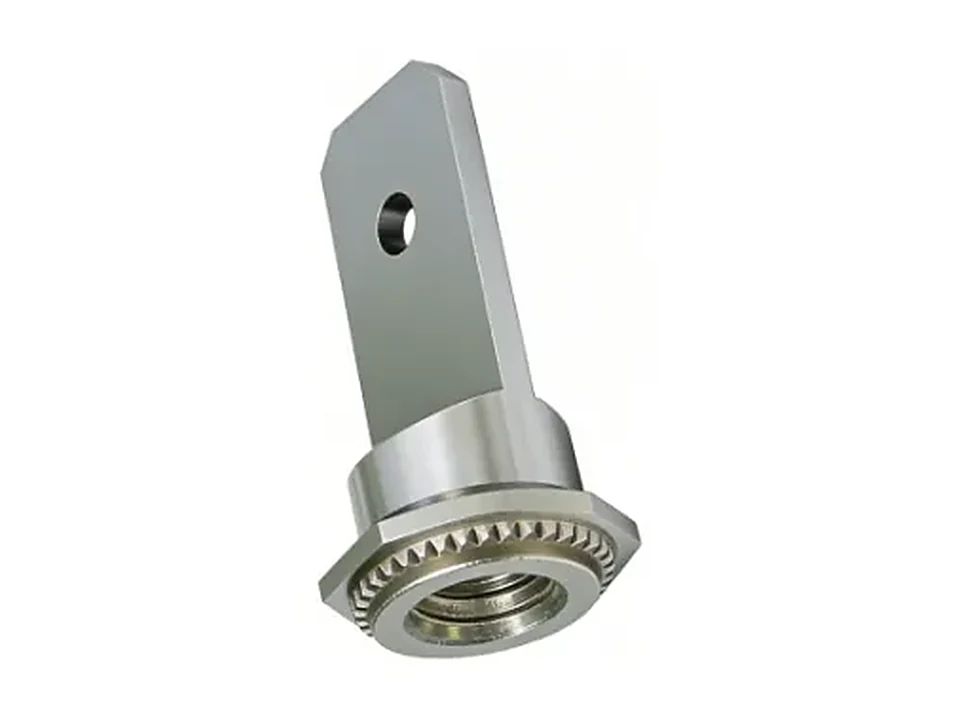
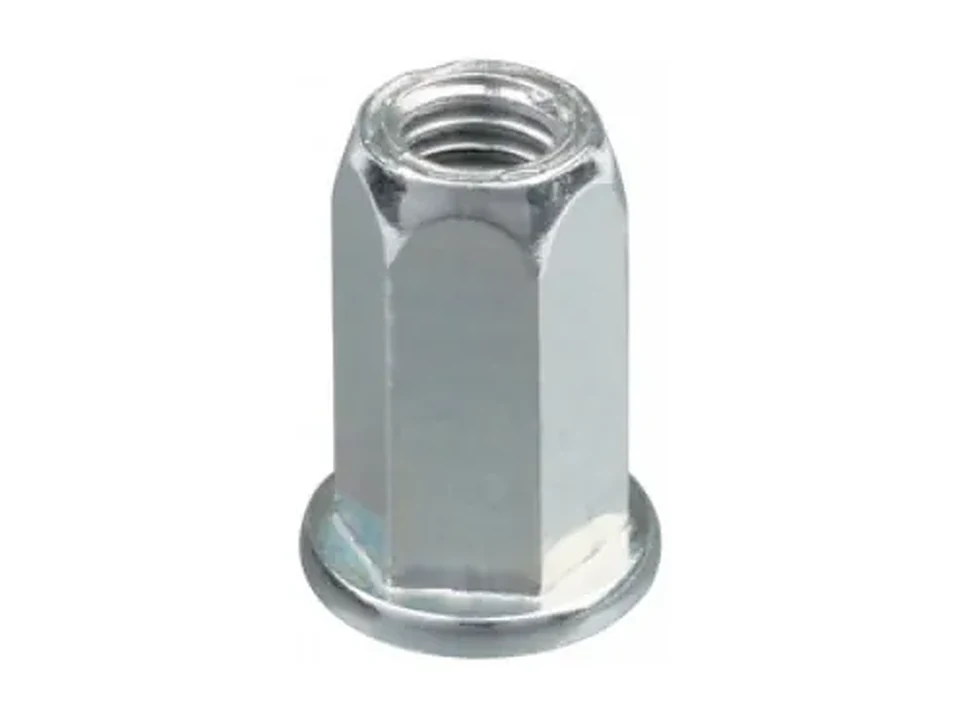
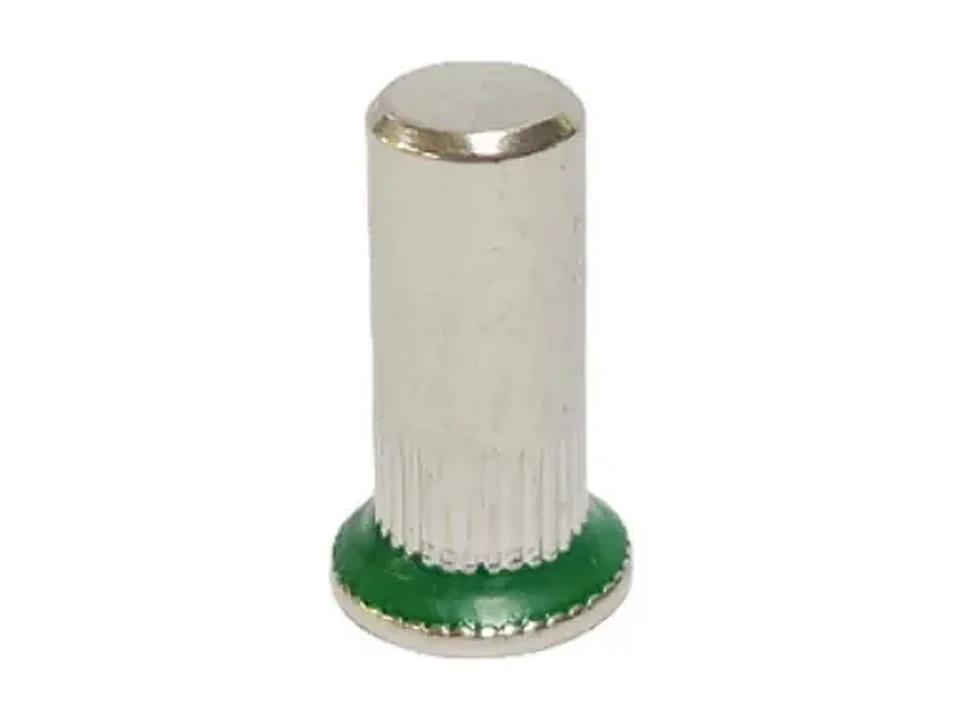
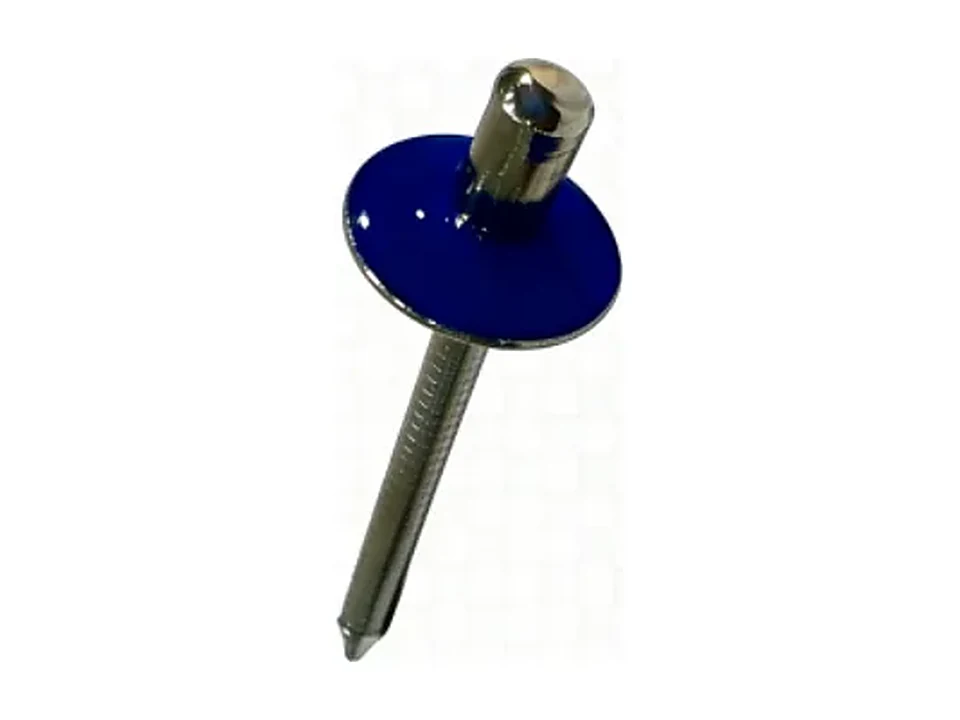
7 SKUsClinch nuts and studs, blind rivet nuts and blind rivets handle fastening in sheet-metal structures, while clinch grounding terminals handle grounding connections in sheet metal. Sealed clinch studs, adhesive-coated blind rivet nuts and adhesive-coated blind rivets serve sheet-metal structures that must be watertight, reaching IP68. Flat-head rivets are used where flatness requirements are tight.
Locking washers
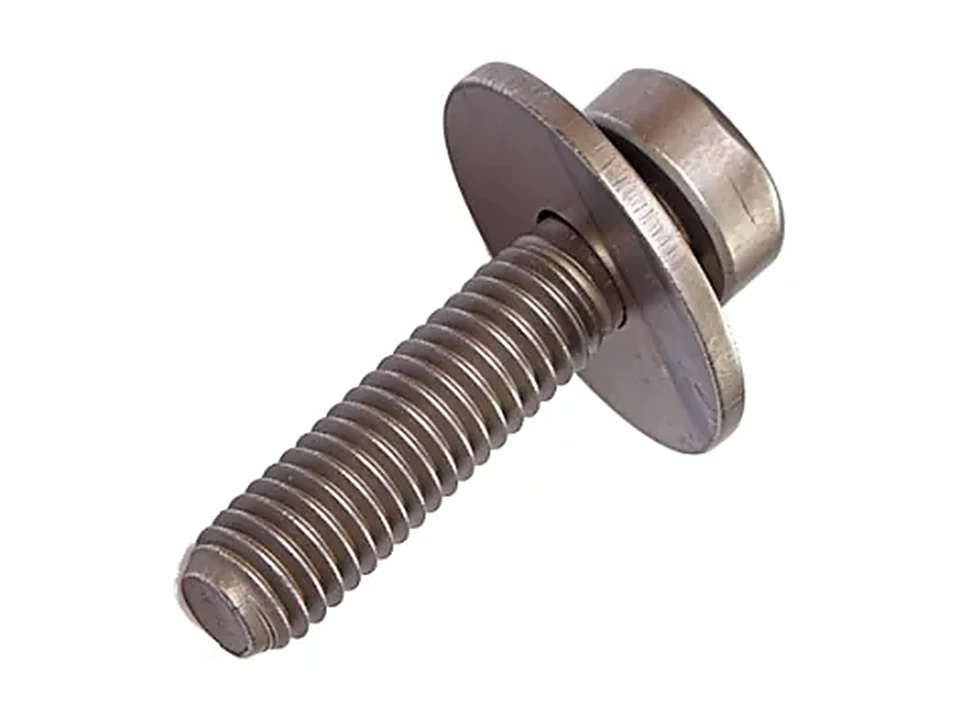
3 SKUsDouble-layer locking washers are used where transverse vibration load is high: the lead angle of the contact between the two washer faces exceeds the thread lead angle, so removal torque is greater than installation torque. Single-sided serrated conical locking washers are used under alternating load, compensating clearance and increasing friction on the contact face.
Screws - locking, sealing, captive and similar
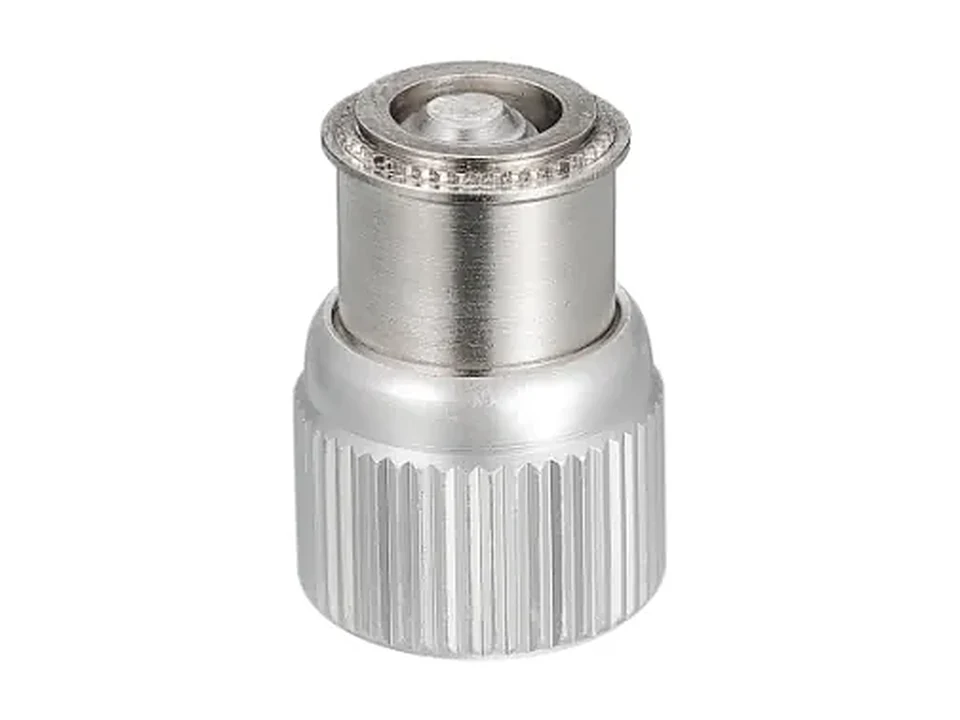
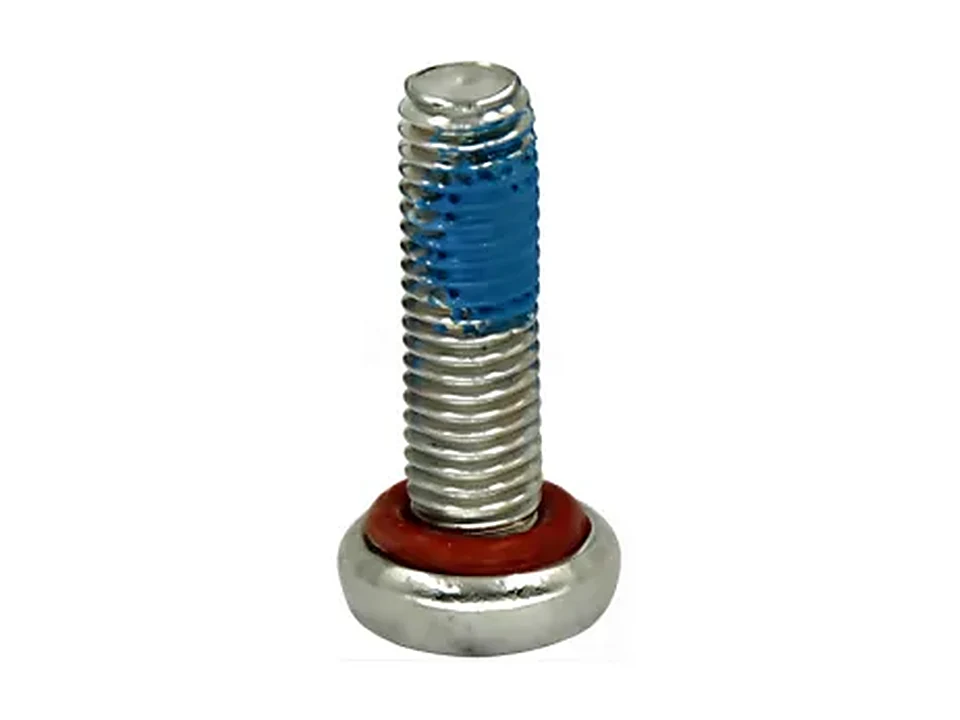
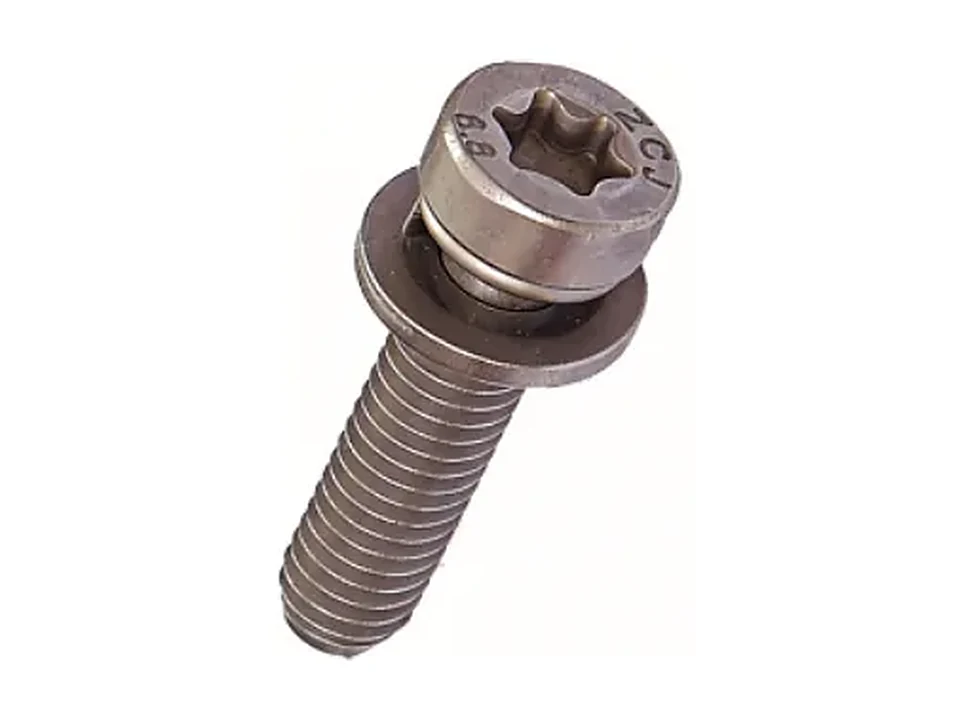
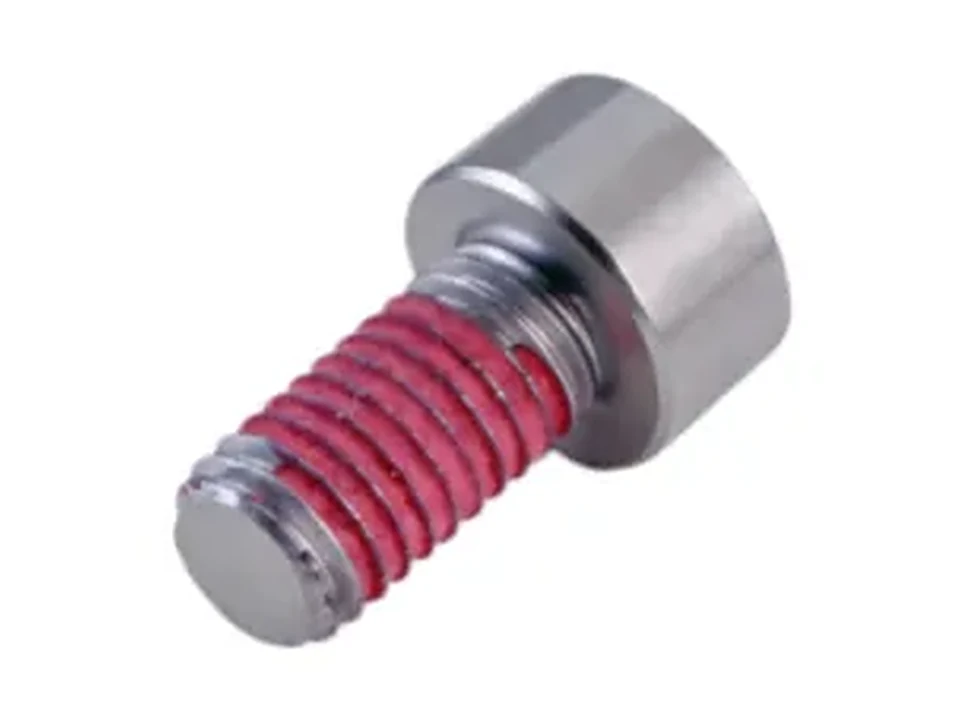
5 SKUsBolts stay tight through the assembly design plus a pre-applied threadlocking adhesive (chemical and mechanical). Sealing is achieved by adhesive pre-applied under the head or on the thread, or by an added O-ring, up to IP68. Captive screws stay in the panel after removal, which simplifies work on access covers and inspection panels.
The four locations that test fasteners hardest on a low-altitude aircraft
Airframe, battery bay, power unit, equipment rack — four locations with entirely different materials and duty conditions, so one selection cannot cover them all.
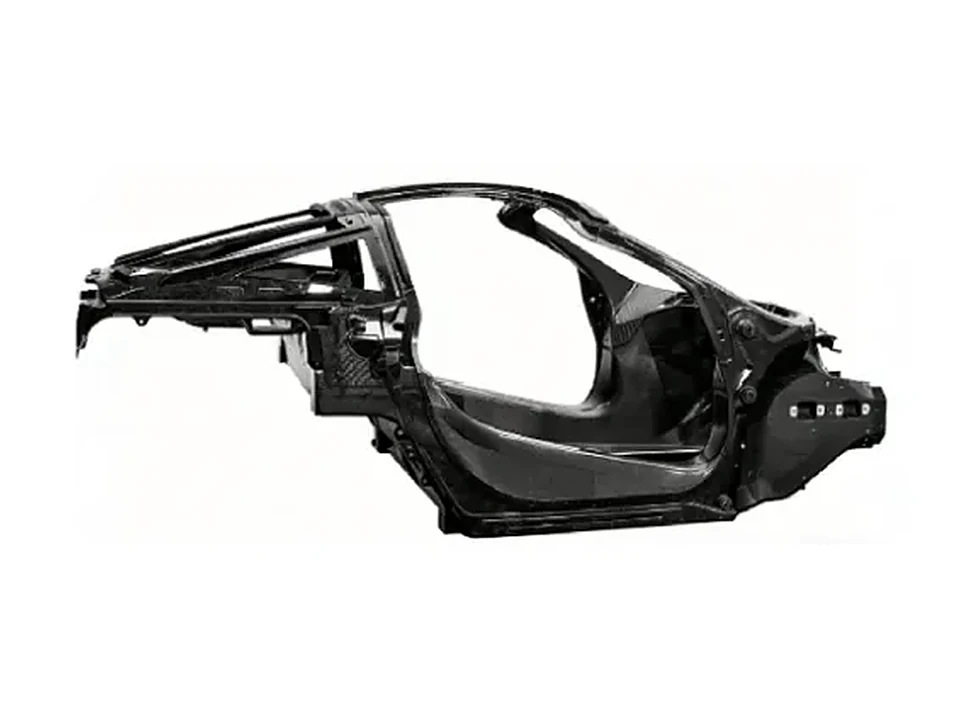
Arm-to-airframe joints
Carbon-fibre laminate should not be drilled and tapped. Bonded studs or bonded nuts transfer the thread to a metal insert; the bonded plate is dimensioned to the joint strength, and the adhesive layer also blocks galvanic corrosion between carbon fibre and metal.
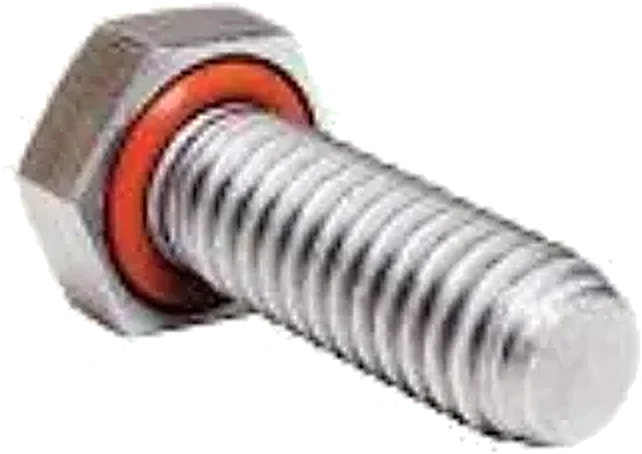
Battery bay and equipment bay sealing
For sheet-metal or composite bays that must be watertight, use sealed clinch studs together with adhesive-coated blind rivet nuts and rivets, or adhesive pre-applied under the screw head / on the thread plus an O-ring, reaching IP68. Whether it works depends on torque consistency.
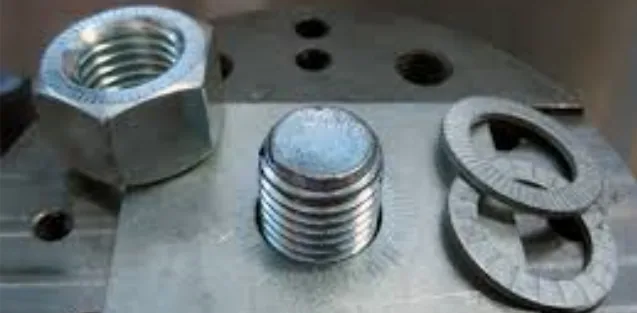
Motors, propeller hubs and landing gear
These locations carry continuous vibration and alternating load. Use double-layer locking washers (lead-angle principle) or single-sided serrated conical locking washers (clearance compensation), or a pre-applied threadlocking adhesive for chemical locking.
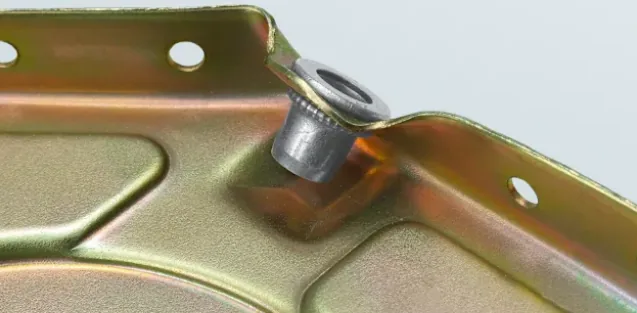
Equipment racks and maintenance covers
Sheet-metal equipment racks take clinch nuts or studs together with grounding terminals; where flatness matters, use flat-head rivets. Access covers take captive screws, which stay in place after removal and reduce the risk of foreign objects inside the bay.
Selection logic for low-altitude economy fasteners
First what the material allows, then vibration, then sealing and maintenance. Get the order wrong and everything downstream is rework.
The structure of a low-altitude aircraft differs from both automotive and consumer electronics: the airframe relies heavily on carbon-fibre laminate, where every hole cuts a bundle of fibres; the power unit brings continuous vibration; and the battery bay has to stay watertight. That means the first step in selection is not reading a dimension table, but deciding which joining method the material allows. The five sections below follow that order, based on the Industry Handbook – Low-Altitude Economy and on our carbon-fibre, locking and sealing product pages.
Step 1: can this material be drilled?
Carbon-fibre composites are strong but brittle: direct tapping tends to crack them and leaves insufficient thread strength, and the hole edge becomes a stress raiser. The default route for composite parts is therefore hole-free: bond the metal insert to the laminate and let the insert provide the metal thread.
Locations that can be drilled are usually metal fittings, sheet-metal equipment racks or machined mounting seats. Only these call for clinching, blind riveting or threaded fastening. Reverse the order of judgement and the usual consequence is thickening the whole composite panel just to fit one screw — weight and cost rise together.
- Carbon-fibre laminate, honeycomb sandwich → bonded types (hole-free)
- Sheet-metal equipment racks, metal mounting seats → clinching / blind riveting
- Access covers opened repeatedly → captive screws + clinch nuts
- Sheet-metal parts with flatness requirements → flat-head rivets
Step 2: what a bonded joint has to specify
The handbook wording: the bonded plate may be dimensioned to the required joint strength and designed for low weight, and the shank-to-panel joint is chosen according to the strength needed. Put into drawing language, three variables are fixed together: bonded area (set by pull-out / shear load), insert type (nut, stud, pin), and the way the shank is joined to the panel.
One variable is often overlooked: the adhesive layer itself. It is both the load-bearing surface and the barrier between carbon fibre and metal — without that barrier, the galvanic couple will attack the metal side first wherever an electrolyte is present. In coastal, high-humidity or spray-wash conditions, the continuity of the adhesive layer and the curing process therefore belong in the technical agreement, not just the phrase 'bonded securely'.
Step 3: which locking method for vibration locations
Vibration in a low-altitude aircraft comes from the motors, the propeller hubs and aerodynamic turbulence, at high frequency and over long periods. The handbook gives two washer routes. Double-layer locking washers are used where transverse vibration load is high: the lead angle of the contact between the two washer faces exceeds the thread lead angle, so removal torque is greater than installation torque. Single-sided serrated conical locking washers are used under alternating load, compensating clearance and increasing friction on the contact face.
Where the structure does not allow a washer (countersunk, or restricted space), go to chemical locking with a pre-applied threadlocking adhesive. Note that both routes address loosening, not fatigue. If the failure is a fractured bolt rather than back-out, the cause lies in preload and stiffness matching, and changing the locking part will not help.
Step 4: sealing split by whether the joint is opened
Non-removable or rarely opened locations (bay structures, structural parts) use sealed clinch studs, adhesive-coated blind rivet nuts and adhesive-coated blind rivets, with the seal built into the part, so assembly needs no extra operation. Removable locations (access covers, inspection panels) use adhesive pre-applied under the screw head or on the thread, or an added O-ring, so sealing is restored after maintenance reassembly.
The handbook specifies IP68. One caveat: IP68 is a combined rating of 'dust-tight, level 6' plus 'continuous immersion', and the actual immersion depth and duration are defined by the product standard (see IEC 60529 / ISO 20653). At acceptance, state the conditions required by the complete aircraft — not merely the three characters 'IP68'.
Step 5: the four sets of data that acceptance must state
Mechanics: pull-out and shear for bonded parts; push-out and pull-out force for clinched and blind-riveted parts; installation torque and failure torque for threaded parts. Sealing: air-tightness or immersion verification to the agreed IP rating, with pressure, duration and acceptance criterion recorded. Environment: neutral salt spray to ISO 9227 for coatings, and for composite parts additional attention to how the adhesive layer retains strength after damp heat.
Vibration: the spectrum is specified from the duty conditions of the complete aircraft. Sine or random vibration standards (such as IEC 60068-2-6 / GB/T 2423.10) serve as the method, and the pass criterion is 'how much torque decay after the test', not 'does it stay tight'. We do not settle these figures on the customer's behalf — they have to be derived from the load spectrum and safety factor of the complete aircraft. This point must be cleared at the prototyping stage, so that it does not turn into a dispute after series production starts.
A total-cost optimisation partner from prototype design to after-sales
Six professional services cover selection, samples, validation and volume ramp-up, turning "will this screw work" into a verifiable engineering conclusion.

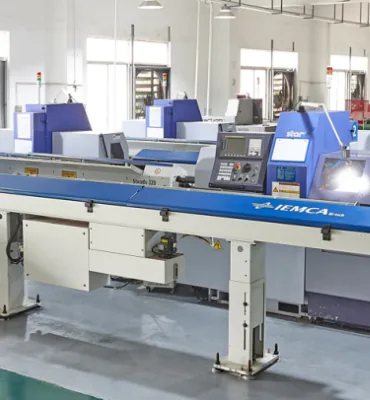
Fast engineering samples
Professional training
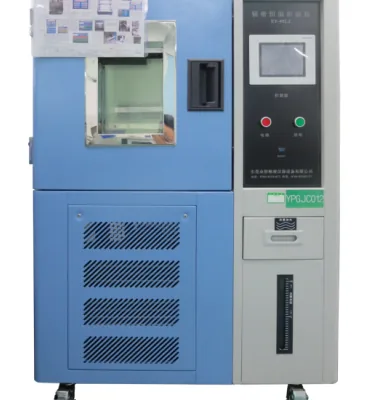
Professional testing services
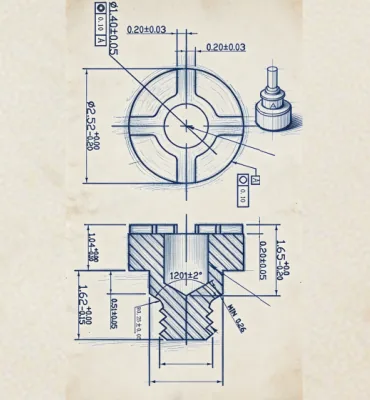
Professional design consulting
Continuous process optimisation
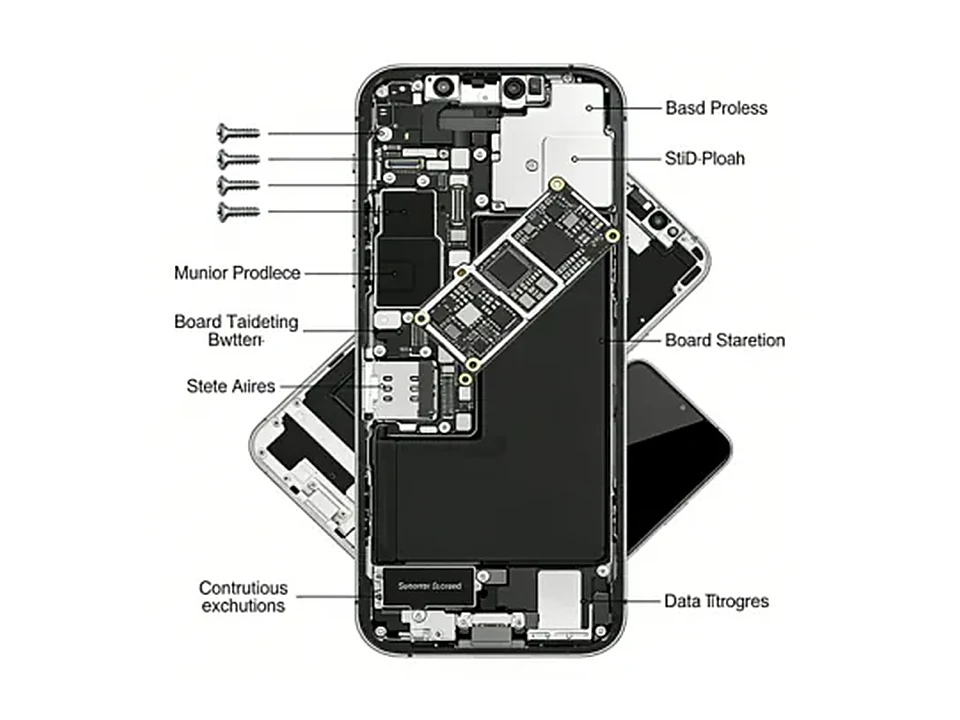
Professional teardown analysis
From structural drawing to installed delivery
Low-altitude projects usually run small volumes with fast model iteration, so samples and processes have to keep pace with drawing changes.
Structure and material confirmation
Confirm the substrate (composite / sheet metal / machined), the sheet thickness, the available space and the load case at each joint, and mark the locations where drilling is not permitted.
Joining method and selection
We propose along four lines: hole-free bonding, clinching and blind riveting, threaded fastening, and locking. Rapid engineering samples come first, for trial fitting.
Performance and environmental validation
Pull-out and push-out force, torque, IP sealing, salt spray and vibration — method and acceptance criterion per the requirements of the complete aircraft.
Installation and process freeze
Confirm the clinching tooling, the adhesive curing parameters and the assembly torque window, and establish working conditions that can be reproduced.
Small-batch delivery and continuous optimisation
Process optimisation based on batch data, plus professional teardown analysis of failed parts to locate the stage at fault.
Frequently asked questions on low-altitude fastening
Can a carbon-fibre airframe be tapped directly?
What guarantees the strength of a bonded joint?
Which parts achieve IP68 in a battery bay?
Screws near the motors keep loosening - what can be done?
Access-cover screws get lost once removed - is there a solution?
Many models, small batches - can you support prototyping?
Other industries under “Industry Solutions”
Continue below
Send us the structural drawing and the duty conditions; we start by deciding whether drilling is allowed
Send us the substrate, sheet thickness, load case at the joint and the sealing requirement. We will propose a joining solution and matched samples along the four process lines, with acceptance criteria that can actually be applied.