
Industrial electronics fastener solutions|Board-level SMT / cabinet rivetingDie-cast inserts / anti-loosening sealing
Connection points in industrial electronics fall into three levels: at board level a reliable thread must be created on a 1.4 mm board, at cabinet level structure and grounding must be solved together in sheet metal, and at device level thread stripping and sealing must be solved on die-cast housings. The failure modes of the three levels are entirely different, and so are the parts used. Following the chapter order of the Industrial Electronics Industry Handbook, this page groups all specifications by process, and every card links directly to the product page for parameter verification.

Board, cabinet and device level each have their own set of solutions
The most common misjudgement in industrial electronics is using a cabinet-level part to solve a board-level problem. Each item below cites a verifiable source.
Board-level threads cannot be tapped, only soldered
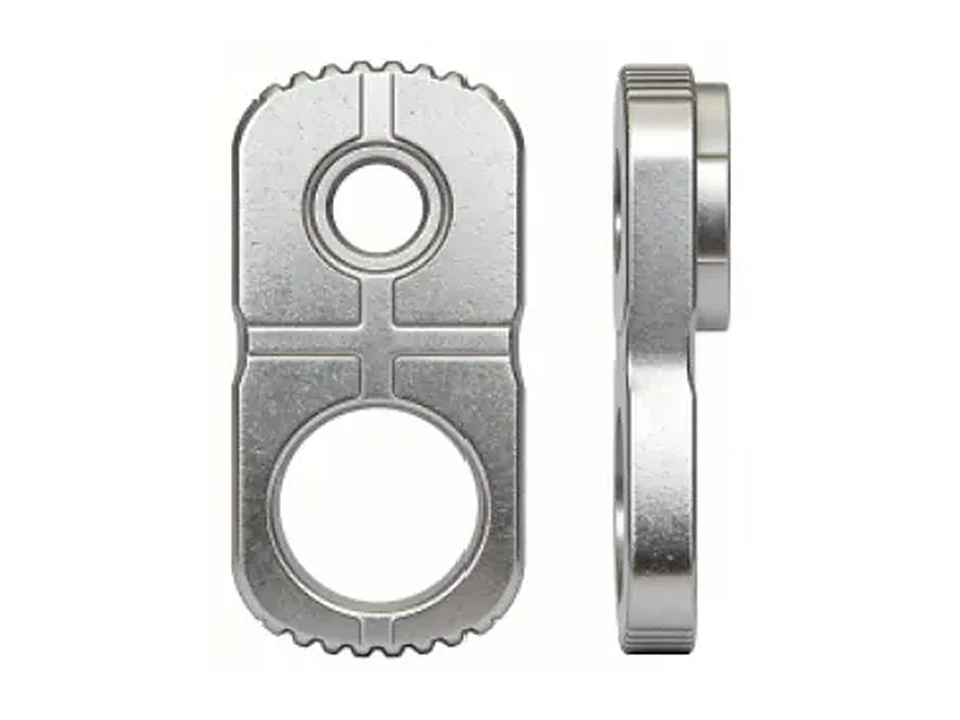
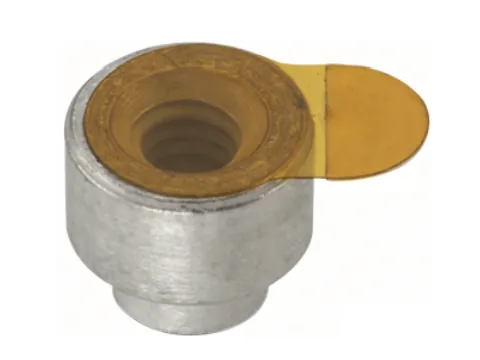
A PCB is a laminate of epoxy resin and glass fibre; tapping it neither produces thread strength nor avoids cracking the board. Only one path is viable: solder a metal nut or plate onto the pad so the metal part provides the thread. Tin-plated copper nuts and surface-mount plates both take this path, the plate can also act as a standoff, and tape-and-reel packaging runs directly on pick-and-place machines.
Bridging multilayer boards and board-to-sheet-metal relies on inner-outer super screws
Once multilayer boards are stacked, an ordinary surface-mount nut can only serve the top layer. An inner-outer super screw provides internal and external thread at once, tying the multilayer board and the sheet metal together. The value of such a part is not in its unit price but in avoiding one structural board redesign.
In a cabinet, structure and grounding are two different part sets
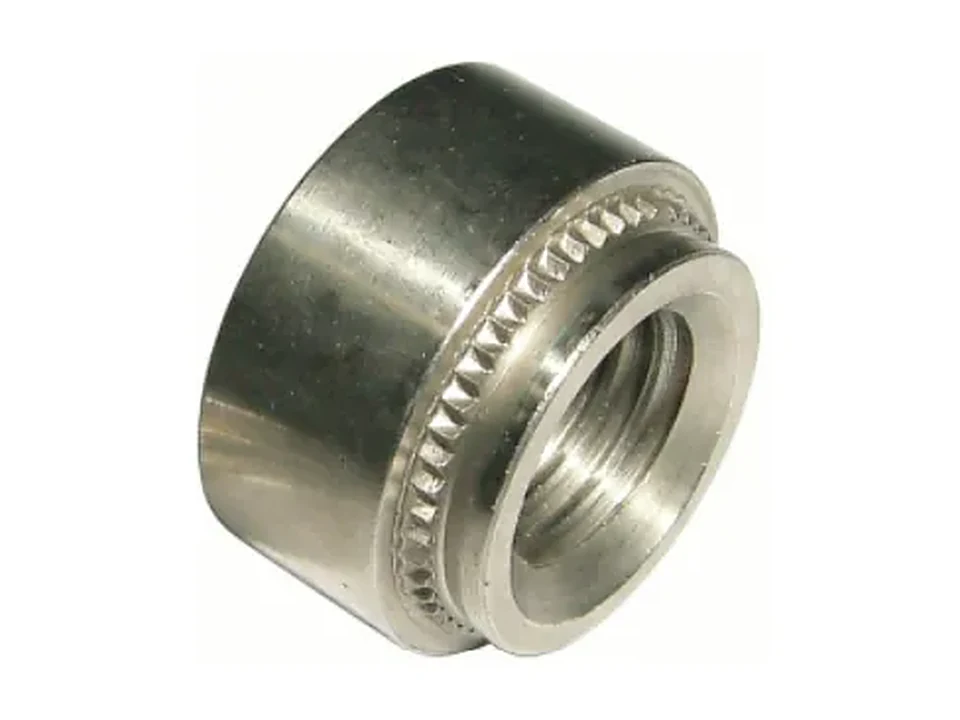
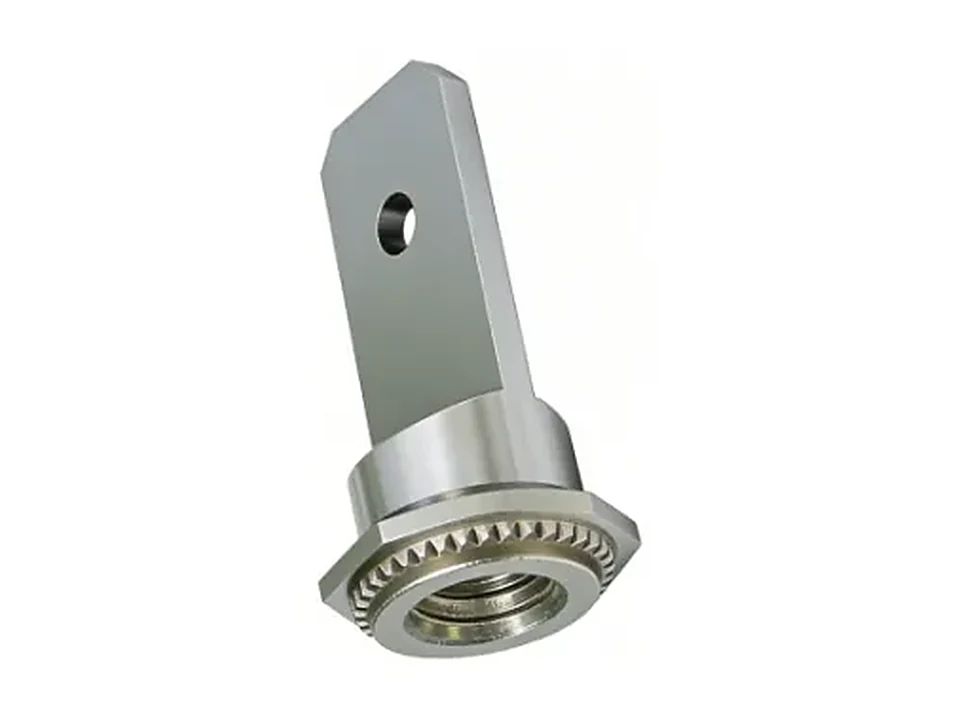
Clinch nuts and clinch studs solve structural fastening; grounding needs a dedicated clinch grounding terminal that reliably connects sheet metal to the grounding conductor. The two are often merged into one line item, pressing a few nuts, and the result is grounding impedance failing acceptance. Cabinets with tight flatness requirements should also use flat head rivets so the head does not protrude and press against the panel.
Watertight cabinets are sealed by pre-coated parts, not by tightening force
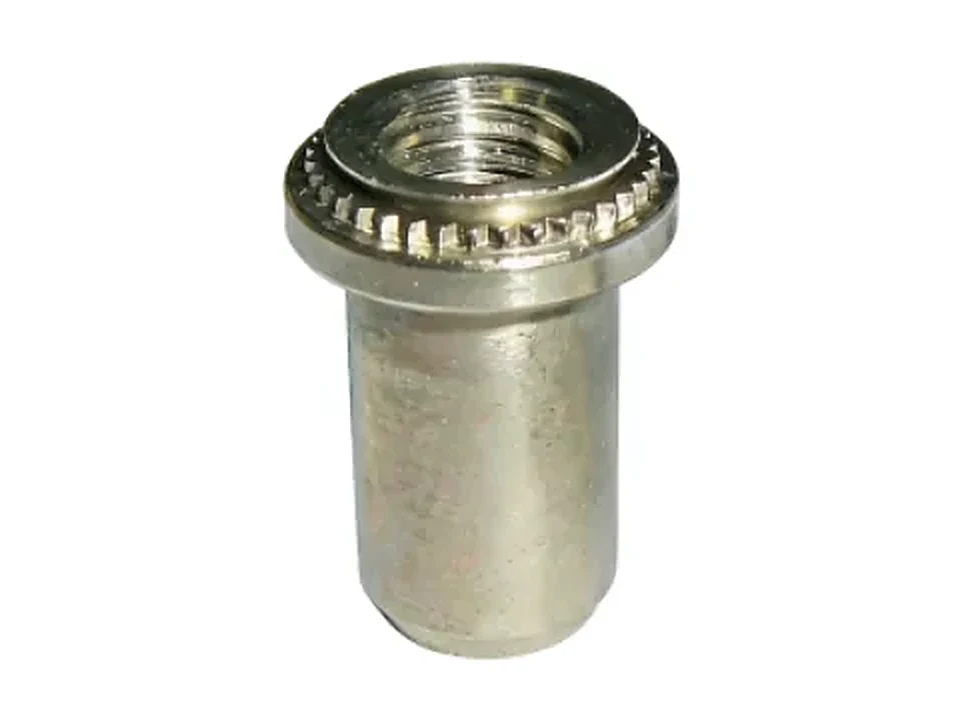
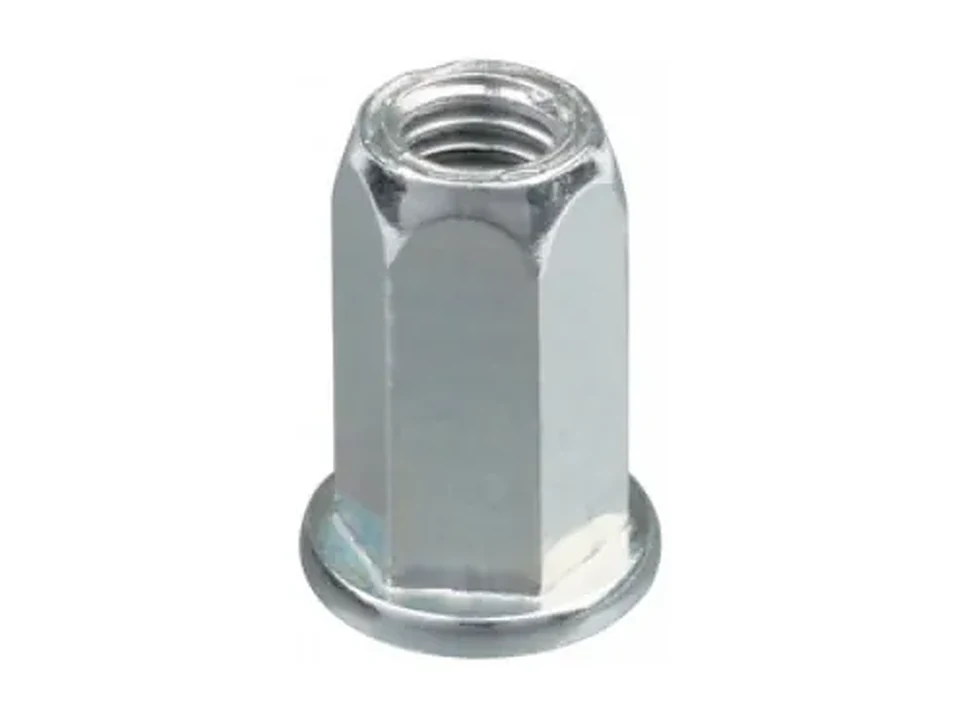
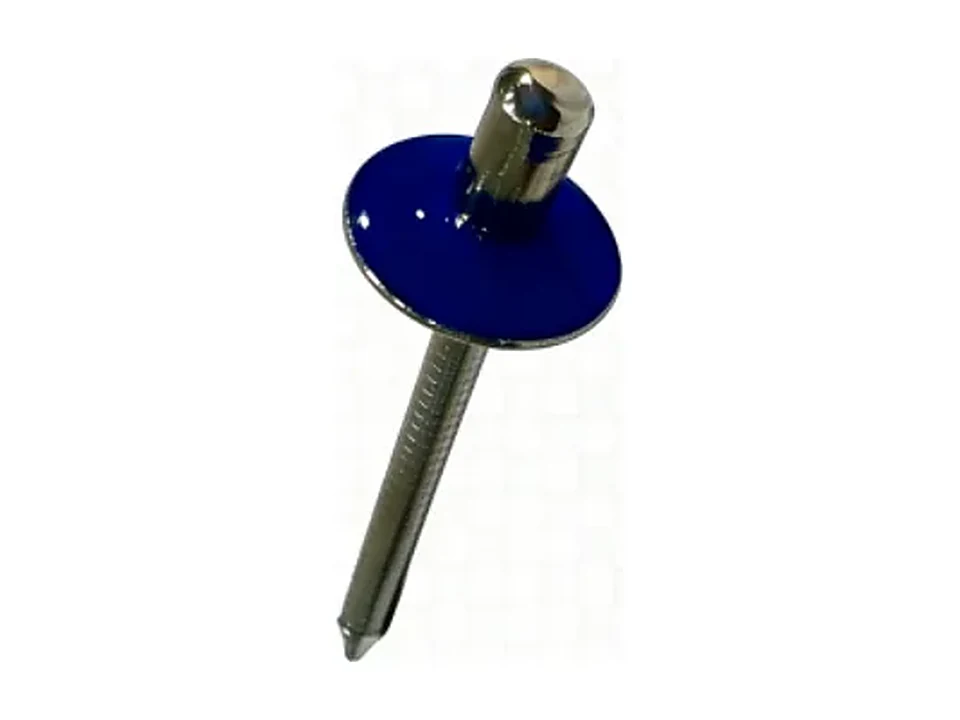
Tightening a screw harder does not make a cabinet watertight; the actual sealing surface is the pre-applied adhesive layer or the sealing ring. Non-removable joints use pre-coated blind rivet nuts and pre-coated rivets; removable joints use sealed clinch studs or bolts with a sealing ring under the head. Per the handbook, the sealing level can reach IP68, with the specific rating determined according to IEC 60529 / ISO 20653.
A high-current terminal puts conduction and thread in the same part
The difficulty in high-current applications is contact resistance and current-carrying area. A high-current terminal forms a reliable threaded connection while connecting the PCB conductively, and the internal and external threads can be pre-coated for locking, so one part carries conduction, location and fastening at once, removing one contact interface and therefore one heat source.
All specifications, grouped by four process families
Every card links directly to the product page; material, size, plating and packaging are as stated there. If board-level selection is uncertain, read the selection notes below first, or send us the stack-up drawing for an assessment.
PCB applications (SMT)
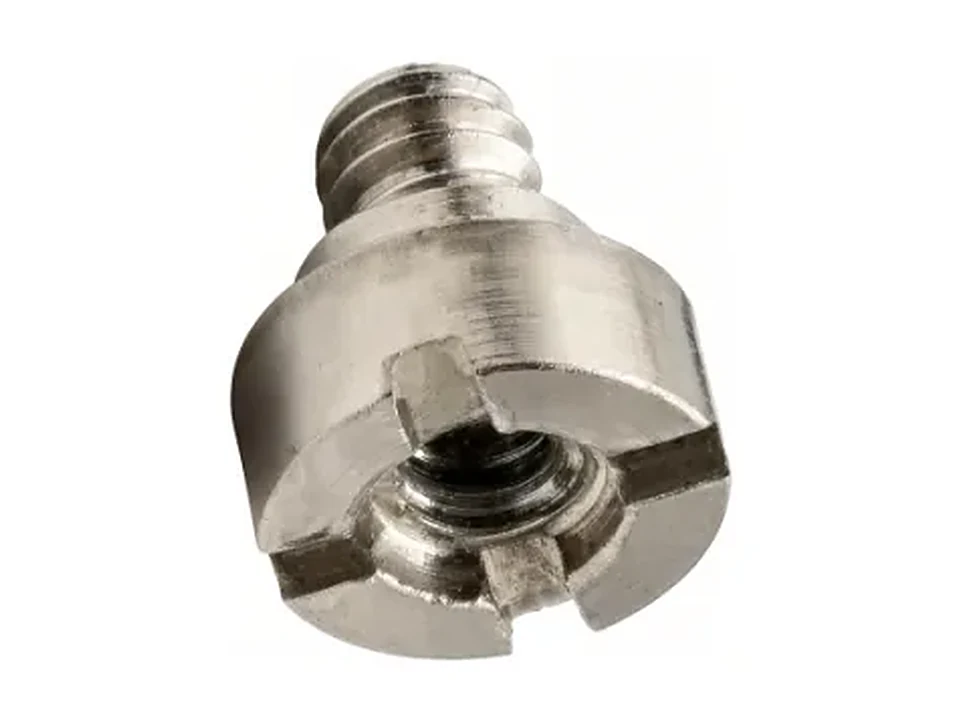
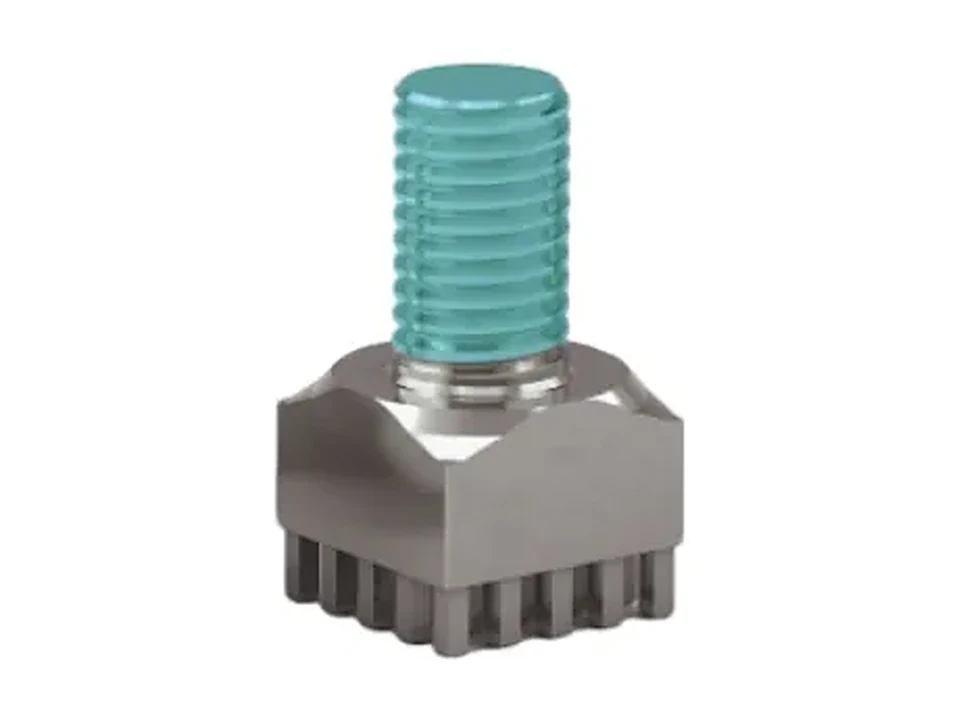
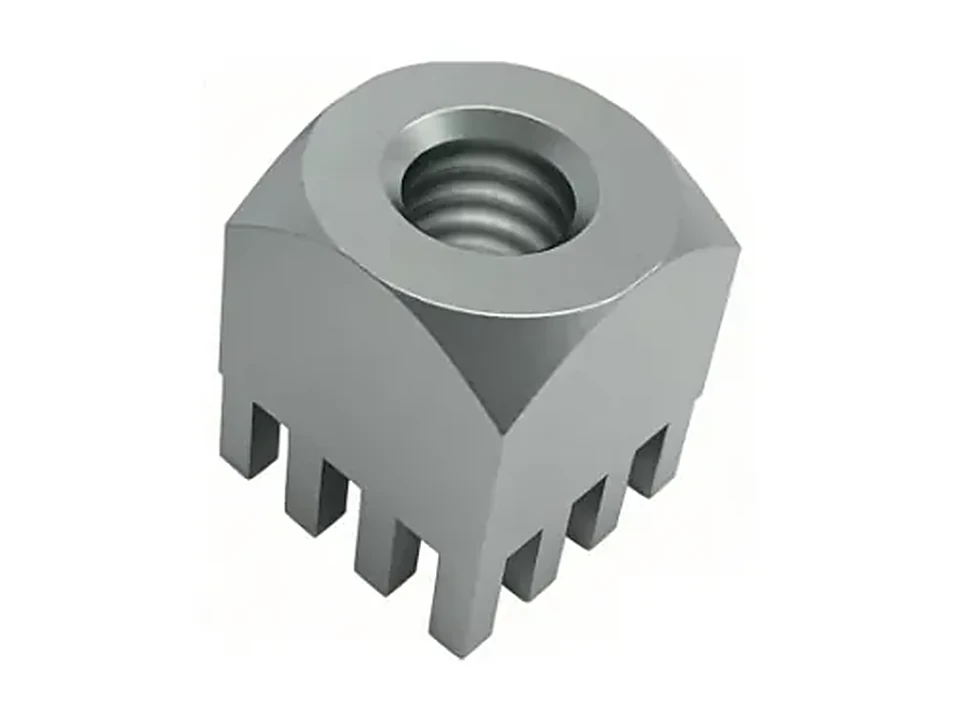
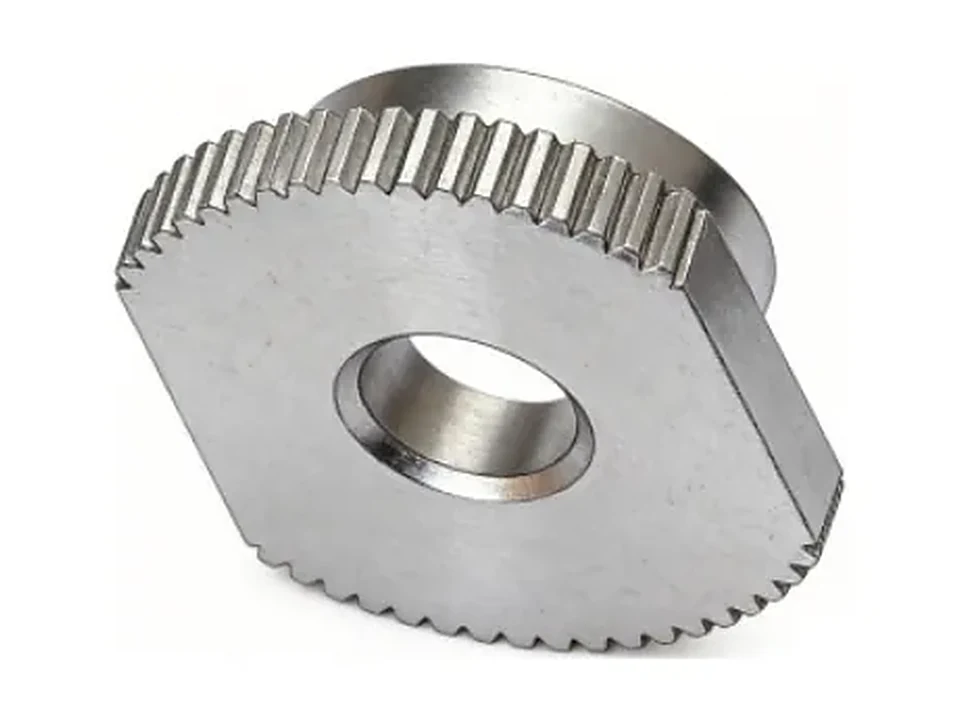
6 SKUsTin-plated copper nuts and surface-mount plates are soldered onto PCB pads to form threaded connections; the plate can also act as a standoff, and tape-and-reel packaging suits pick-and-place. High-current terminals carry conduction and threaded connection at once; inner-outer super screws serve multilayer boards and board-to-sheet-metal bridging.
Riveting (blind and clinch)
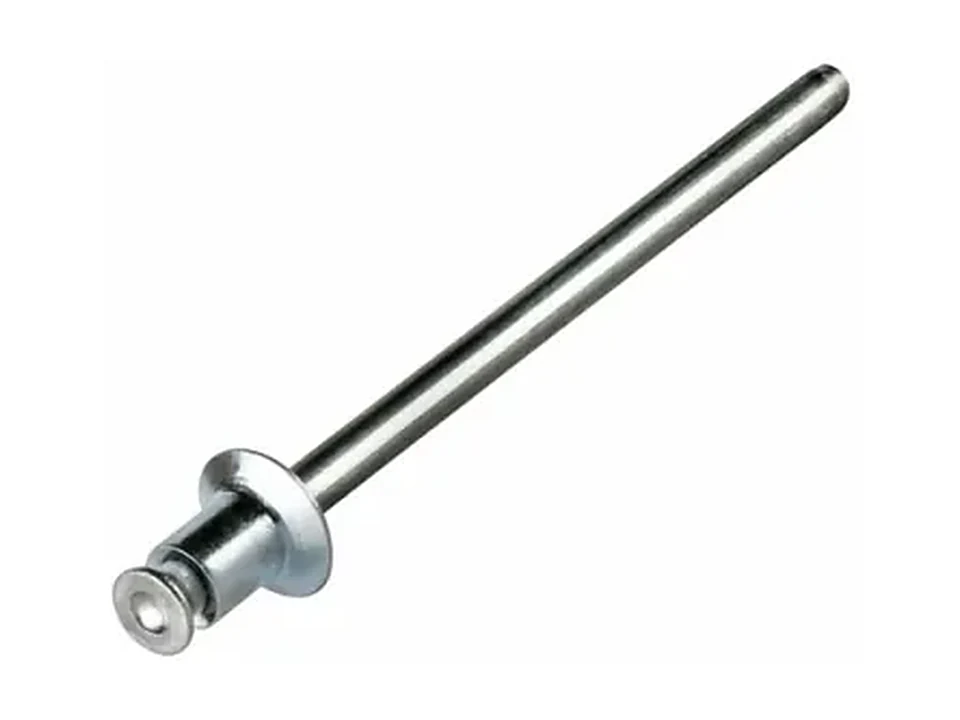
7 SKUsClinch nuts and studs, blind rivet nuts and blind rivets are used for fastening sheet-metal cabinets, and clinch grounding terminals specifically handle sheet-metal grounding; sealed clinch studs and pre-coated blind rivet parts serve cabinets requiring water resistance, with sealing up to IP68; flat head rivets are used where flatness is critical.
Thread reinforcement for light alloys (thread inserts)
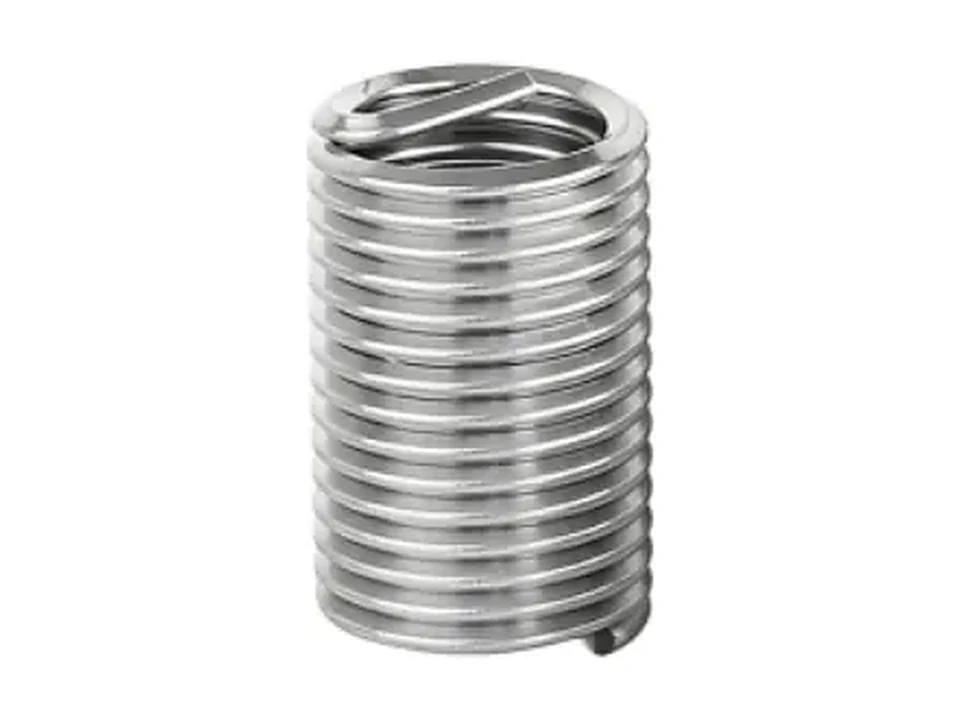
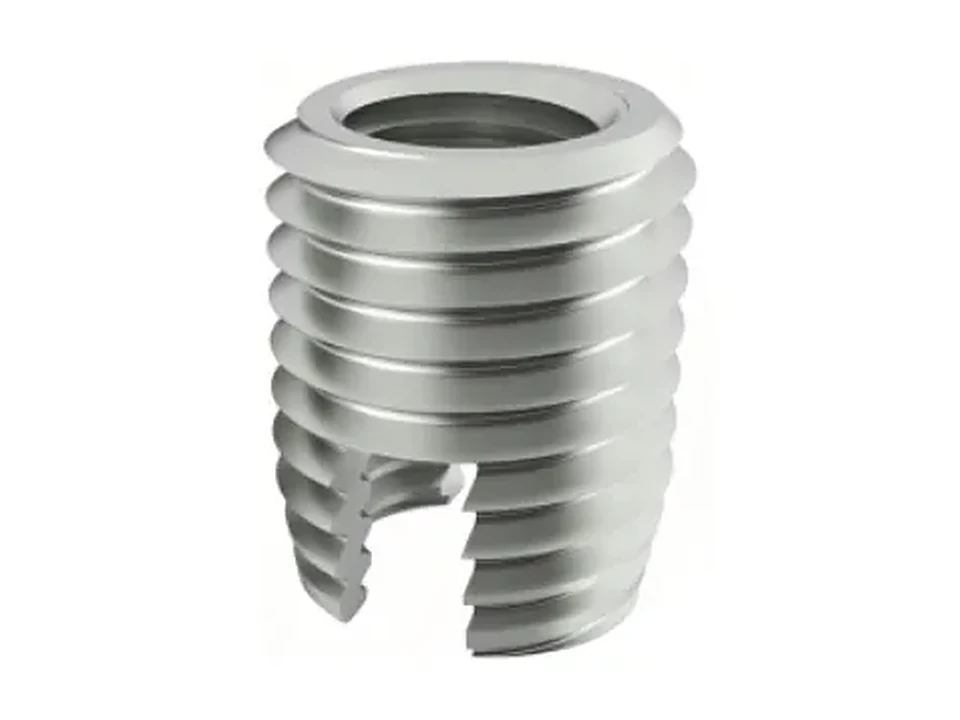
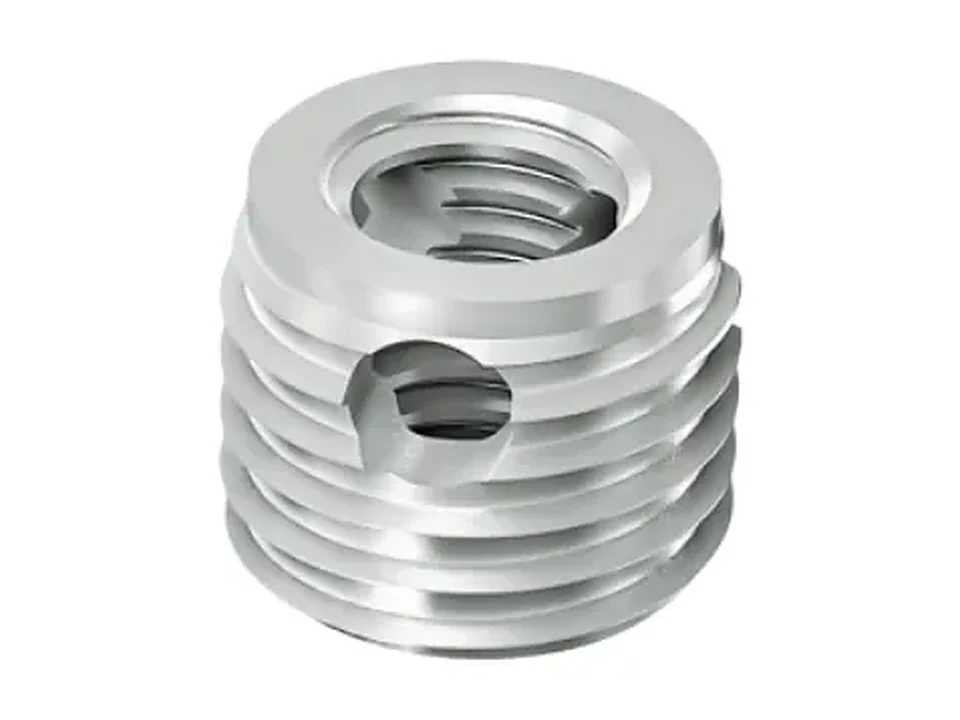
3 SKUsIn carbon steel and stainless steel, for reinforcing threaded holes in aluminium and magnesium die-castings and profiles; reinforcement reaches class 8 and above, up to class 12 and above. Directly tapped threads in die-cast housings strip easily after repeated assembly; moving the thread into a steel insert is the more stable approach.
Screws (anti-loosening, sealing, captive)
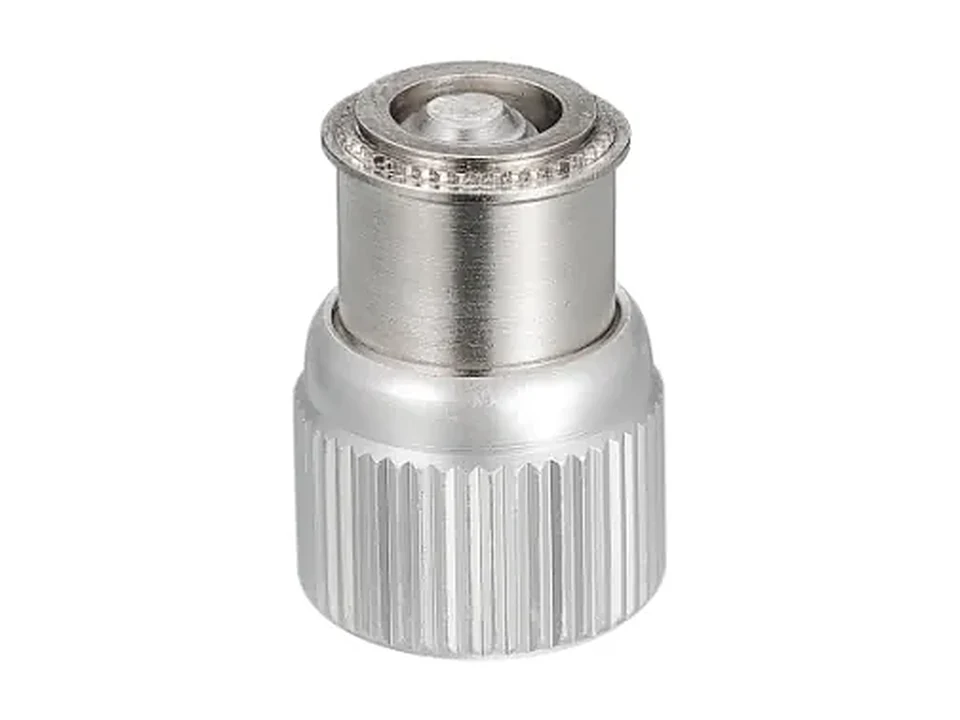
5 SKUsBolts achieve locking through assemblies and pre-applied chemical or physical thread-locking adhesive; pre-applied adhesive under the head or on the thread plus a sealing ring provides sealing up to IP68; captive screws stay with the panel after removal, simplifying on-site maintenance.
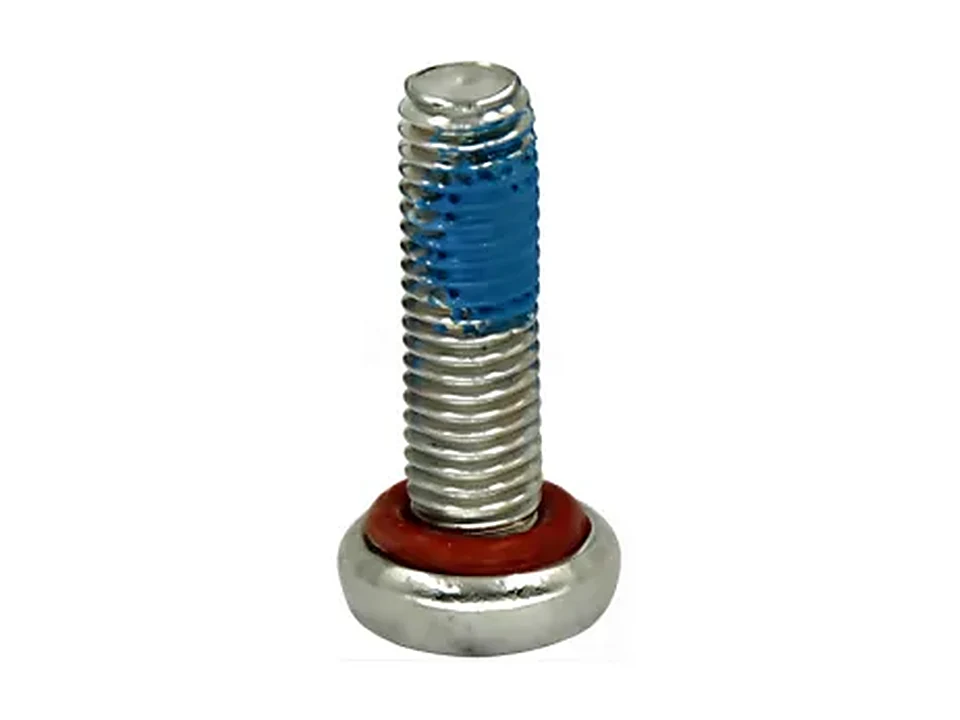
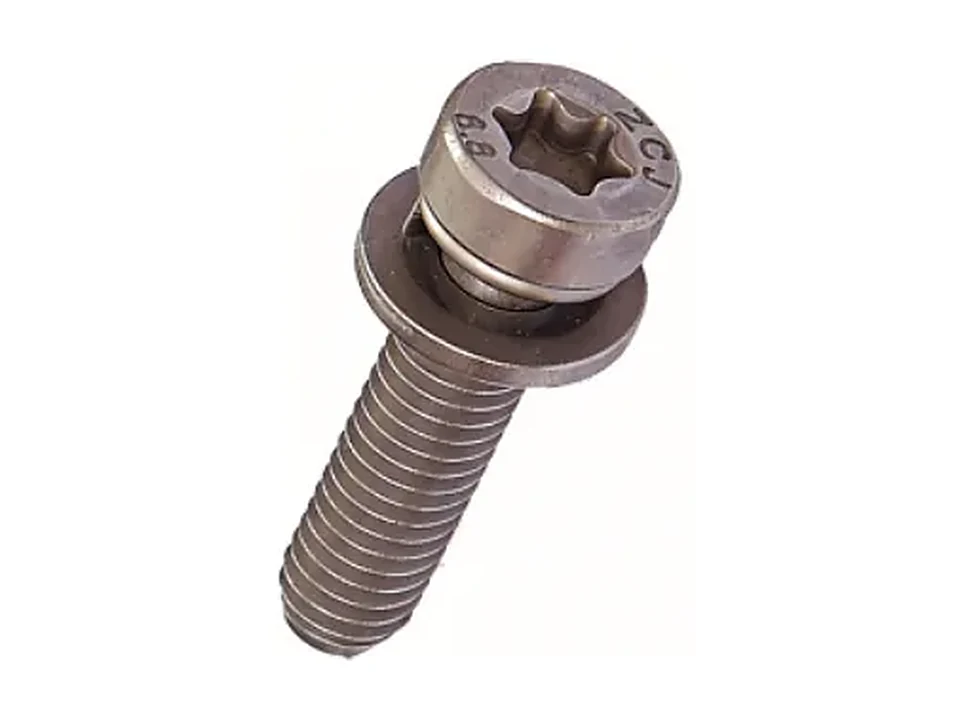
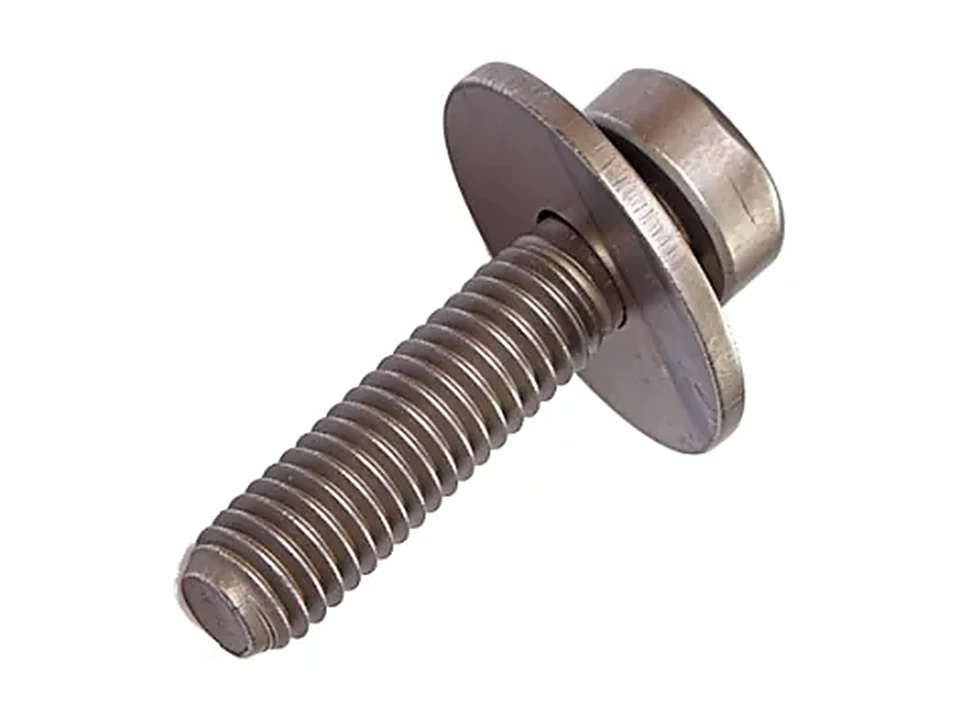
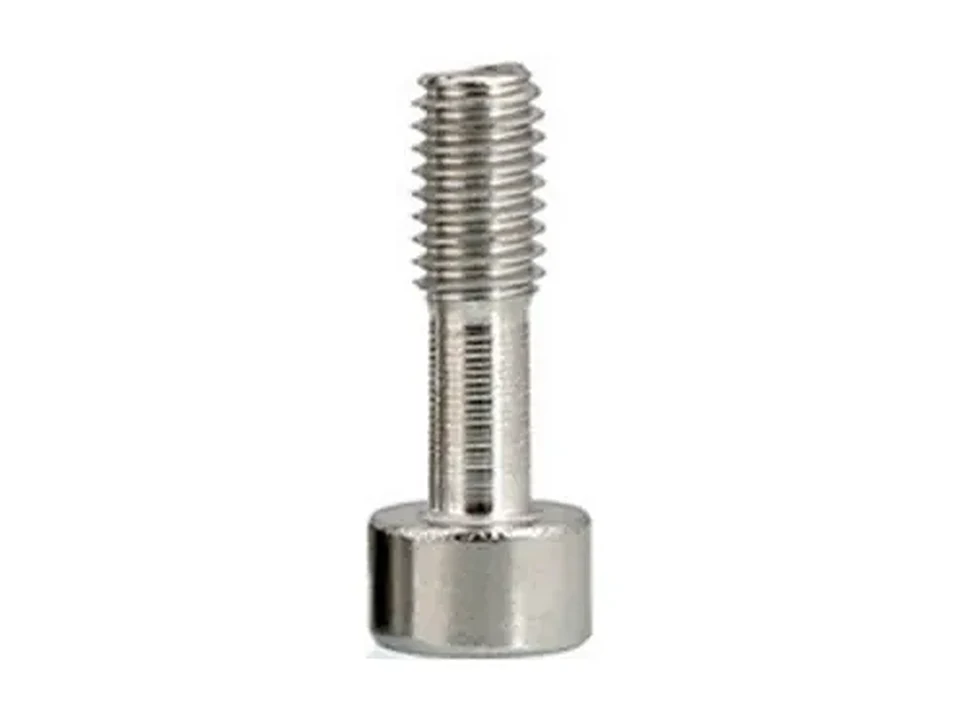
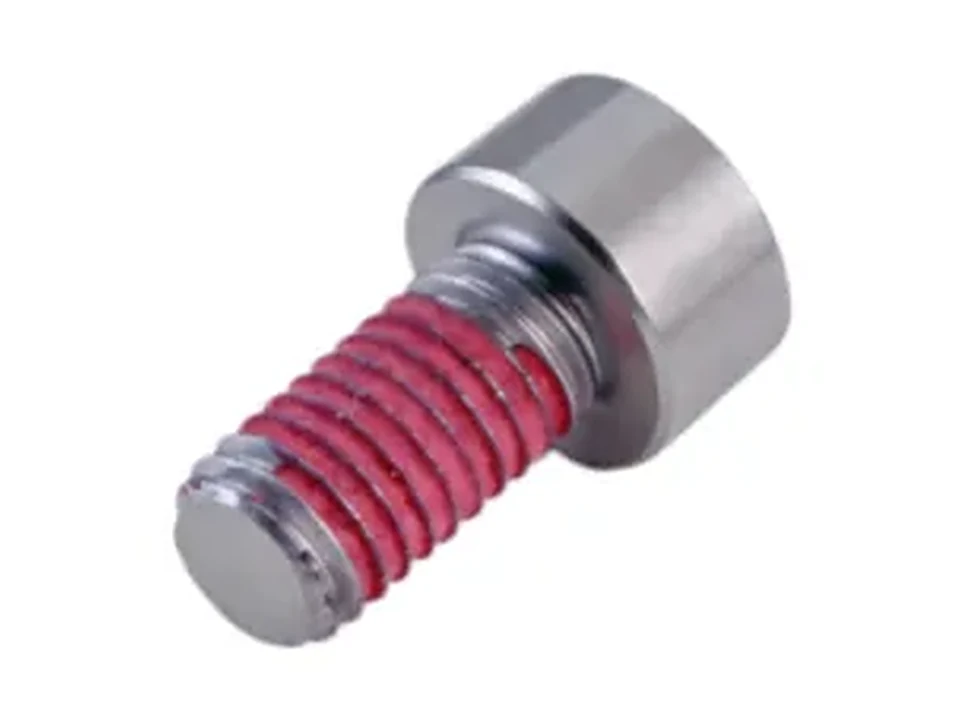
Four typical connection positions in industrial electronic equipment
From board to cabinet to device, the four positions differ in load path and failure mode.
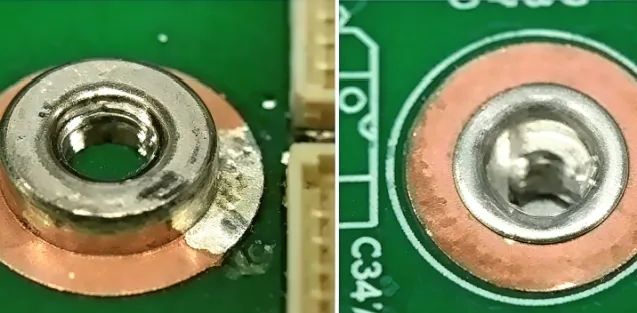
PCB board-level threads and standoffs
Threads on a board can only come from soldered parts: surface-mount nuts provide the thread, surface-mount plates also act as standoffs, and tape-and-reel packaging runs directly on pick-and-place machines. The first selection question is whether this thread must pass through the whole board.
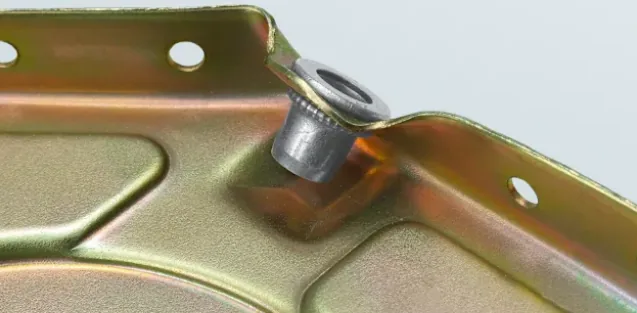
Sheet-metal cabinets and enclosures
Clinching forms in one press stroke and suits volume production; blind riveting works from one side and suits cabinet interiors where a press cannot reach. Grounding requires a separate clinch grounding terminal and cannot be substituted by structural parts.
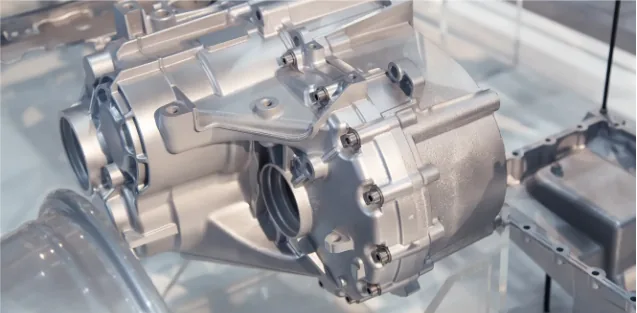
Die-cast housings and heat-sink structures
Threaded holes in aluminium die-cast housings strip after a few assembly cycles, especially at positions such as heat-sink mounting holes that are serviced repeatedly. A thread insert moves the thread into a stainless steel part and is the standard practice for such housings.
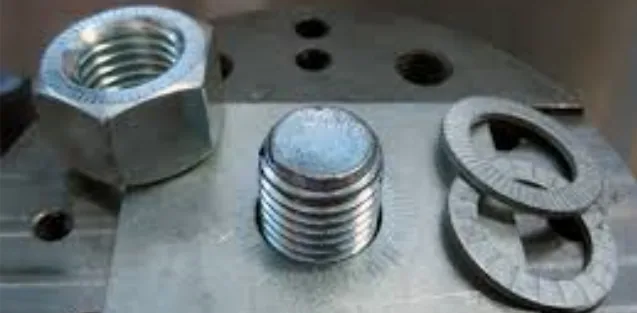
Panel fastening and sealing
Panels must combine locking and serviceability: assembly screws with spring washers prevent loosening, captive designs keep the screw attached after removal, and sealing areas add an O-ring under the head or pre-applied adhesive.
Selection logic for industrial electronics fasteners
First establish which level the part belongs to, board, cabinet or device, then discuss the part number. The criteria for the three levels are entirely different.
Fastening in industrial electronics is often discussed as a single topic, yet it falls into at least three levels: board level creates threads on the PCB, cabinet level makes connections in sheet metal, and device level reinforces threads in die-cast or plastic parts. The parts used, the acceptance methods and even the supplier capability differ between the three. The five sections below follow this structure, based on the Industrial Electronics Industry Handbook and the product page data on this site.
Level one: three ways to create a board-level thread
PCB substrate cannot be tapped, which leaves board-level threads only one route: welded metal parts. The difference is the form. A surface-mount nut creates a threaded hole directly on the pad; a surface-mount plate adds height as well as thread and suits positions where component height must be cleared; an inner-outer super screw has one end inside and one outside and is used for multilayer stacks or board-to-sheet-metal bridging.
Start selection with three questions: must the thread pass through the whole board, is there space under the board for a nut, and is assembly by reflow or post-soldering. Different answers give different forms. There is no universal part here; using a surface-mount nut where multilayer bridging is required usually ends in a structural board redesign.
- Single-layer board, one threaded hole only → surface-mount nut
- Standoff and component clearance needed at the same time → surface-mount plate / standoff
- Multilayer stack or board-to-sheet-metal bridge → inner-outer super screw
- High-current circuit → high-current terminals (conduction + thread in one part)
Level two: clinching or blind riveting
The criterion is whether both sides can be reached. Clinching needs a press applying force from one side with support on the other, suited to volume production and accessible board faces; blind riveting is completed from one side and suits cabinet interiors and profile cavities where a press cannot reach. The two differ in torque and tensile resistance, but both depend on matching sheet thickness to hole diameter and cannot be transferred across thicknesses.
Flatness is the second criterion. Where cabinet panels must sit flush, a protruding screw head presses against the panel and induces assembly stress, so flat head rivets should be specified. This point is often missing from drawings and only discovered when the panel will not sit flat during assembly.
Level three: how to reinforce threads in die-castings
Threads tapped directly into aluminium and magnesium die-castings form in a soft base material; repeated assembly thins the thread profile step by step until it strips. After moving the thread into a carbon steel or stainless steel insert, the handbook states thatReinforcement reaches class 8 and above, even class 12 and above。
Note that this class describes the strength of the reinforced threaded connection, not the property class of the bolt. In a technical agreement the two should be listed separately, the thread strength after insert reinforcement and the property class of the bolt itself, each with its own test method, otherwise acceptance turns into a dispute.
Sealing: three routes, chosen by whether the joint is opened
Non-removable joints use pre-applied adhesive: blind rivet nuts and rivets are pre-coated on the thread or head, and the adhesive is compressed to fill gaps during assembly. Removable joints use sealing rings: an O-ring under the head or a face seal, restored by replacing the seal after service. Positions where cables or posts pass through a cavity use sealed clinch studs.
Per the handbook, all three routes reach sealing level IP68. But IP68 is the rating of the part itself; whether the complete unit qualifies also depends on other housing seams, cable outlets and consistent assembly torque. This must be stated clearly when proposing a solution, otherwise a failed immersion test on the unit is blamed on the fastener.
Acceptance: three test types for three risk types
Structural items are judged by push-out and torque-out force of the clinch or blind rivet joint and by pull-out and torque of the thread; corrosion protection by neutral salt spray (ISO 9227), where different plating systems give very different results; sealing by airtightness (pressure decay method) or immersion, with acceptance values derived from the IP rating of the complete unit.
One item is easily overlooked: contact resistance. The real performance of grounding terminals and high-current terminals depends on this value, not on appearance. We recommend listing the measurement method and acceptance value for grounding impedance and contact resistance separately in the technical agreement; when this item fails, troubleshooting is the most expensive.
A total-cost optimisation partner from prototype design to after-sales
Six professional services cover selection, samples, validation and volume ramp-up, turning "will this screw work" into a verifiable engineering conclusion.

Fast engineering samples
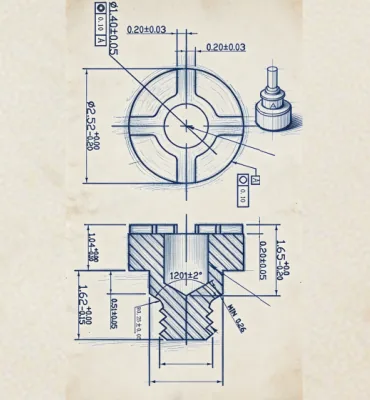
Professional training
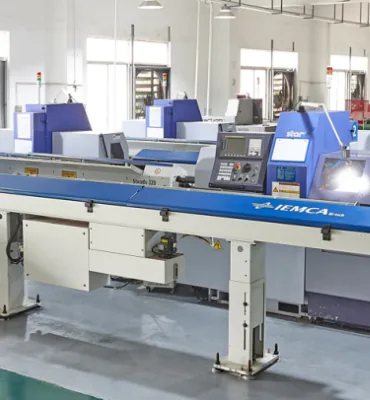
Professional testing services

Professional design consulting
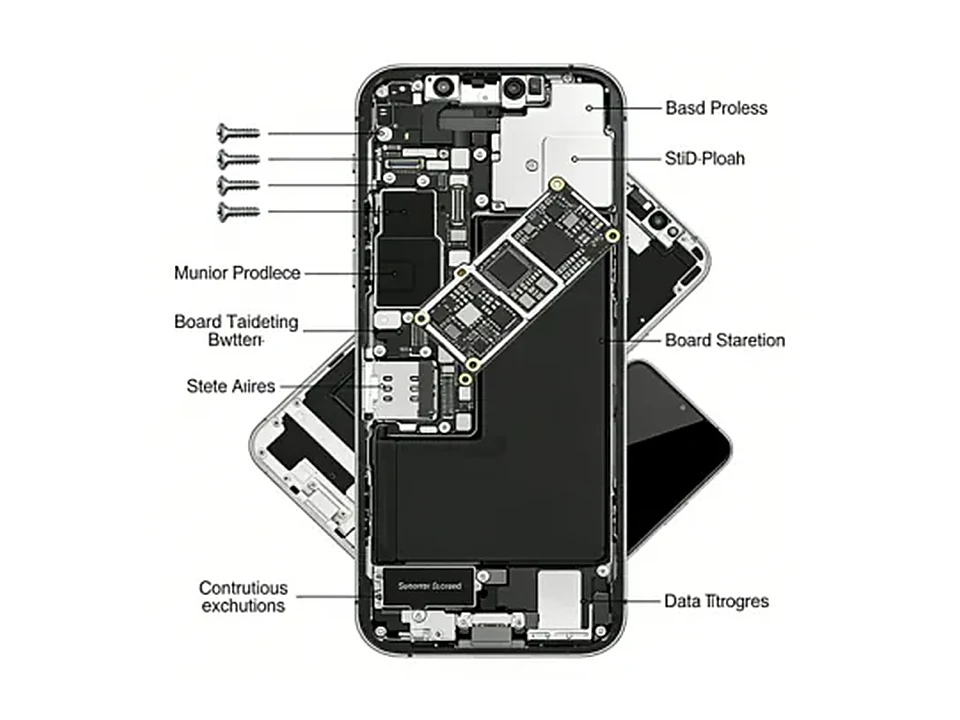
Continuous process optimisation
Professional teardown analysis
From structure drawing to volume delivery
Board-level and cabinet-level parts both require fixtures, so the assembly method must be settled already at the prototyping stage.
Structure and operating conditions confirmed
Confirm board thickness, stack-up, plating system, any grounding and water-resistance requirements, and whether assembly is by reflow or post-assembly.
Selection and prototyping
We propose solutions by board, cabinet and device level and provide fast engineering samples for physical fit checks.
Dedicated validation
Push-out and torque-out force, salt spray, airtightness, contact resistance, with acceptance values taken from the project conditions.
Fixtures and small batches
Confirm compatibility of clinch and blind riveting fixtures and SMT packaging, and lock the process parameters.
Volume production and optimization
We optimize the process from batch data and carry out professional teardown analysis on abnormal parts to locate the failure step.
Common questions about industrial electronics fastening
Can a thread be tapped directly into a PCB?
How do surface-mount nuts, plates and super screws divide the work?
How should clinching and blind riveting be chosen?
Can sealed clinch studs achieve IP68?
Why can structural nuts not be used directly for grounding?
What is the point of captive screws?
Other industries under “Industry Solutions”
Continue below
Send us the board thickness and cabinet structure drawing, and we will propose by level
Send us the sheet thickness, stack-up, plating system and any grounding or water-resistance requirements, and we will give selection advice and samples by board, cabinet and device level.