
HPC / AI server fastener solutions|Liquid cooling UQD / sheet-metal enclosure / PCB board level | Sealing and quick connect
An AI server packs three formerly separate disciplines into one rack: the liquid cooling loop must never drip, the sheet-metal enclosure must both ground and seal, and the PCB must form a reliable thread under high current. One wrong part anywhere means the whole rack goes back for rework. Following the Industry Handbook — HPC AI Servers, this page brings together four families: UQD couplings, riveting and clinch parts, PCB applications, and locking and sealing screws.

Three things fasteners decide inside a compute rack
Liquid cooling, sheet metal and board level each have their own failure modes, and the manual gives a clear implementation path for each.
Liquid cooling loop: one drop is a whole-rack incident
The joint between cold plate and pipework is the weakest point in a liquid cooling loop. The value of a UQD coupling is not that it connects, but that drip-free, high flow and quick connect hold at the same time — no drip at the moment of disconnection is what lets service staff swap a board with coolant still in the loop.
Sheet-metal enclosure: fastening, grounding and water resistance are three separate requirements
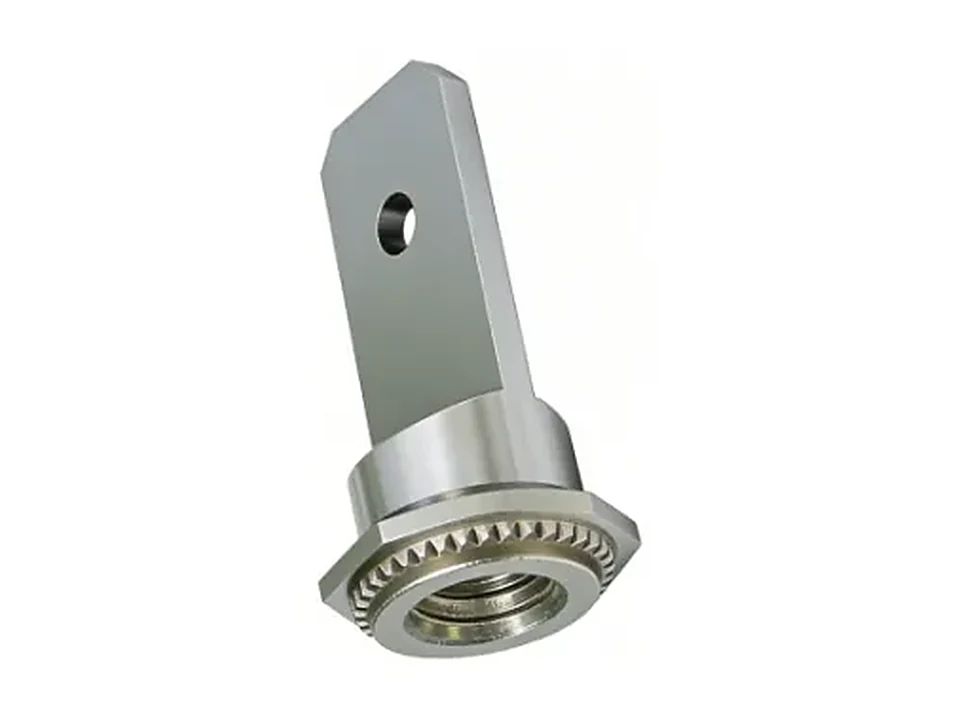
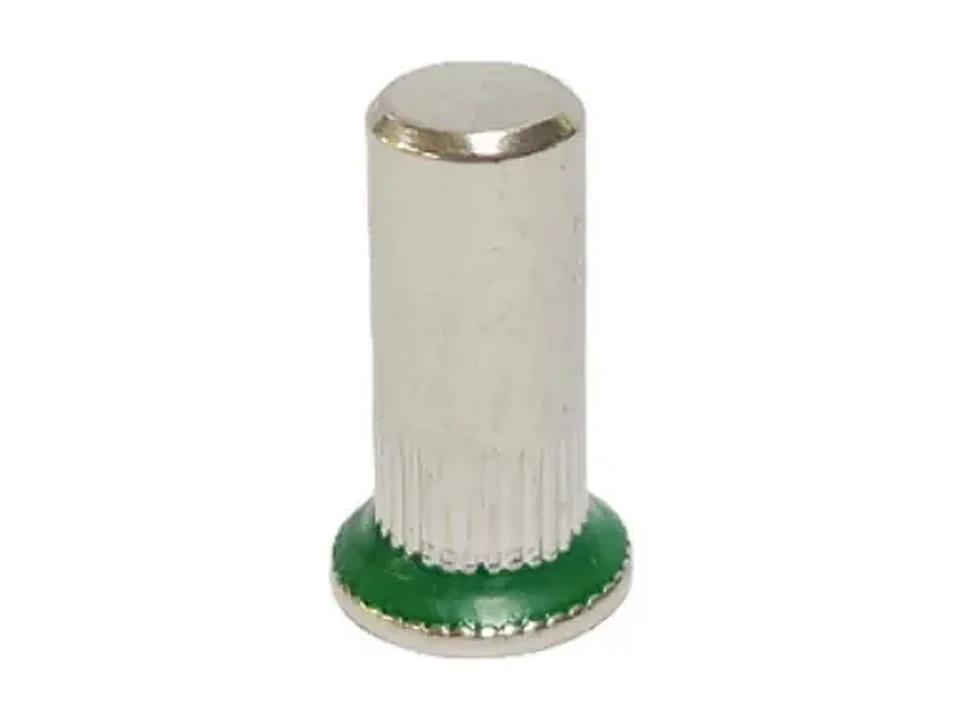
In one enclosure, clinch nuts fasten, clinch grounding terminals bond for equipotential, and sealed clinch studs keep water out — three different structures with three different acceptance criteria. The typical result of mixing them up is out-of-spec ground resistance blamed on the coating.
PCB level: at high current a thread cannot rely on the solder joint alone
Tin-plated copper nuts and small plates are soldered to the PCB to create a thread connection and also act as standoffs; high-current terminals conduct through the PCB at high-current locations while forming a reliable thread, with pre-applied adhesive available on the internal and external threads for locking. Tape & reel packaging exists for the SMT line, not for appearance.
Service panels: screws must not fall out when removed
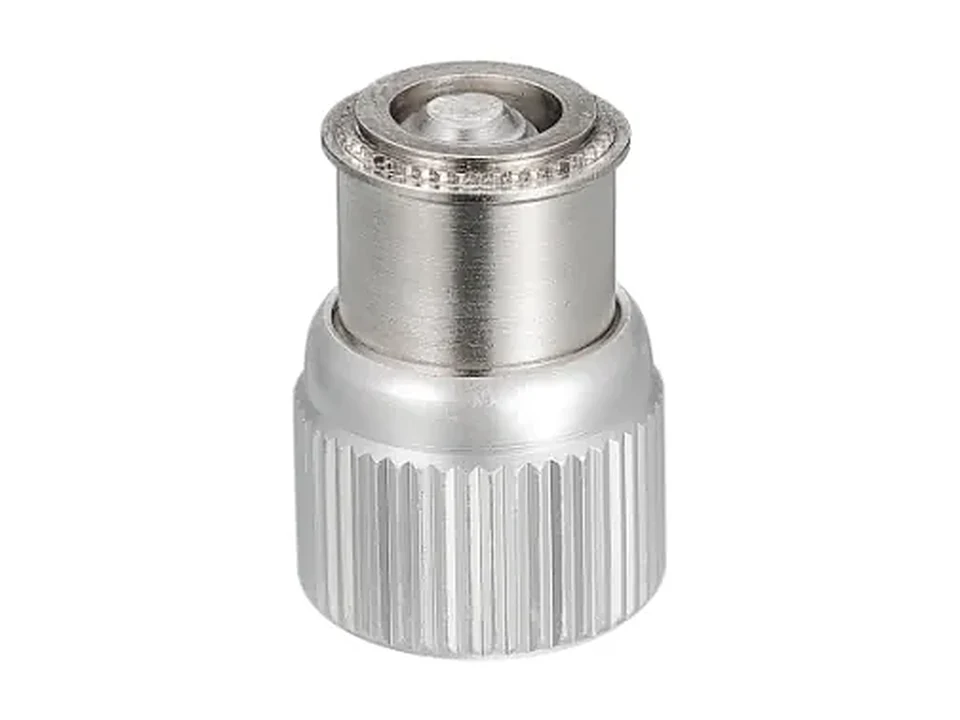
A server is a device that gets opened for service again and again. Captive screws stay on the panel after removal, so they cannot fall into the rack or the air duct — the most common and most easily avoided class of service incident.
All specifications, grouped by four positions inside the rack
Each card leads straight to the product page; size, material, plating and packaging are as stated there. For liquid cooling parts, start with the first section on M5.
PCB applications (SMT)
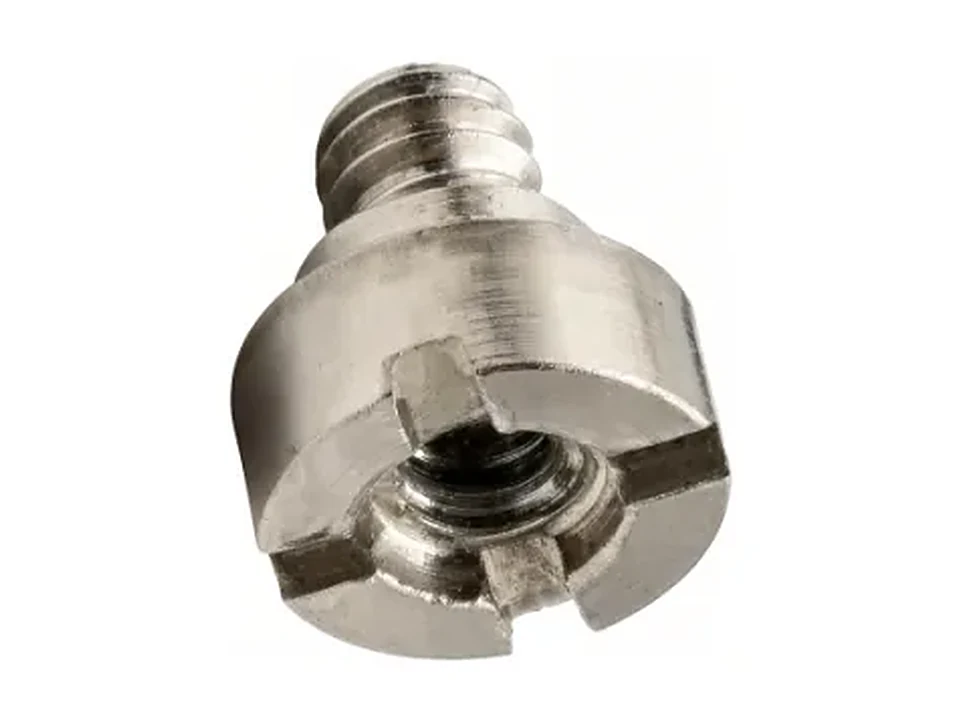
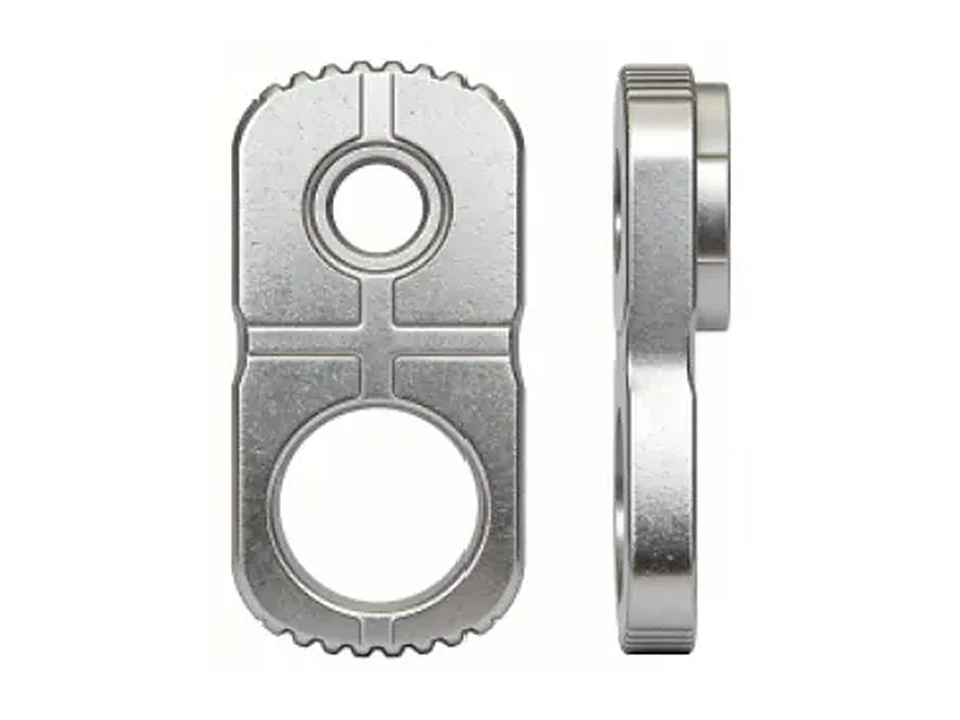
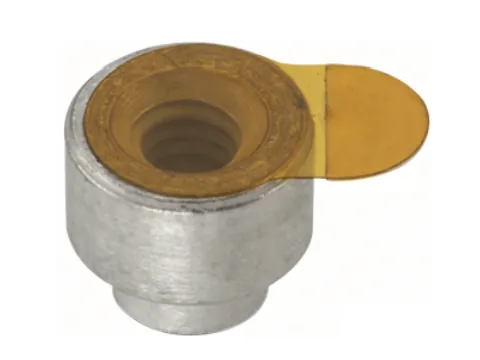
6 SKUsTin-plated copper nuts and small plates are soldered to the PCB to form a thread connection and can act as standoffs; high-current terminals combine conduction with a thread connection, and pre-applied adhesive on the internal and external threads provides locking; super screws join multilayer boards and board-to-sheet-metal stacks. All are available in tape & reel for SMT lines.
Riveting (clinch, blind rivet)
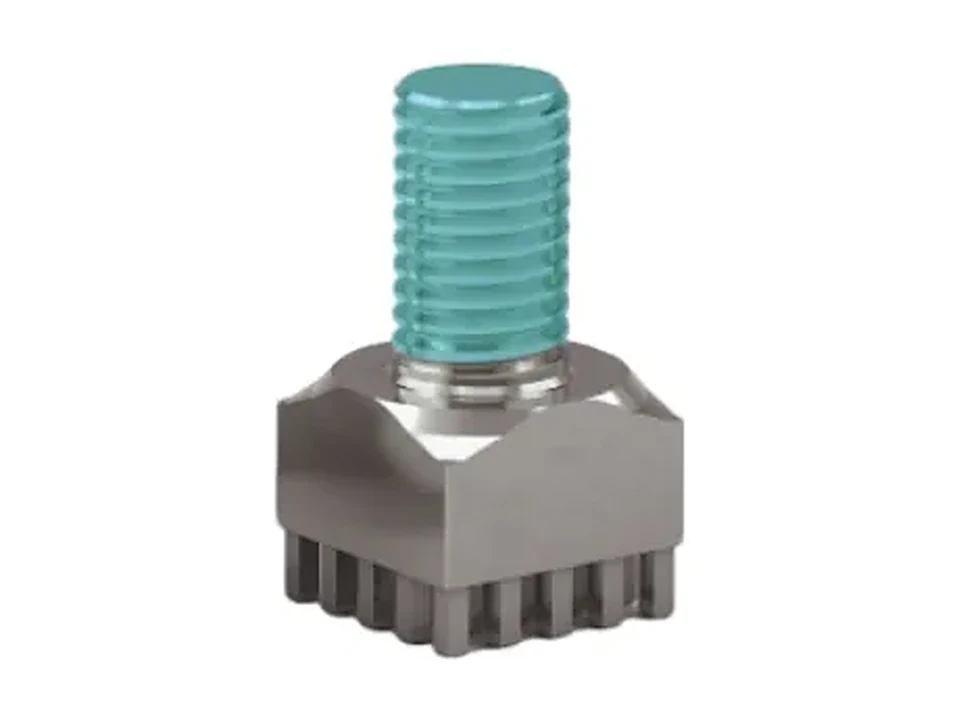
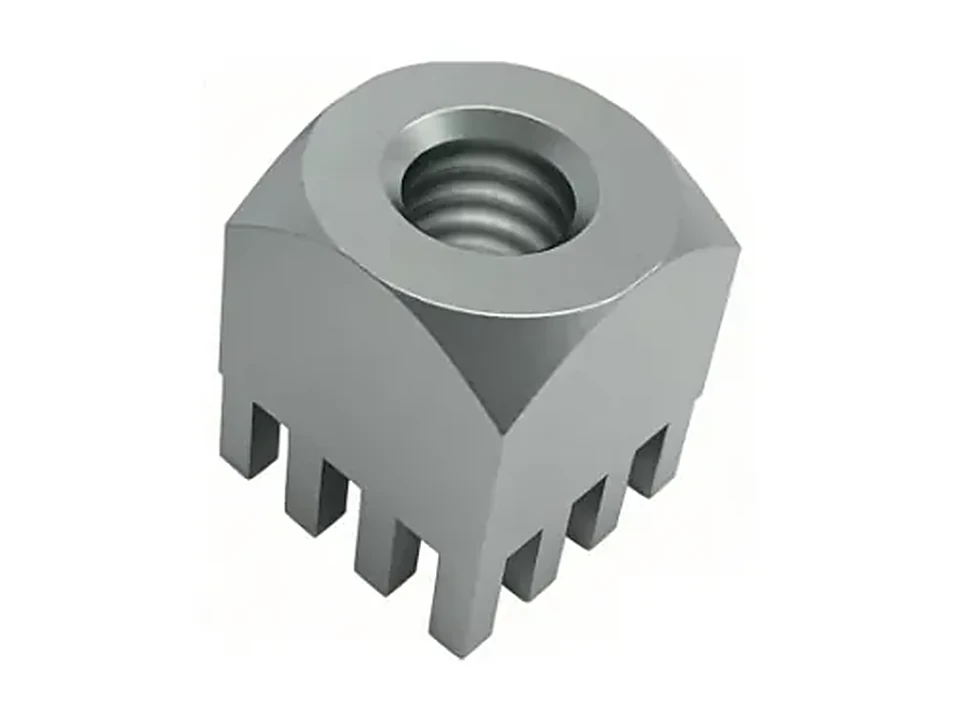
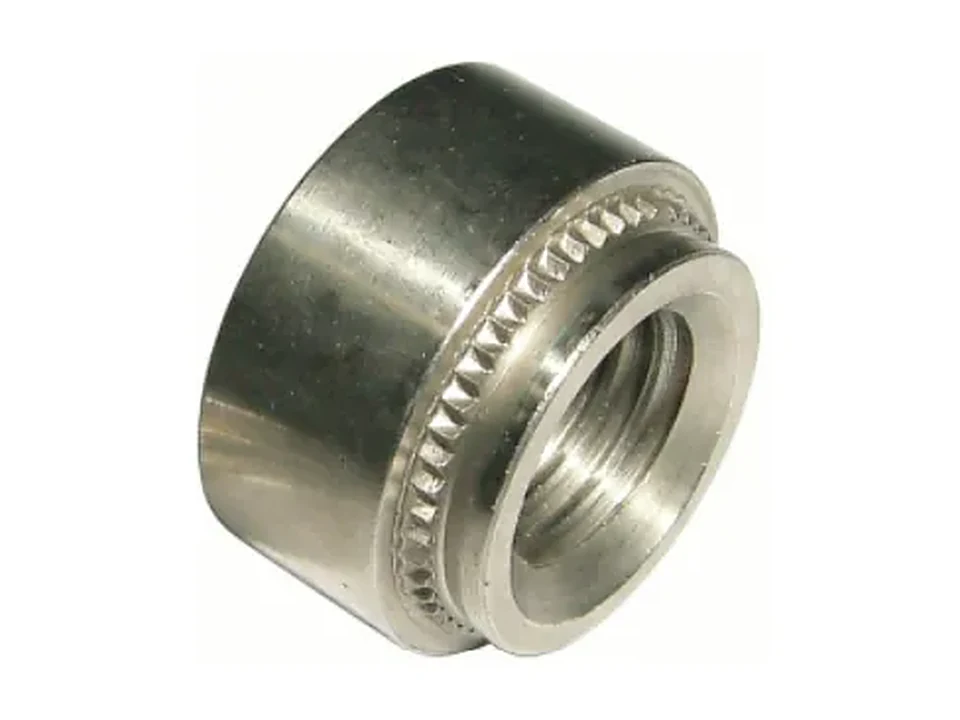
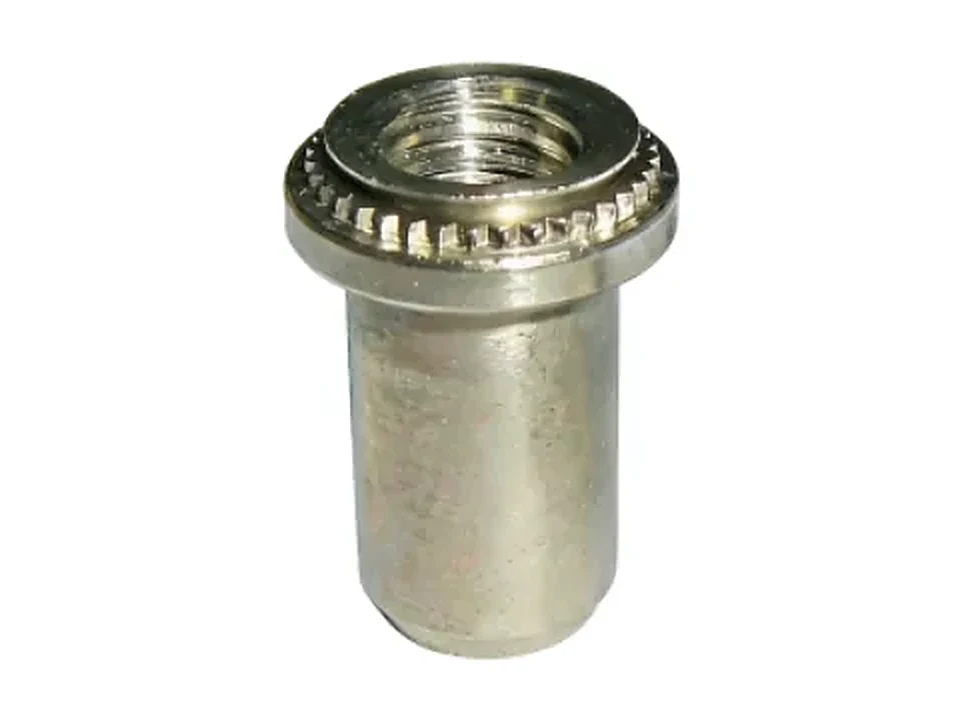
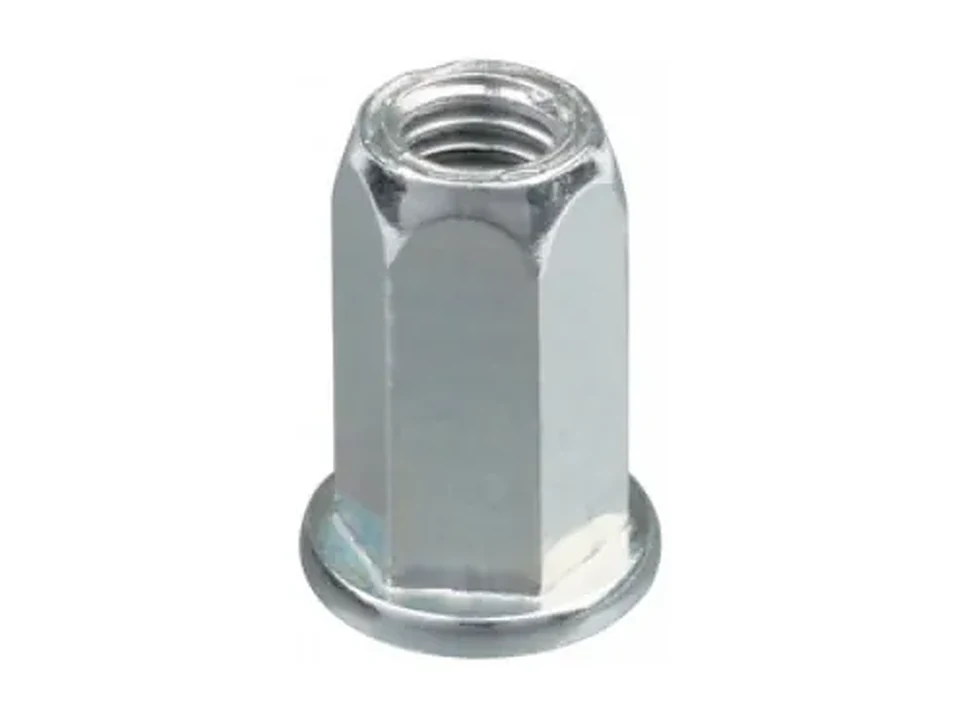
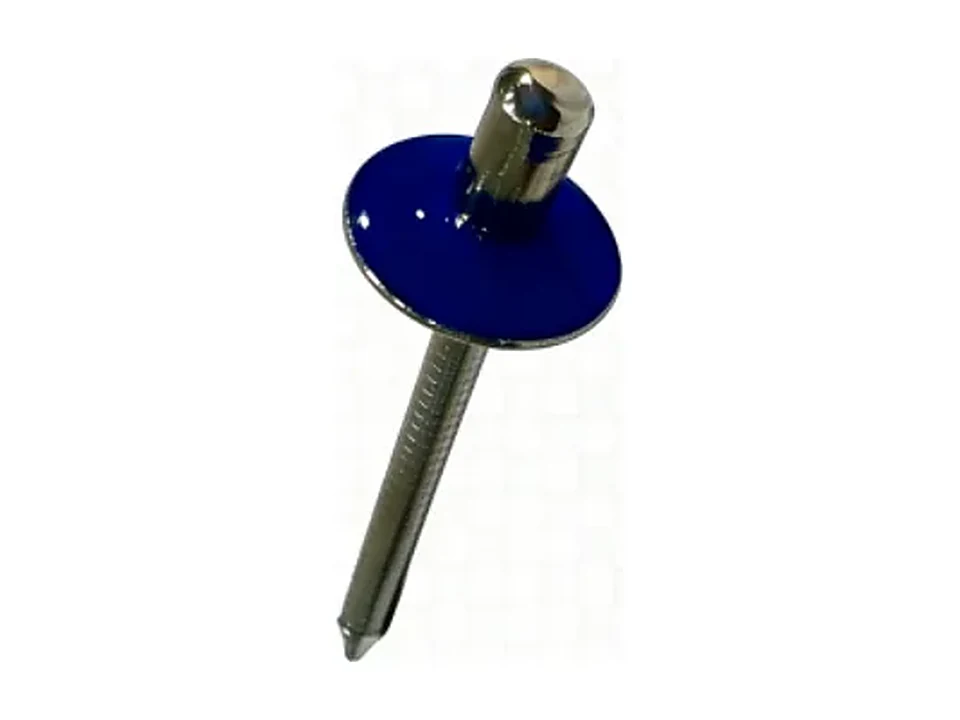
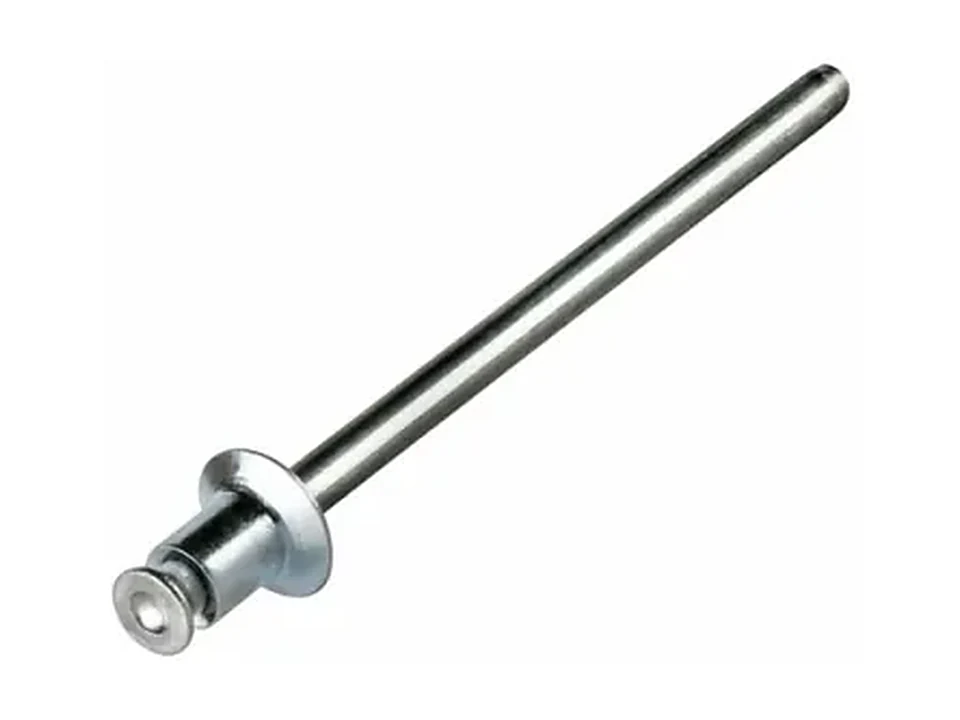
8 SKUsClinch nuts and studs, blind rivet nuts and blind rivets fasten the sheet-metal enclosure; clinch grounding terminals handle grounding; sealed clinch studs and pre-coated blind rivet parts handle enclosures that must keep water out, with sealing rated up to IP68; flat-head rivets suit enclosures with tight flatness requirements.
UQD couplings (liquid cooling)
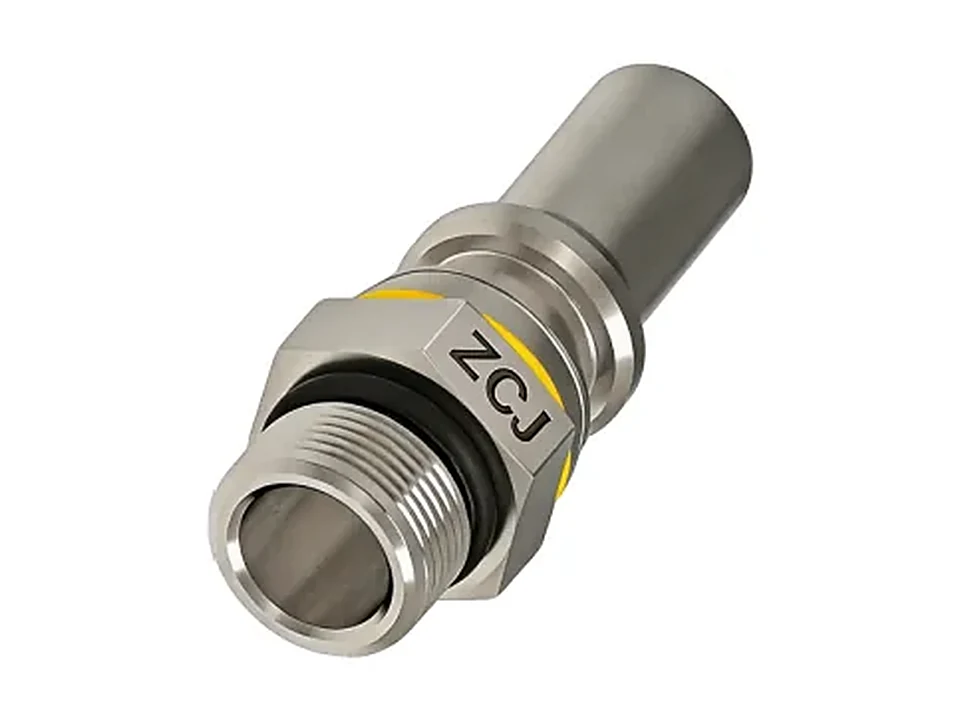
1 SKUDrip-free, high flow, quick connect — for fast, sealed connections between cold plates and pipework in AI server liquid cooling loops, balancing heat removal efficiency with ease of service.
Screws (anti-loosening, sealing, captive)
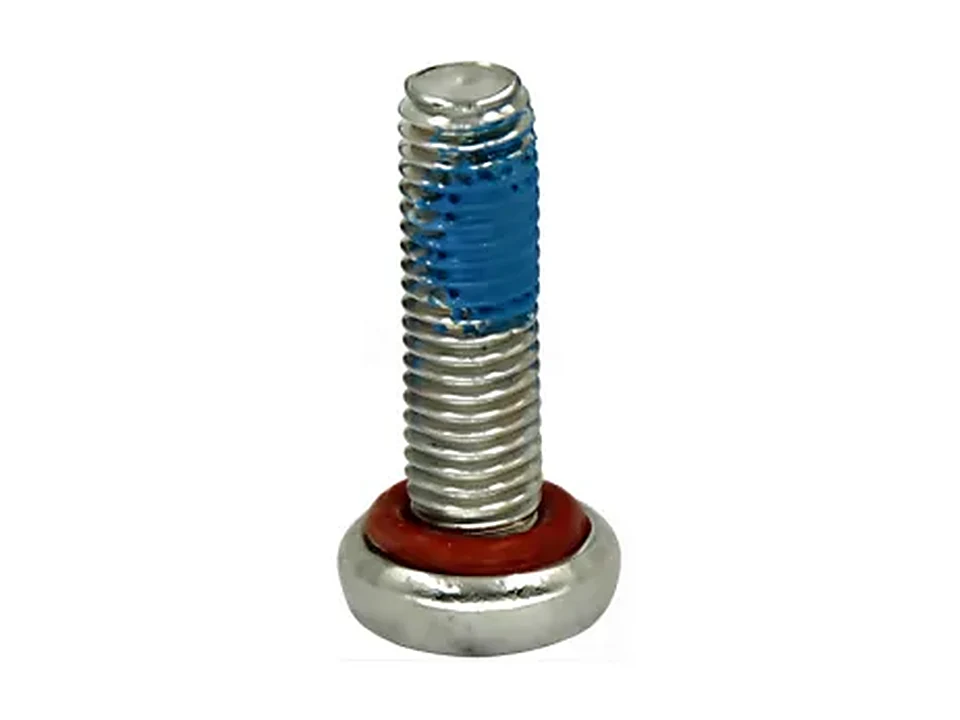
5 SKUsLocking comes from assembled or pre-applied thread-locking adhesive (chemical or physical); sealing comes from pre-applied adhesive under the head or on the thread plus a sealing ring, rated up to IP68; captive screws serve panel maintenance access.
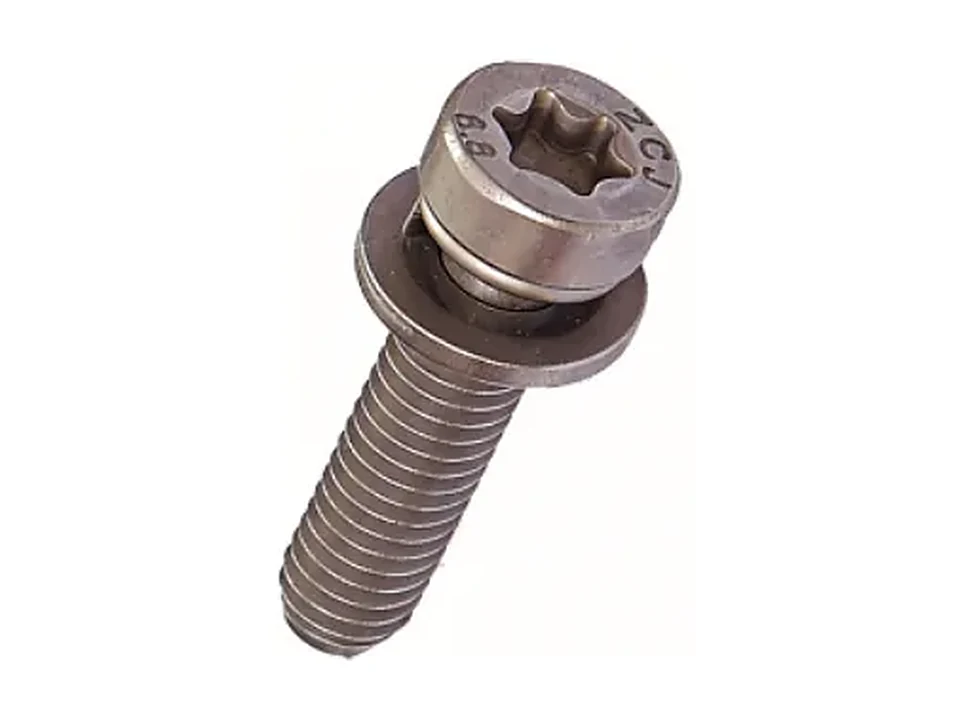
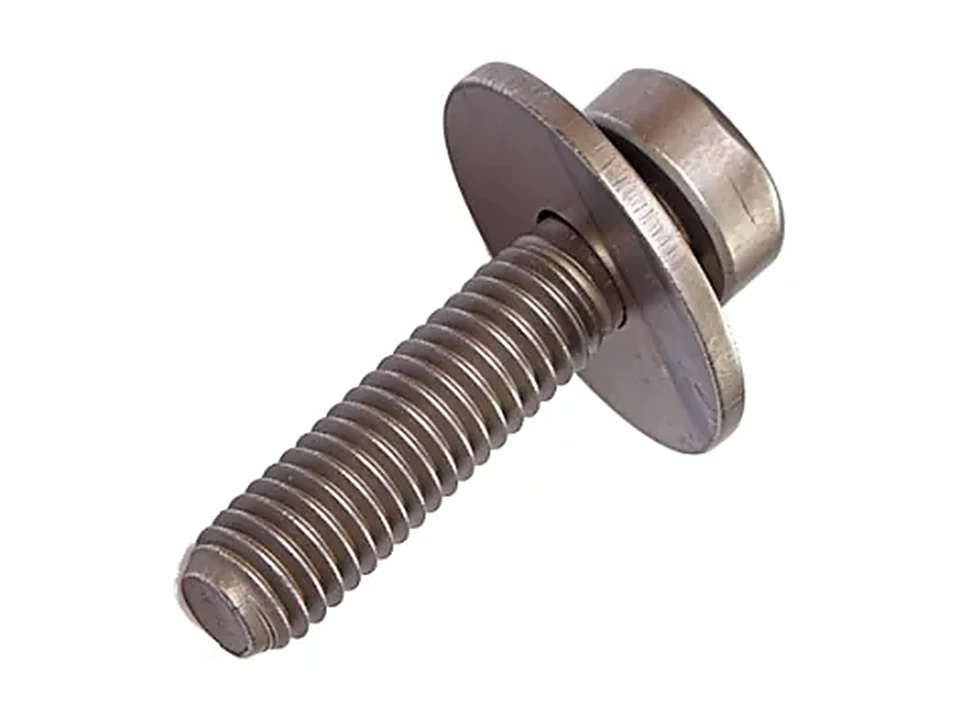
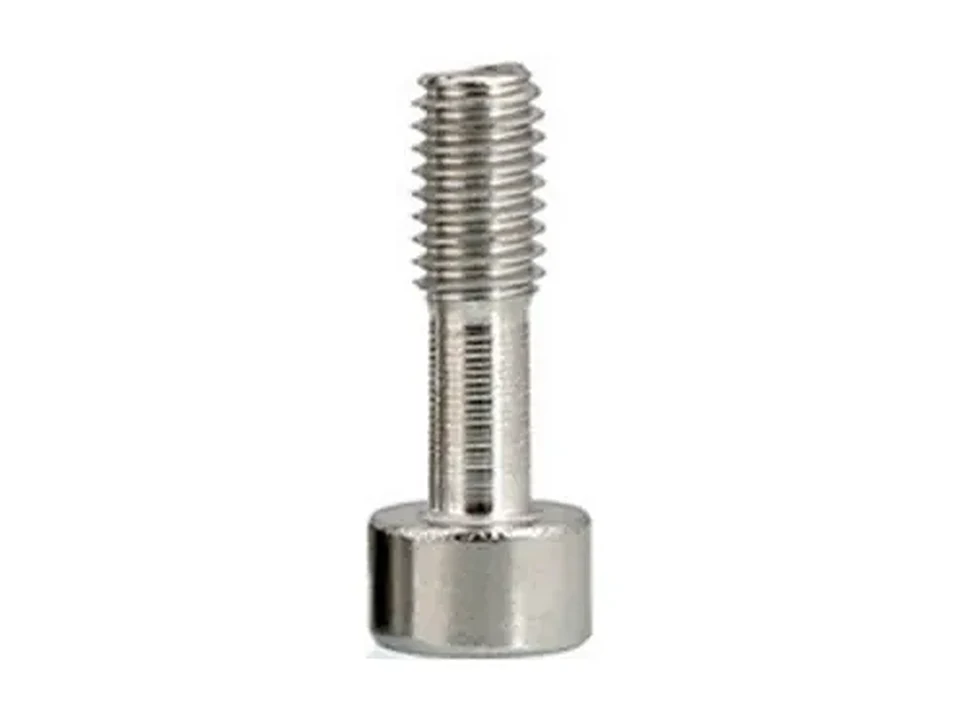
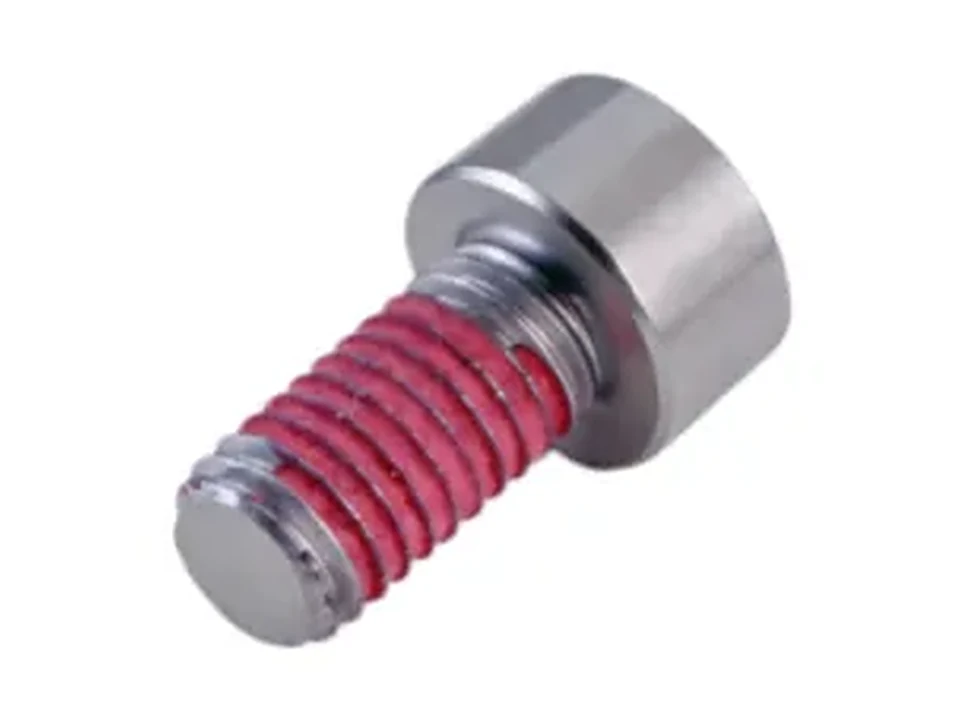
Four critical connection points
Looking up parts by position is faster than searching by model number. Each position maps to one group in the SKU matrix above.

Cold plates and pipework
UQD quick couplings deliver drip-free disconnection so boards can be swapped with coolant in the loop.
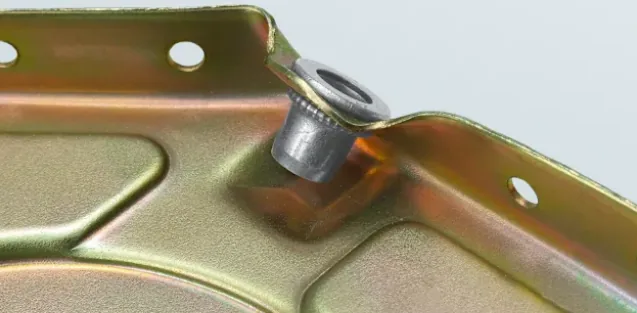
Rack sheet metal and grounding
Clinch nuts fasten, grounding terminals bond for equipotential, and sealed versions add water resistance.
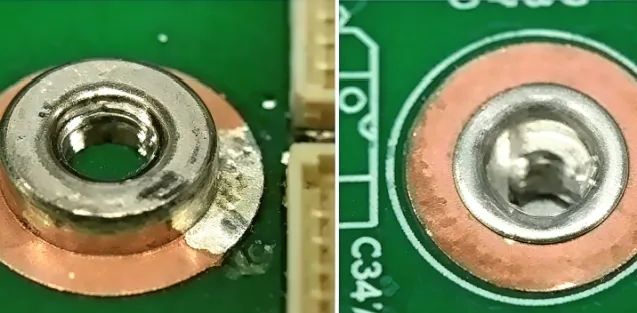
PCB level and busbars
SMT nuts, high-current terminals and super screws form reliable threads on the board.
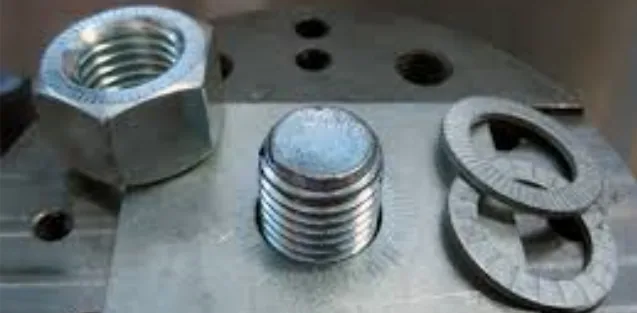
Panels and service openings
Captive screws keep the screw attached after the panel comes off, so nothing falls into the air duct.
Selection know-how: the three fastening tracks in a liquid-cooled rack
Written for server structural and process engineers: where the acceptance points lie on each of the three tracks — liquid cooling, sheet metal and board level.
Fastener selection for an AI server rack follows three separate tracks: the liquid cooling loop is judged on sealing and flow resistance, the sheet-metal enclosure on fastening, grounding and ingress protection, and the PCB on conduction, thread and SMT compatibility. The acceptance criteria differ, so one set of talking points will not cover all three.
1. Liquid cooling loop: fix the quick-connect type first, then the sealing class
In a liquid cooling loop the joints cause trouble, not the cold plate itself. A UQD coupling has three core requirements:Drip-free(no drip at the moment of disconnection),High flow(flow resistance under control, no loss of thermal margin),Quick connect(one-handed operation during service).
Start with the pipe bore and the cold-plate interface type, then decide whether the coupling must be connected and disconnected under pressure. The manual defines UQD as a quick, sealed connection between cold plate and pipework that supports efficient heat removal and easy servicing — and easy servicing is exactly where many designs pass on paper and fail on site.
2. Sheet-metal enclosure: fastening, grounding and water resistance are accepted separately
Fastening uses clinch nuts and studs plus blind rivet nuts and rivets; grounding uses clinch grounding terminals, accepted on contact resistance rather than on whether a part was fitted; water resistance uses sealed clinch studs and pre-coated blind rivet parts, rated in the manual as sealing up to IP68.
For enclosures with tight flatness requirements, use flat-head rivets rather than standard rivets — this shows up most clearly on large thin panels, where a protruding rivet head directly affects cover fit and EMC contact.
3. PCB level: conduction, thread and manufacturability
Tin-plated copper nuts and small plates are soldered to the board to form a thread connection and provide a standoff; high-current terminals carry both conduction and thread, with pre-applied adhesive on the internal and external threads for locking; multilayer boards are joined with super screws, and board-to-sheet-metal joints use the same family.
Manufacturability is often overlooked: all of these parts can be producedTape & reel, so parts go straight onto the SMT line instead of being hand-soldered afterwards. The larger the volume, the clearer the difference.
4. Verification: turning “water resistance” into a standard number
Ingress protection to IEC 60529 for the ruling; automotive or outdoor cases may also refer to ISO 20653; salt spray to ISO 9227 neutral salt spray; mechanical properties of threaded parts to ISO 898-1(steel) or ISO 3506(stainless steel).
“Up to IP68” is a capability of the part, not a conclusion about your enclosure. Whether the enclosure reaches it depends on hole quality, press process and assembly torque, and must be verified on the complete rack — stating this clearly in a design review is more professional than promising a number.
A total-cost optimisation partner from prototype design to after-sales
Six professional services cover selection, samples, validation and volume ramp-up, turning "will this screw work" into a verifiable engineering conclusion.

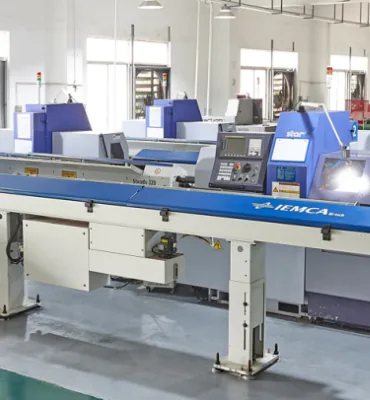
Fast engineering samples
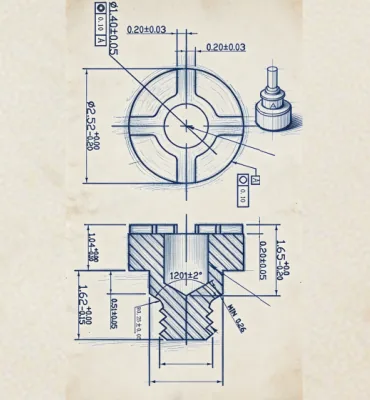
Professional training
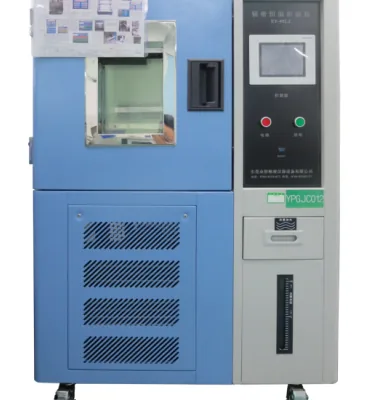
Professional testing services
Professional design consulting
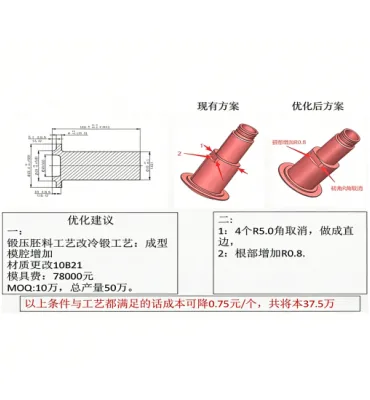
Continuous process optimisation
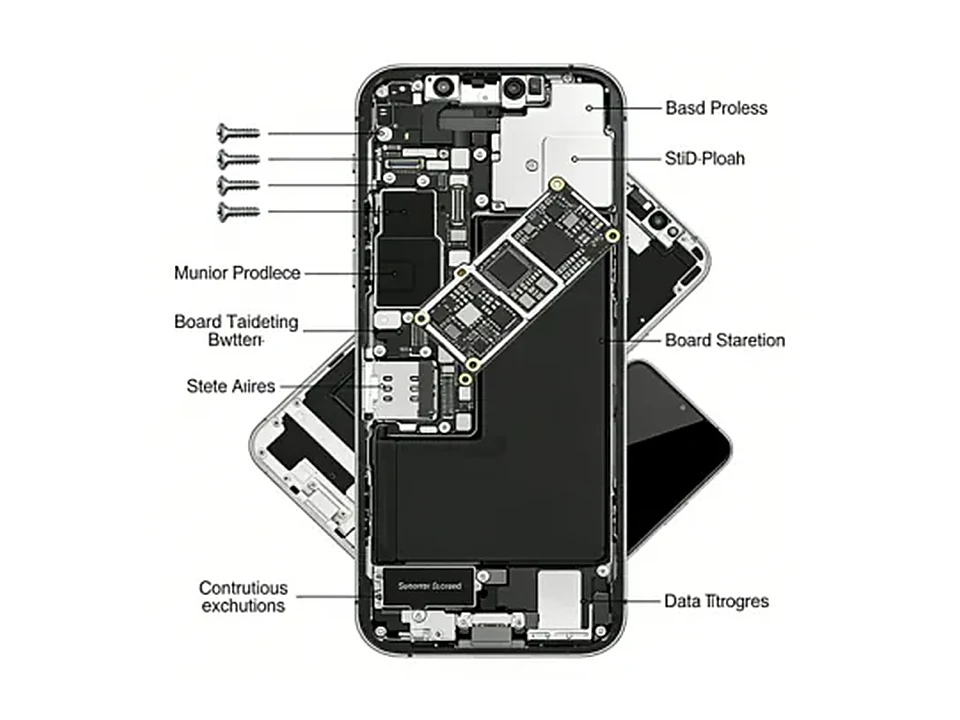
Professional teardown analysis
From rack drawing to production parts, five steps
Liquid cooling parts and sheet-metal parts run on different schedules, so both tracks can proceed in parallel.
Interface and application inputs
Give us pipe bore, sheet thickness, ingress protection and maintenance method, together with the rack drawing.
Track-by-track selection
Specify parts separately for the three tracks — liquid cooling, sheet metal and board level — so that one BOM does not mix standards.
Fast engineering samples
We produce samples for assembly and interference checks, with connect and disconnect plus pressure-hold testing for liquid cooling parts in parallel.
Complete-rack verification
IP rating, ground resistance and salt spray are judged on the complete rack against the standard, not from a single-part report.
Mass production and process optimization
During ramp-up, tape & reel packaging and the press process window are locked down together.
Five questions that come up in liquid cooling and rack projects
Which specification matters most when selecting a UQD coupling?
Sealed clinch stud or pre-coated blind rivet — which one for a water-tight enclosure?
What is the difference between a grounding terminal and a standard clinch nut?
Why use SMT parts on a PCB instead of standard nuts?
Are captive screws optional in a server?
Other industries under “Industry Solutions”
Continue below
Send us the rack or liquid cooling loop drawing
Send pipe bore, sheet thickness and ingress protection requirements, and we will advise along all three tracks; where complete-rack verification is needed, we arrange samples and testing at the same time.