
Lightweight fastening solutions|Aluminium replacing steelThread reinforcement for soft substratesThread forming
Swap steel parts for aluminium ones and the weight comes down, but the trouble is only starting: thread strength is halved, walls get thinner, dissimilar metals start to fight. The fastening cost of lightweighting is not in the bolt itself but in two questions: how a soft substrate grows a reliable thread, and how a thin wall avoids welding. The specifications on this page cover both main lines — thread reinforcement and aluminium replacing steel.

Five problems appear together after lightweighting
Weight saving is not just a material swap; it brings a chain of knock-on problems. Each item below can be traced to a product page or a technical article.
Aluminium and magnesium thread strength cannot carry steel bolt preload
The tensile strength and hardness of aluminium and magnesium alloys are far below steel, so a thread of the same size carries much less axial load. Driving a steel bolt into an aluminium part commonly ends in 'the thread strips before the torque reaches its design value' or 'the thread wears out after a few assembly cycles'. This is not a bolt problem but a substrate problem — which is why the first move in a lightweight structure is usually to add a thread insert rather than change the bolt.
Three routes for inserts; the wrong one wastes the installation
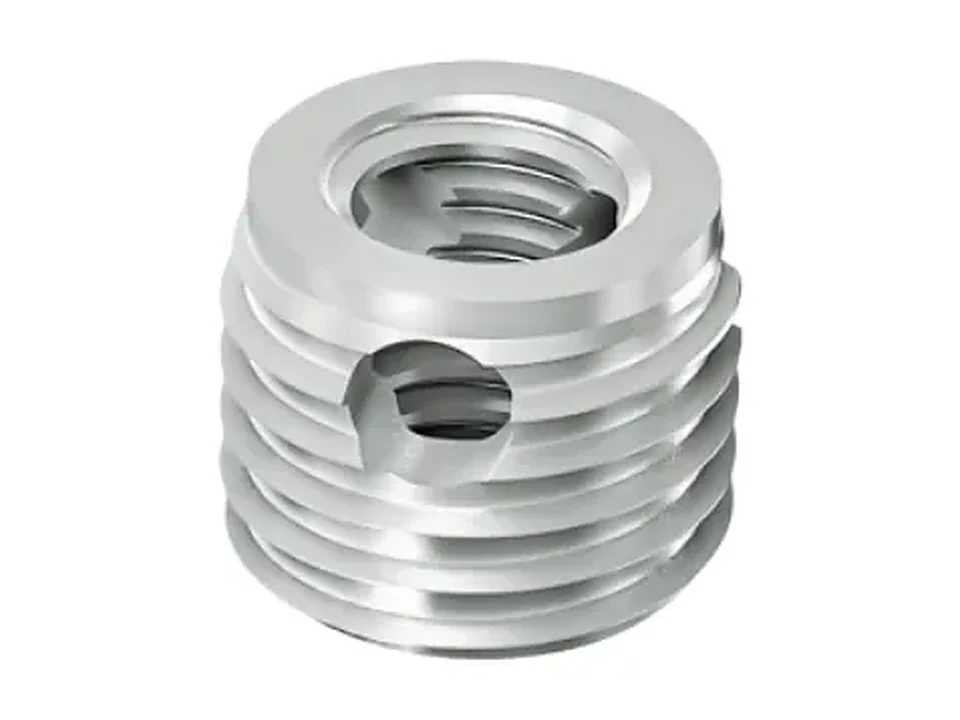
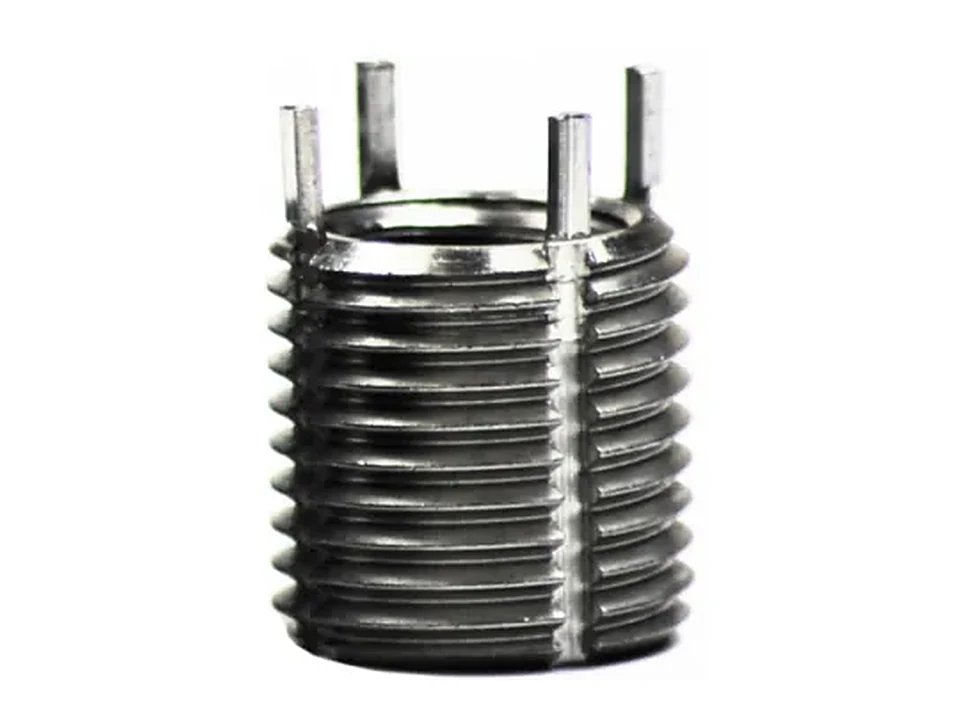
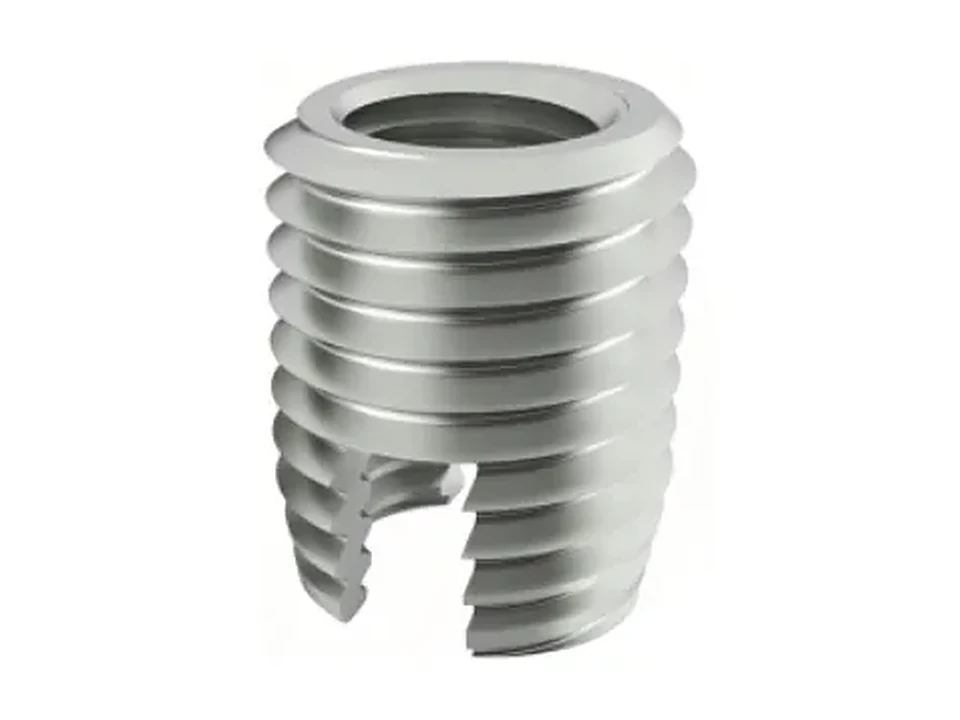
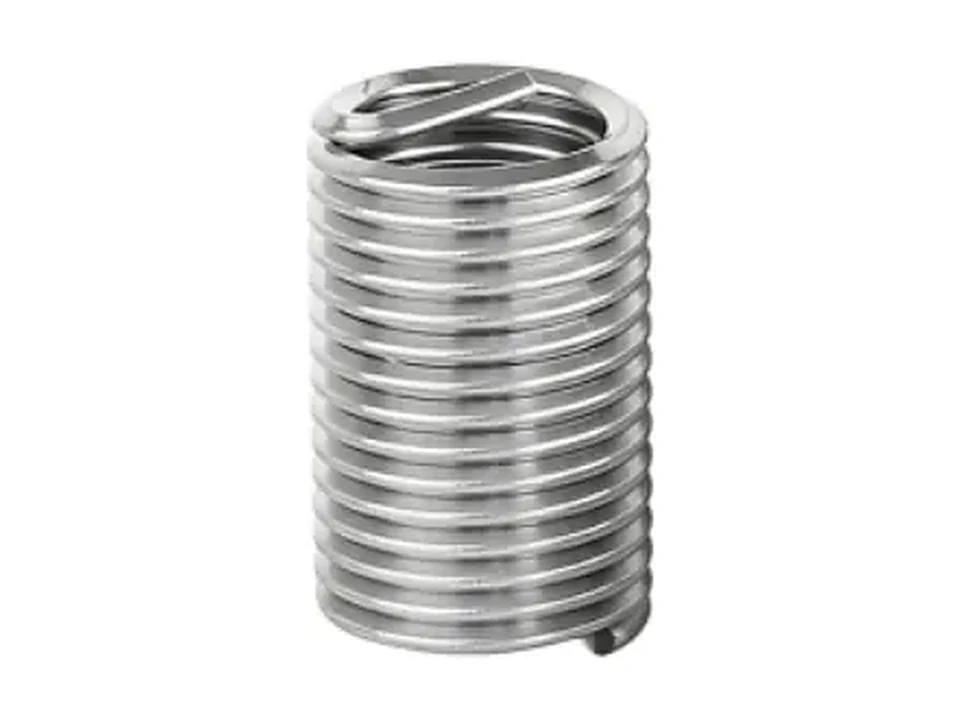
Wire thread inserts are 'fitted into an already tapped hole' and hold by elastic expansion; the advantages are a wide size range (M2-M39) and a choice of temperature- and corrosion-resistant materials (SUS304/316, phosphor bronze, INCONEL). Self-tapping inserts (302 slotted type, 308 three-hole type) 'cut their own thread without pre-tapping', saving one operation and suiting plastics and aluminium-zinc die castings; key-locking inserts are locked by keys, resist rotation and reduce the risk of being pulled out with the bolt, suiting soft substrates that are disassembled frequently.
The key to aluminium replacing steel is stiffness, not strength
ZT68 reaches about 630 MPa tensile strength, close to some alloy steels on paper, which is easily misread as 'a one-to-one replacement'. The real difference is Young's modulus: aluminium is about one third that of steel. At the same clamping force an aluminium bolt stretches more, the torque-preload curve is flatter and more sensitive to friction scatter; shear and stripping resistance are also lower, so the engagement length must be increased.
Thread forming saves an operation and changes the failure mode
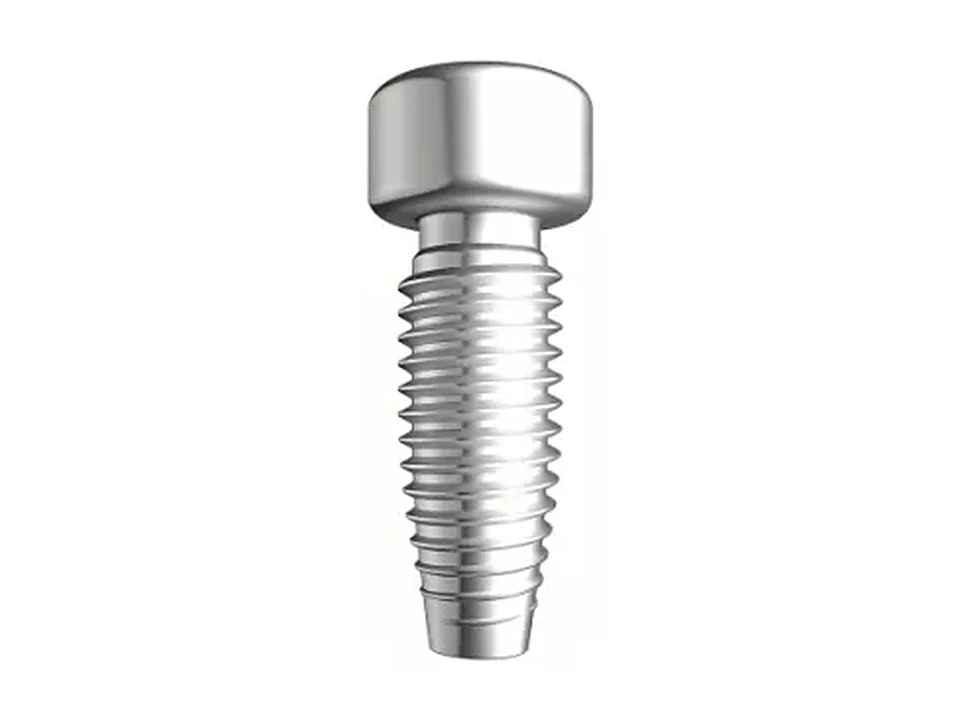
Trilobular thread-forming screws cut directly into light-alloy die castings; the interference fit of the lobes forms the thread and provides anti-loosening, removing the pre-tapping operation. The cost: the thread is formed by plastic deformation of the substrate, so the number of assembly cycles is limited; the forming process displaces a small amount of material, which is a deformation risk on thin walls; and the torque window is narrower than with a machined thread. It suits volume parts that are assembled once and rarely opened.
Thin-wall joints: avoid welding wherever possible
Lightweighting inevitably brings thin walls: 1.0-1.5 mm aluminium sheet, 2 mm cast ribs. Welding distorts thin walls, ruins the anodized layer and leaves residual stress in the heat-affected zone. The alternative is clinching and blind riveting — put the thread on the fastener and hold it by mechanical interlock, without introducing heat. This is exactly the same logic as on the sheet-metal page.
All specifications, two main lines: reinforce the thread, change the material
Thread reinforcement solves 'a soft substrate cannot grow a good thread'; aluminium replacing steel solves 'steel parts are too heavy'. Each card leads to the product page; material, size range and installation method are as stated there.
Thread reinforcement: giving a soft substrate a hard thread
4 SKUsAluminium, magnesium and zinc alloys and plastics do not provide enough thread strength; driving a steel bolt straight in strips the thread or wears it out. The four technical routes each have limits: wire thread inserts sit in a tapped hole and hold by elastic expansion, covering M2-M39 with temperature- and corrosion-resistant material options; 302 slotted and 308 three-hole self-tapping inserts cut their own thread without pre-tapping; key-locking inserts are locked by keys, resist rotation and do not come out with the bolt.
Aluminium replacing steel and thread forming
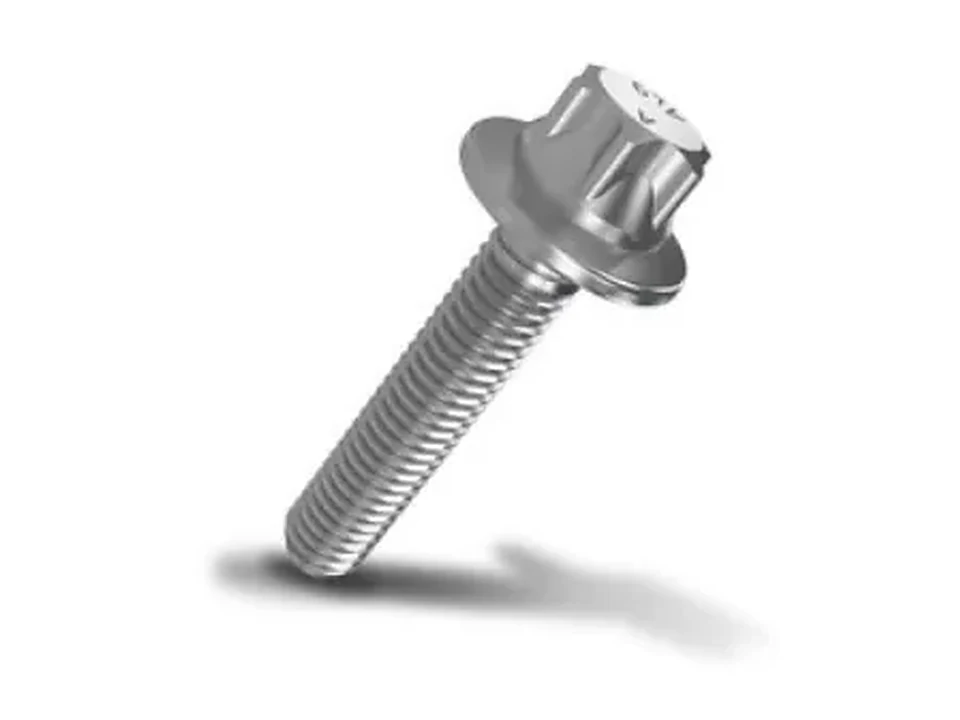
2 SKUsZT68 aluminium alloy bolts reach about 630 MPa tensile strength at roughly one third the density of steel, and are used for weight-saving joints in magnesium-aluminium structures, where belonging to the same light-metal family also weakens galvanic corrosion; trilobular thread-forming screws cut directly into light-alloy die castings, removing pre-tapping and achieving anti-loosening through interference fit, which suits volume parts assembled in one pass.
Four of the most typical lightweight joint locations
Die-cast structural parts, battery packs, portable devices, thin-wall housings — the weight-saving margin differs, and so does the fastening strategy.
Aluminium and magnesium die-cast structural parts
Threads in die castings are 'cast in' and are less dense and less accurate than machined holes, so driving a bolt straight in is the quickest way to strip them. Machine an installation hole and fit an insert: wire thread inserts suit applications needing temperature and corrosion resistance, key-locking inserts suit maintenance points that are opened frequently.
Traction battery packs and trays
Enclosures aim for low weight and are mostly built from aluminium profiles and sheet, with dense thread points that must stay watertight. The usual combination here is 'aluminium bolts + blind-riveted parts': aluminium bolts carry the structural joint, saving weight and weakening galvanic corrosion, while sealed blind-riveted parts create thread points in thin walls without welding.
Portable devices and consumer electronics
A magnesium frame, a carbon-fibre back cover and plastic brackets all meet in one product, and the thread points must be both small and durable. Use self-tapping inserts or trilobular screws in plastics, micro inserts in metal parts, and prefer inserts with a locking feature at points that are opened repeatedly, so the screw does not pull the insert out with it.
Thin-wall housings and profile frames
A 1.0-1.5 mm wall cannot be tapped, and welding burns through or distorts it. Clinching and blind riveting are the standard answer: clinching where both sides are accessible, blind riveting from one side, ultra-thin types for thin sheet. With 1.2 mm sheet, matching the part type matters in particular, otherwise the joint is not fully seated.
Selection logic for lightweight fastening
First see what the substrate is and how thick the wall is, then decide whether to reinforce the thread, change the material or change the process.
Fastening in lightweighting projects follows a strict order: as soon as the material changes, three variables move at the same time — thread strength, wall thickness and dissimilar-metal contact. Experience values from steel structures no longer apply; the problem has to be re-derived in four layers: substrate, thread, fastener, process. The six sections below follow the product clauses of our wire thread inserts, key-locking inserts, 302/308 self-tapping inserts, trilobular thread-forming screws and ZT68 aluminium alloy bolts, together with the GB/T 196 / GB/T 197 thread system and the GB/T 3190 aluminium grade system.
Step 1: understand the substrate before discussing threads
The same 'M4 thread' carries forces that differ several times over in steel plate, aluminium die castings, magnesium alloy and ABS parts. The first judgement in a lightweight structure is the substrate: aluminium and magnesium alloys are soft and plastics softer still, so both need 'reinforce first, then join'; steel can be tapped directly but offers no weight advantage.
The method is direct: look up the minimum tensile strength and hardness of the substrate material and derive the maximum permissible preload from the thread stripping strength. If the calculated preload does not meet the application requirement, an insert is mandatory rather than forcing the bolt.
- Steel / stainless substrate → direct tapping, watch corrosion protection
- Aluminium, magnesium, zinc alloys → prefer insert reinforcement (wire thread insert / key-locking / self-tapping insert)
- Engineering plastics → self-tapping inserts or trilobular thread-forming screws
- Thin wall (<1.5mm)→ 压铆 / 拉铆,不做攻丝
Step 2: the limits of the three insert types
Wire thread inserts are 'tapped first, then fitted': the insert is a spring-like sleeve wound from stainless wire with a diamond cross-section; once fitted, its outside diameter presses into the tapped hole of the substrate and the bore forms a standard thread. The advantages are a wide size range (M2-M39), selectable materials (SUS304/316, phosphor bronze, high-temperature INCONEL) and selectable finishes (lubricated, tin-plated, zinc-plated, silver-plated); the drawback is that installation needs special tools and a correct pilot hole.
Self-tapping inserts (302 slotted type, 308 three-hole type) cut their own thread: the 302 uses cutting edges formed by the slots, the 308 evacuates chips through three holes. One operation is saved and the part suits plastics and aluminium-zinc die castings; but it is more sensitive to pilot-hole tolerance — an oversize hole gives too little pull-out strength, an undersize hole will not take the screw or cracks the substrate. Key-locking inserts, by contrast, are locked by keys and solve the old problem of the insert coming out together with the bolt, which suits locations with frequent maintenance.
Step 3: aluminium replacing steel must be recalculated for stiffness
ZT68 reaches about 630 MPa tensile strength and a density of roughly one third that of steel — these two numbers make it suitable where 'strength is sufficient and weight is critical', not where 'more strength is always better'. What really has to be recalculated is stiffness: with Young's modulus at about one third of steel, the same clamping force needs a larger elongation and the slope of the torque-preload curve is flatter.
The engineering approach is to calculate the preload limit of an aluminium bolt under two conditions separately and take the lower value: thread stripping (aluminium has low thread strength, so engagement length must be increased) and bearing-surface collapse (aluminium surfaces are soft, so a washer is needed to spread the load). The permissible external load is then derived backwards from that limit, and only then is the assembly torque written down.
Step 4: where thread forming applies
Trilobular thread-forming screws cut directly into light-alloy die castings; the interference fit of the lobes forms the thread and provides anti-loosening at the same time, removing the pre-tapping operation and the equipment for it. The advantage shows in volume: the cost and cycle time of tapping part after part disappear.
The limits are three: a restricted number of assembly cycles (each cycle wears the plastically formed thread), a deformation risk on thin walls, and a narrower torque window than a machined thread. It therefore suits positions that are not opened after assembly; for maintenance points an insert is still the safer choice.
Step 5: the two red lines for thin walls and dissimilar metals
First red line: do not tap thin walls, and avoid welding them. Plates below 1.5 mm cannot take a reliable tapped thread, and welding distorts the part and destroys the surface finish; clinching and blind riveting are the better answer, and they work from one side. Second red line: dissimilar-metal contact must be assessed for galvanic corrosion. Aluminium bolts into magnesium parts, steel bolts into aluminium parts, carbon fibre against any metal — all need a potential-difference check or isolation.
These two red lines are easily overlooked early in a project, and when they surface at prototype stage the structure usually has to change — far more expensive than choosing the right part from the start.
Step 6: What to Put in the Acceptance Criteria
For inserts: pull-out resistance, torsional resistance, go/no-go thread gauging and face flushness after installation; self-tapping inserts also need a check that chips are cleared. For bolts: mechanical properties to the property classes of GB/T 3098.1, and for aluminium bolts a grade check to GB/T 3190 and an anodizing check to GB/T 8013.
At device level: preload decay (re-measured after vibration or thermal cycling), whether the joint face opens, and corrosion at dissimilar-metal contacts. Weight saving is recorded by actual weighing, not converted from theoretical density — inserts, washers and coatings all count.
A total-cost optimisation partner from prototype design to after-sales
Six professional services cover selection, samples, validation and volume ramp-up, turning "will this screw work" into a verifiable engineering conclusion.

Fast engineering samples
Professional training
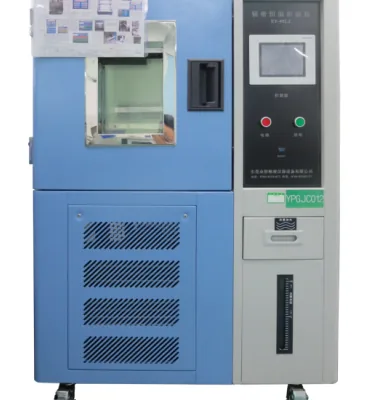
Professional testing services
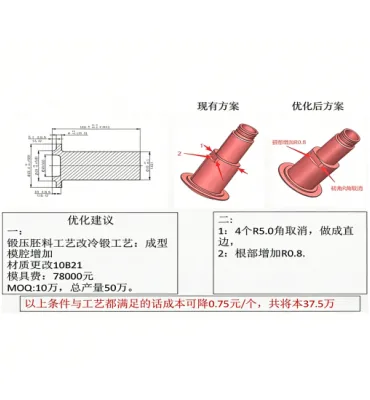
Professional design consulting
Continuous process optimisation
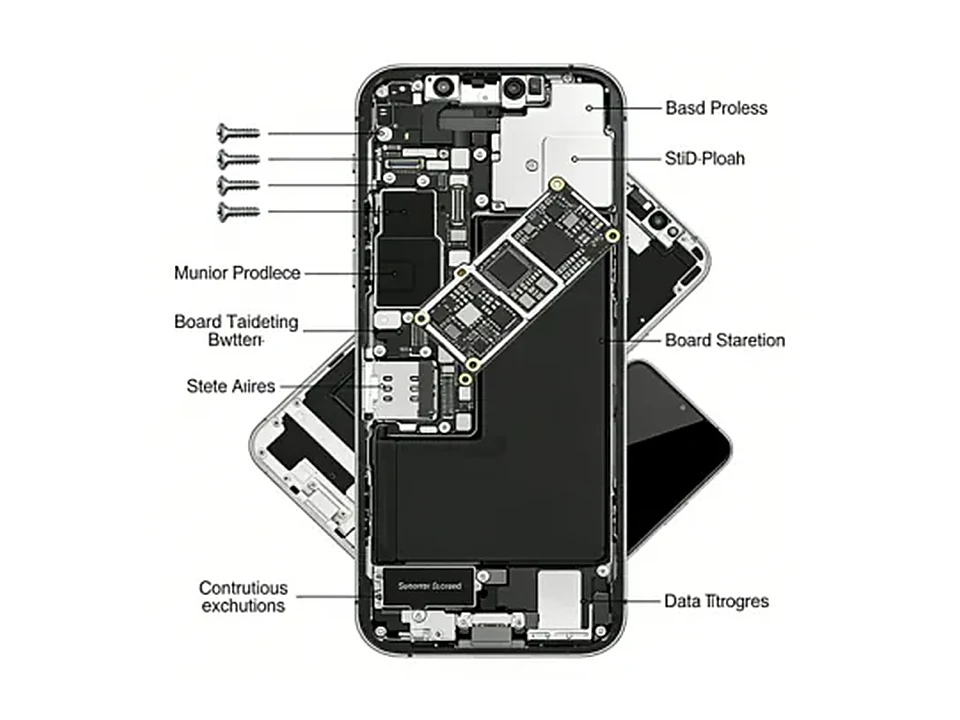
Professional teardown analysis
From substrate assessment to weight verification
Validation of lightweighting has to look at both 'is the joint reliable' and 'how much weight was actually saved' — both need data.
Substrate and wall thickness check
Confirm material grade, hardness, minimum wall thickness and thread position, and decide whether an insert is needed or whether to switch to clinching/blind riveting.
Thread solution selection
Choose wire thread inserts, self-tapping inserts, key-locking inserts or thread-forming screws by substrate and assembly frequency, and define the pilot hole and installation tool.
Preload recalculation
Calculate the preload limit from two conditions — substrate thread strength and bearing-surface collapse — and rewrite the assembly torque.
Joint and corrosion validation
Run pull-out, torsion, go/no-go thread gauging and preload re-measurement after vibration; for dissimilar-metal areas, salt spray to GB/T 10125.
Weight verification
Weigh in the actual assembled state, including inserts, washers and coatings, compare with the target and record where the deviation comes from.
Frequently asked questions on lightweight fastening
Can a steel bolt be driven straight into an aluminium part?
Wire thread insert or self-tapping insert — which one?
What if the insert comes out together with the bolt?
Can ZT68 aluminium alloy bolts be tightened to steel bolt torque?
Can trilobular thread-forming screws be reassembled?
How are thin-wall parts joined after lightweighting?
Continue below
Send us the substrate material and weight target, and we will specify by thread strength
Send us the substrate grade and hardness, wall thickness, thread size, assembly frequency and target weight saving; we will decide whether to reinforce the thread or change the material, and propose samples that can actually be supplied together with the validation items.