
Magnesium Galvanic Corrosion Fastener Manufacturer|Coating + Aluminum Alloy Fastener Solutions
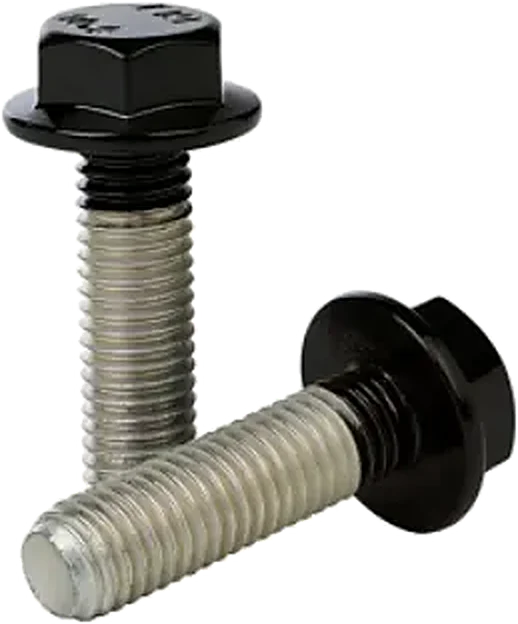
Magnesium is electrochemically active and corrodes readily when it touches steel fasteners. YF ZCJ offers two routes: galvanic-isolation coated fasteners that break the potential difference, or 600 MPa high-strength aluminum alloy bolts that remove it at the material level — long-term corrosion protection for magnesium die-castings.
Why Choose YF ZCJ Magnesium Galvanic Corrosion Solutions
Material-level route
Aluminum bolts sit close to magnesium in potential — inherently corrosion-safe
Coating isolation
Coated fasteners block the electrolyte path
Matched kits
Bolts, washers and coating supplied as one system
Salt-spray verified
Backed by neutral salt-spray test data
Lightweight as well
The aluminum route also cuts weight
Made to your part
Solutions tailored to the part structure and service conditions
Magnesium Galvanic Corrosion Protection Products (2 models)
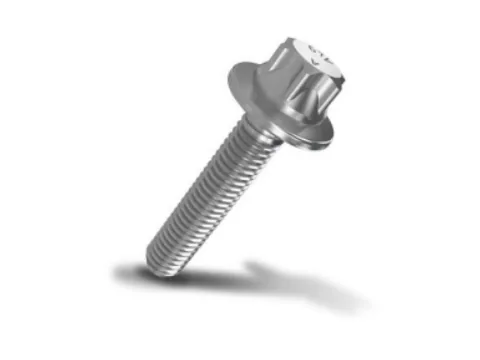
High-Strength Aluminum Alloy Bolts
Our high-strength aluminum alloy bolts are engineered to deliver exceptional mechanical performance combined with superior corrosion resistance. Specifically developed ...
Details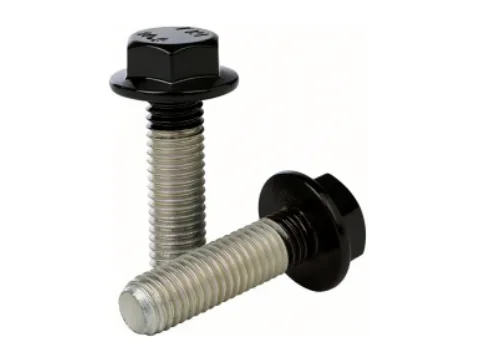
Specialized Anti-Corrosion Bolts for Magnesium Alloys
Our high-performance magnesium alloy bolts feature a specialized anti-corrosion protective coating specifically engineered for multi-material assemblies. By utilizing ...
DetailsMagnesium Galvanic Corrosion Protection Selection Guide
1. Choosing a route
Where joint strength and cost dominate, choose coated steel parts; where weight saving and corrosion resistance both matter, choose aluminum bolts.
2. Washer isolation
Either way, add insulating washers or sealing rings to isolate the crevice for better results.
3. Environment review
Humid and salt-fog environments (coastal, vehicle underbody) need a higher corrosion class.
4. Tightening control
Tighten aluminum bolts to the recommended torque; on coated steel, avoid over-torqueing that scratches the coating.
5. Verification
Validate with salt-spray plus galvanic-corrosion accelerated testing matched to the actual service conditions.
Typical Applications
Magnesium die-cast parts
Magnesium housings for notebooks and projectors
Automotive lightweighting
Magnesium steering-wheel frames and brackets
Drones / UAV
Magnesium airframe structural parts
Aviation equipment
Lightweight magnesium components
Sports equipment
Magnesium equipment joints
Power tools
Magnesium housings and gearboxes
Magnesium Galvanic Corrosion Protection FAQ
Q1Why does magnesium suffer galvanic corrosion?
Magnesium is the most active common structural metal: in contact with a more noble metal such as steel and with an electrolyte present, magnesium becomes the anode and corrodes rapidly. Protection means isolating the potential difference or blocking the electrolyte.
Q2Coating or aluminum bolts — which should I choose?
Coated steel parts cost less and are stronger, suited to general corrosion protection. Aluminum bolts remove the potential difference at the source and save weight, which suits lightweighting and high corrosion requirements.
Q3Are aluminum bolts strong enough?
ZT68 high-strength aluminum alloy bolts reach the 600 MPa tensile class, covering the joint loads of most magnesium structural parts.
Q4Is extra protection still needed?
We recommend insulating washers and face seals to block electrolyte in the crevice and raise the protection level further.
Q5How many hours of salt spray can it pass?
Depending on the route, several hundred to over a thousand hours of neutral salt spray; testing can follow your standard.
Q6Can you supply a complete assembly-level solution?
Yes. Share the magnesium part drawings and service conditions and we will propose a full fastener, washer and coating package.
Need the full catalog or custom magnesium galvanic protection to drawing?
Send specifications, drawings or application details for selection advice, test reports and a fast quote — direct to our sales lead.