
Humanoid robot fastening solutions|Joints / dexterous hands / frames | lightweight and locking at the same time
The fastening problem in humanoid robots is not whether the joint is strong enough, but that light, stiff and staying tight are three mutually exclusive goals: saving weight means aluminium, magnesium or titanium, and aluminium and magnesium are prone to galvanic corrosion and thread stripping; a joint needs stiffness and must also hold preload through several reciprocating swings per second. Following the Embodied Intelligence Industry Handbook, this page puts joint parts, frame inserts, locking parts and high-strength screws into one selection logic.

Four real fastening challenges in robotics
The handbook gives explicit function definitions for joints, frames and actuators; each item below can be traced to its section.
Joint parts must carry connection, locating and rotational support at once
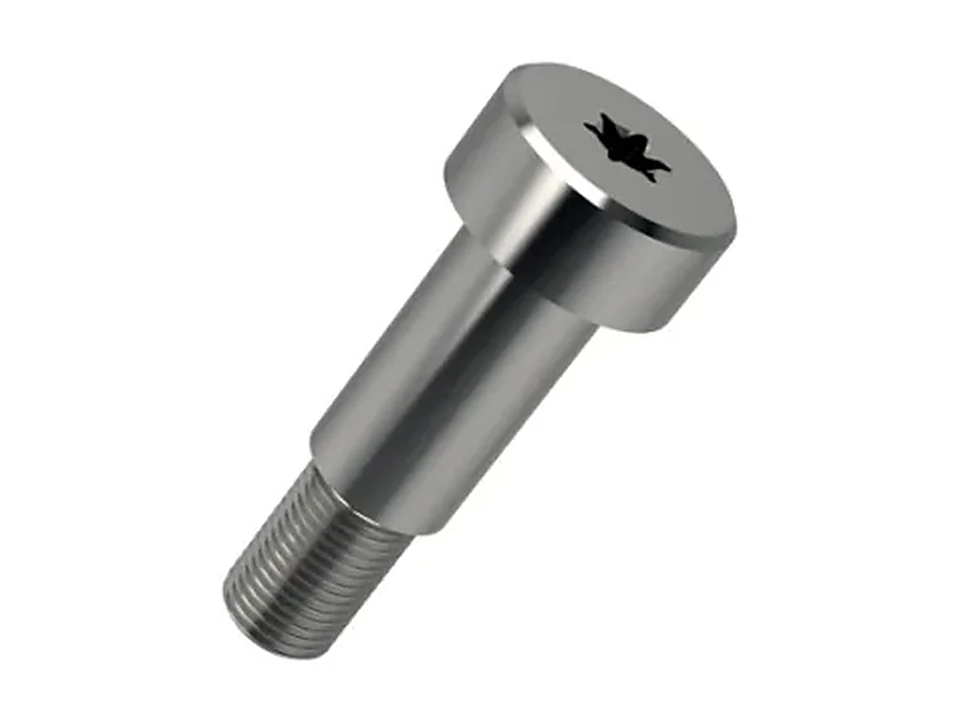
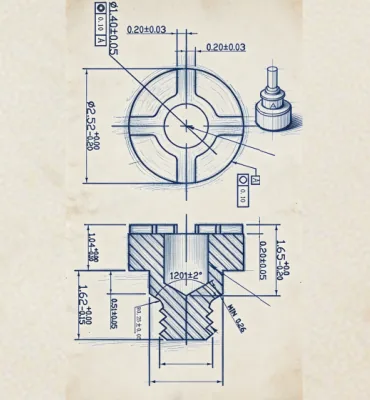
A shoulder screw is not a bolt with a plain shank added; its shoulder diameter is the locating datum and the plain shank is the rotating bearing surface. Replacing it with an ordinary bolt hands locating accuracy to thread clearance, and once several degrees of freedom stack up, end-effector accuracy falls apart.
Lightweighting and galvanic corrosion protection must be solved together
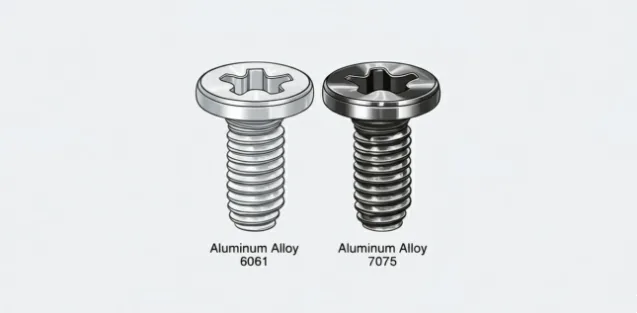
Saving frame weight leads to aluminium and magnesium, and joining those to steel parts creates a potential difference. The handbook approach is graded: class 6.8 high-strength aluminium alloy screws solve lightweighting and galvanic corrosion in magnesium joints; where more strength is needed, class 10.9 / 12.9 titanium alloy still weighs far less than steel.
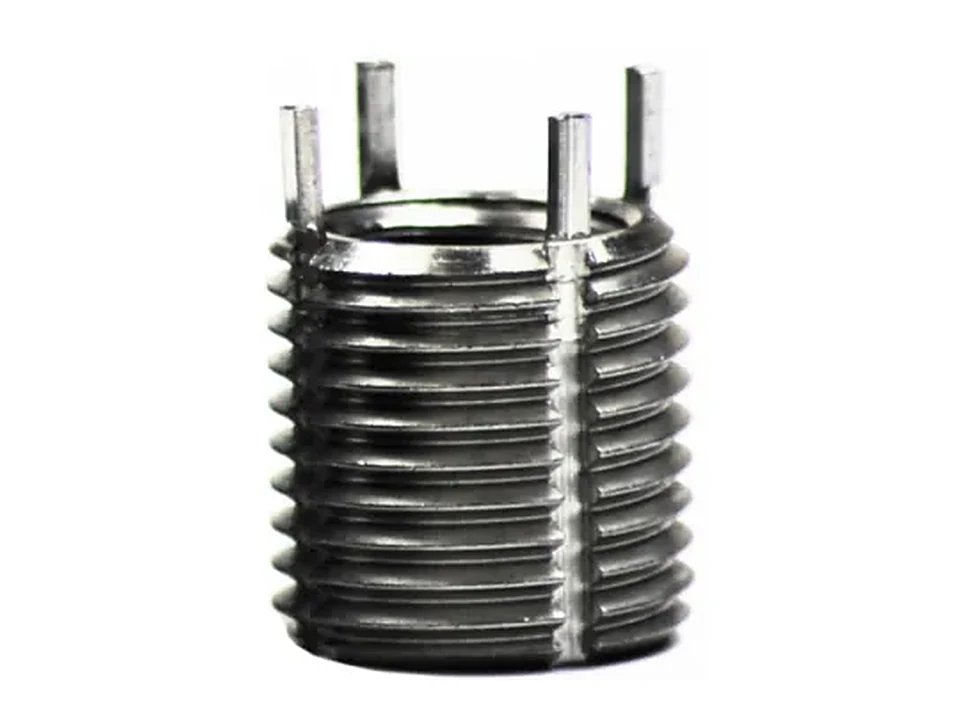
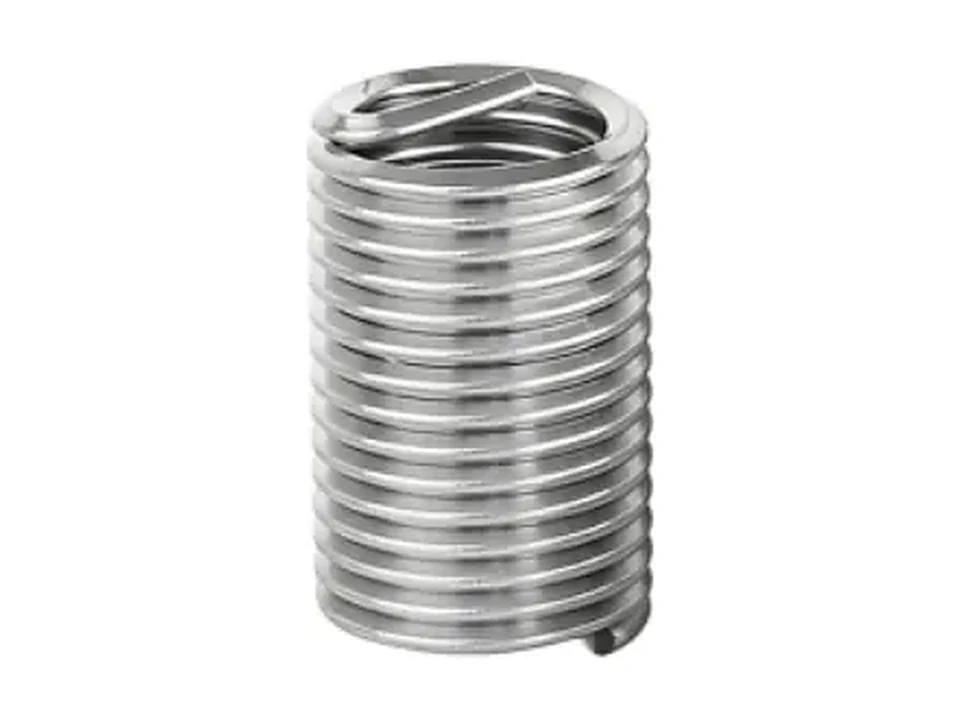
Thread inserts insure frame service life
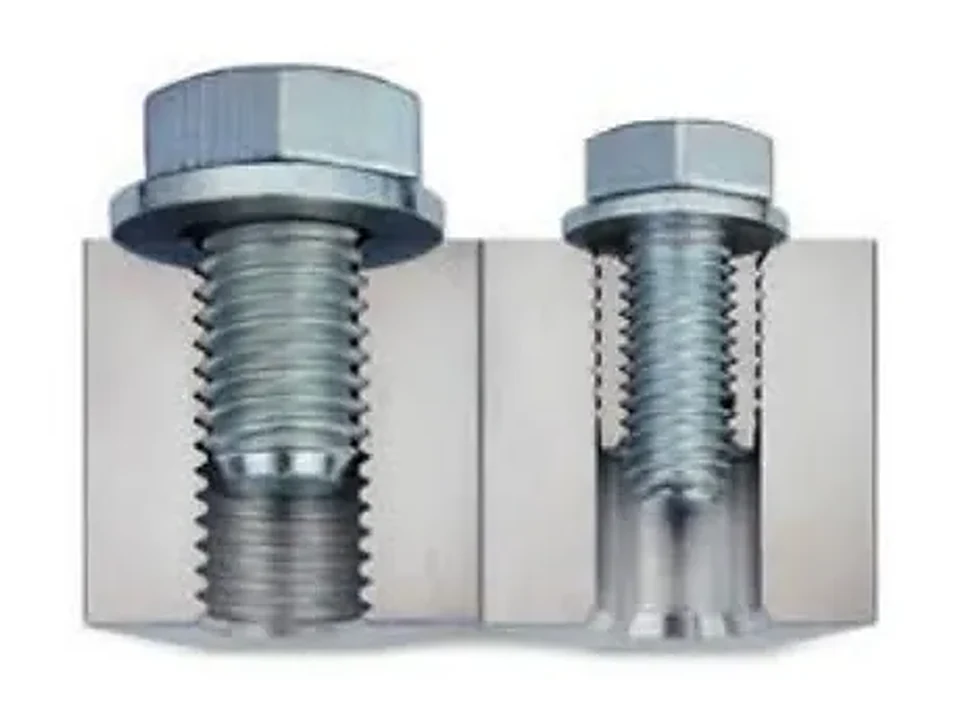
Robot frames are mostly lightweight structural parts, and tapping them directly strips the thread after repeated assembly. The value of an insert is not repairing a thread but raising joint strength and service life together - the handbook groups it as solving stripping, raising strength and extending life.
Under high-frequency swing, locking is a design item, not a patch
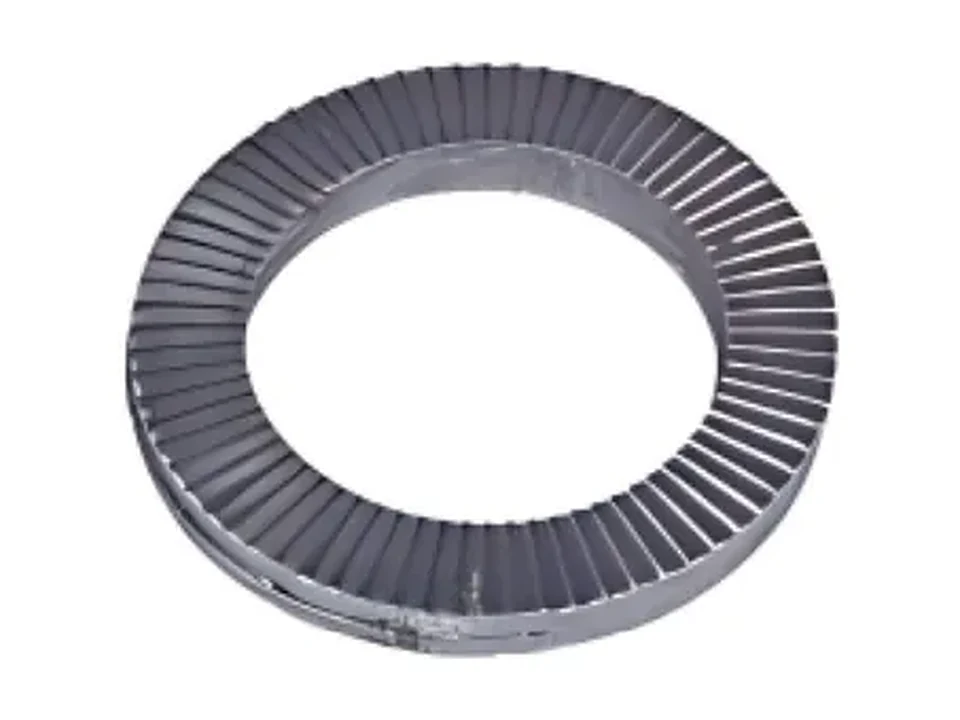
Core joints such as hip, knee and shoulder reciprocate every second, so preload loss accumulates. Locking washers, pre-applied adhesive and three-part assemblies each cover different conditions; a wrong choice does not fail at once but shows up in the later part of a life test.
All specifications, in four groups by robot location
Each card links straight to the product page; material grade, property class and sizes are as stated there. The selection logic is in M5 - if unsure, send us the joint drawing.
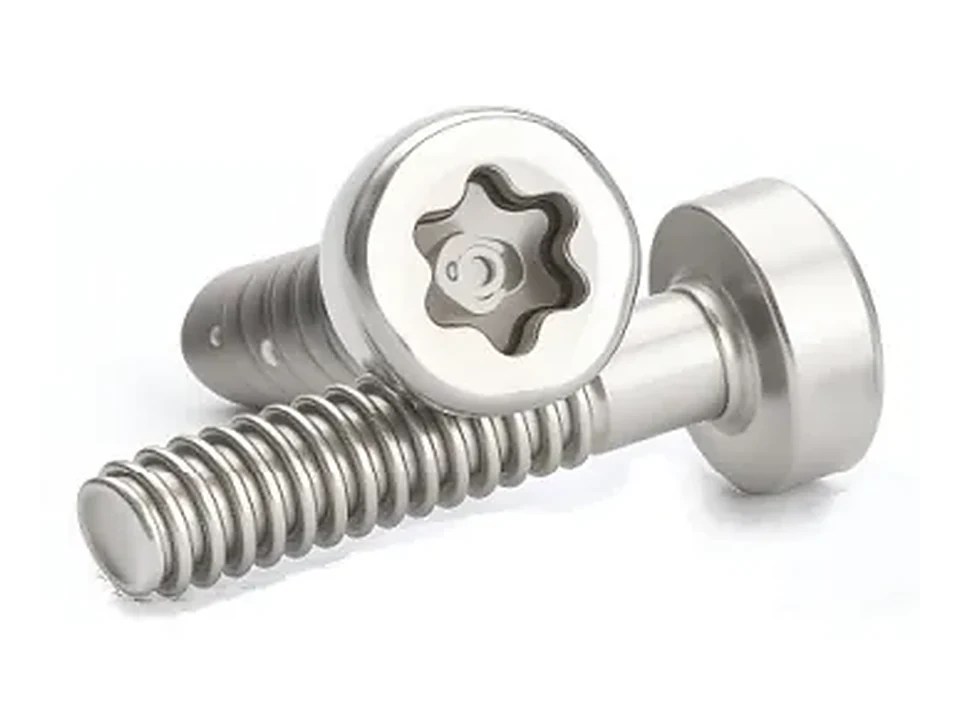
High-strength locking screws
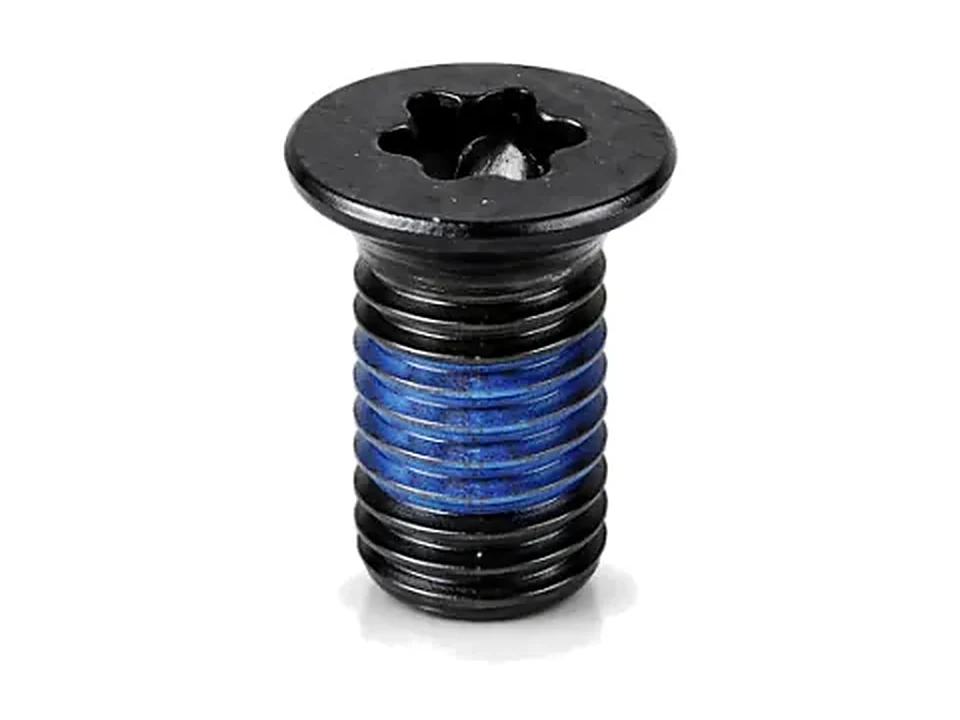
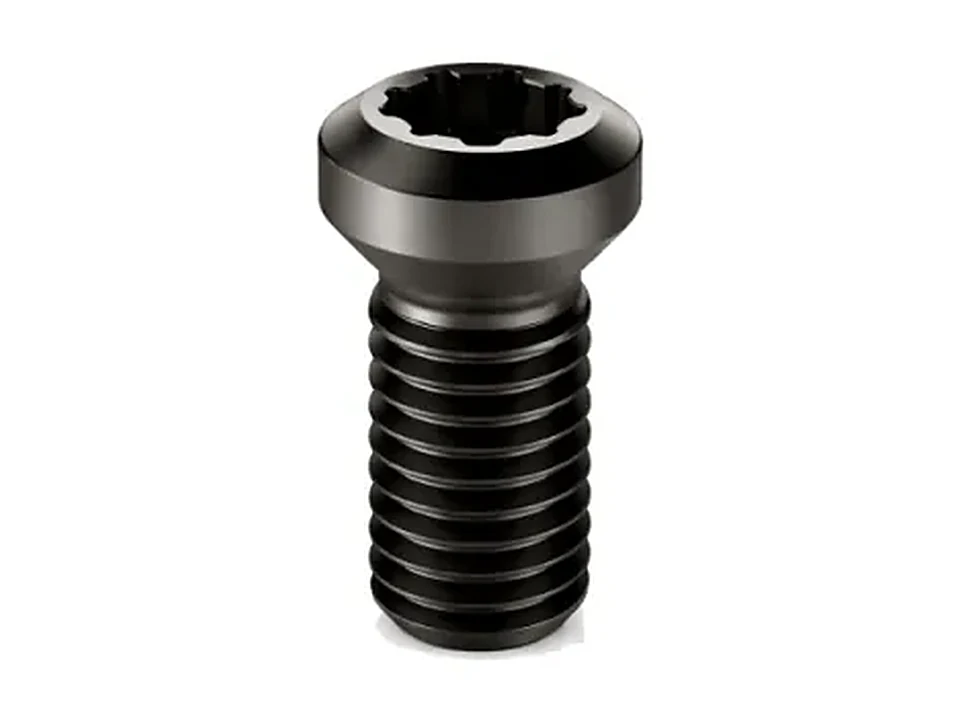
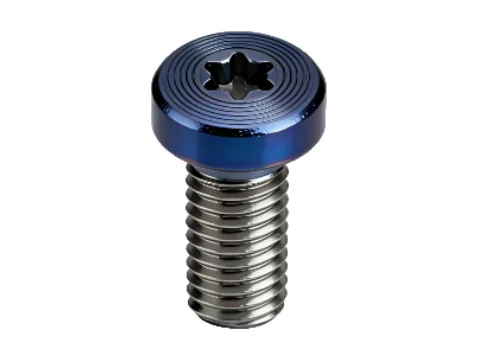
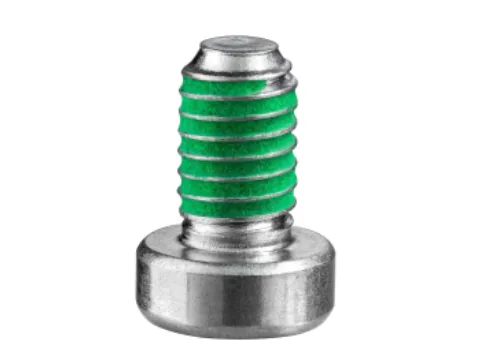
4 SKUsHigh-strength locking screws in alloy steel class 12.9 / 14.9 and titanium alloy class 10.9 / 12.9, with special threads and surface treatment; aluminium alloy class 6.8 for lightweighting and magnesium joints. Used in body and finger joints, fingertip actuators, tendon drive pulleys, sensor modules, housings and covers.
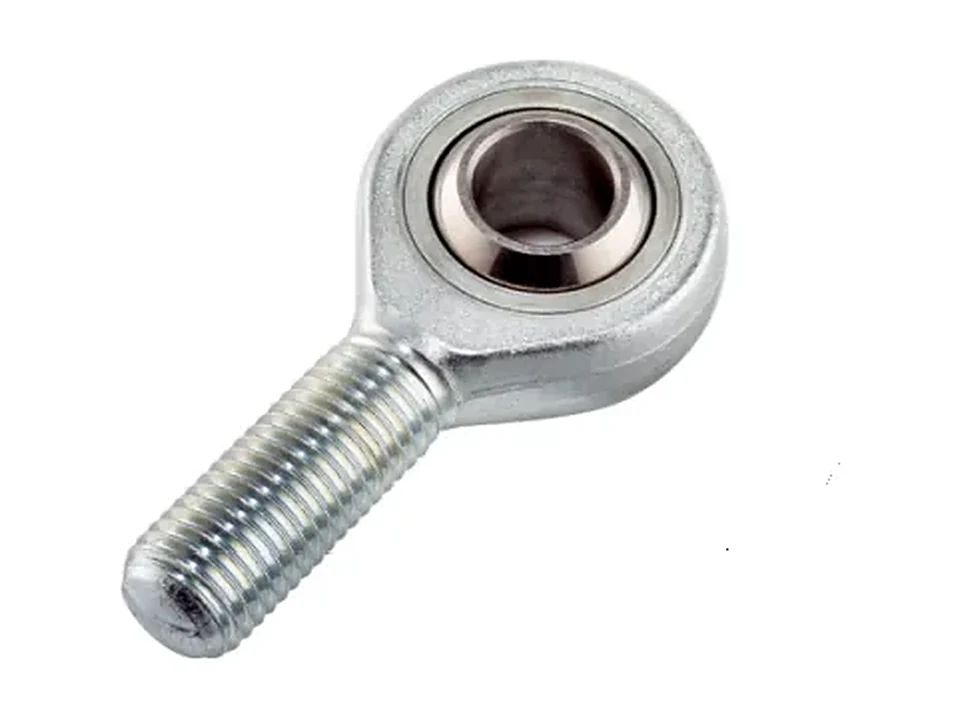
Shoulder screws & rod-end bearings
2 SKUsA shoulder screw performs three functions - connection, locating and rotational support; rod-end bearings provide compliant hinging for linear actuators and linkages, allowing controlled multi-directional swing. Used in knee / ankle joints, dexterous hands and actuator mounting.
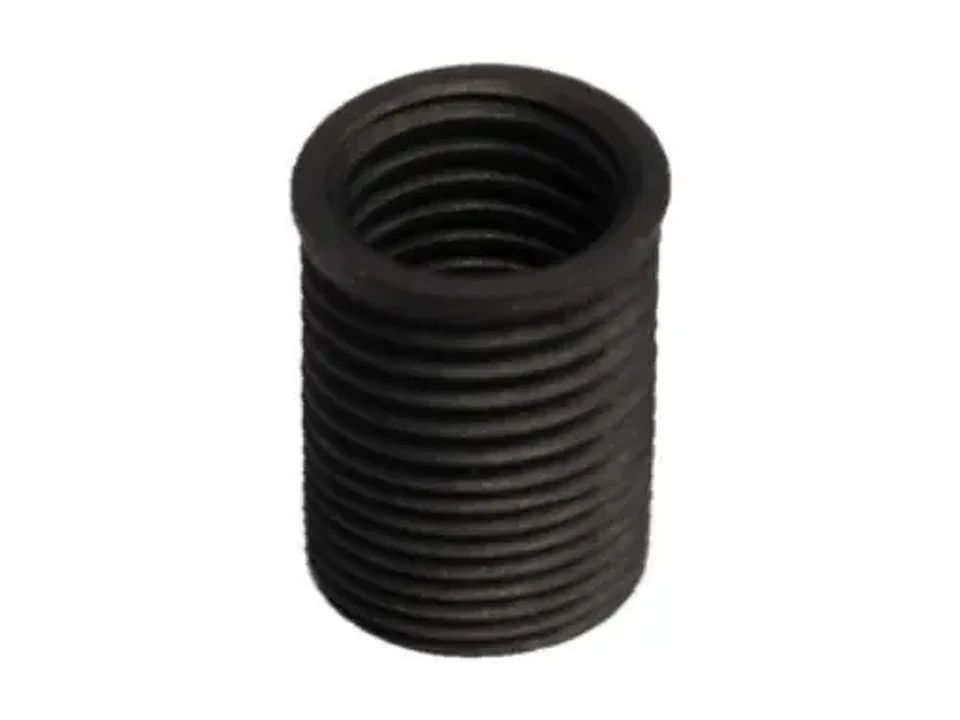
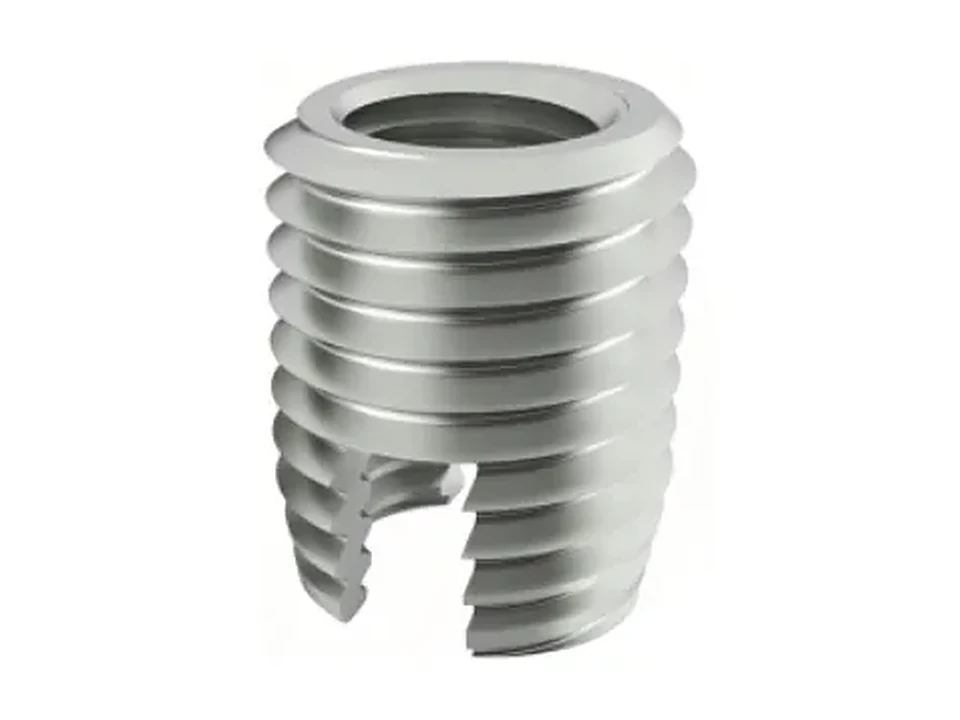
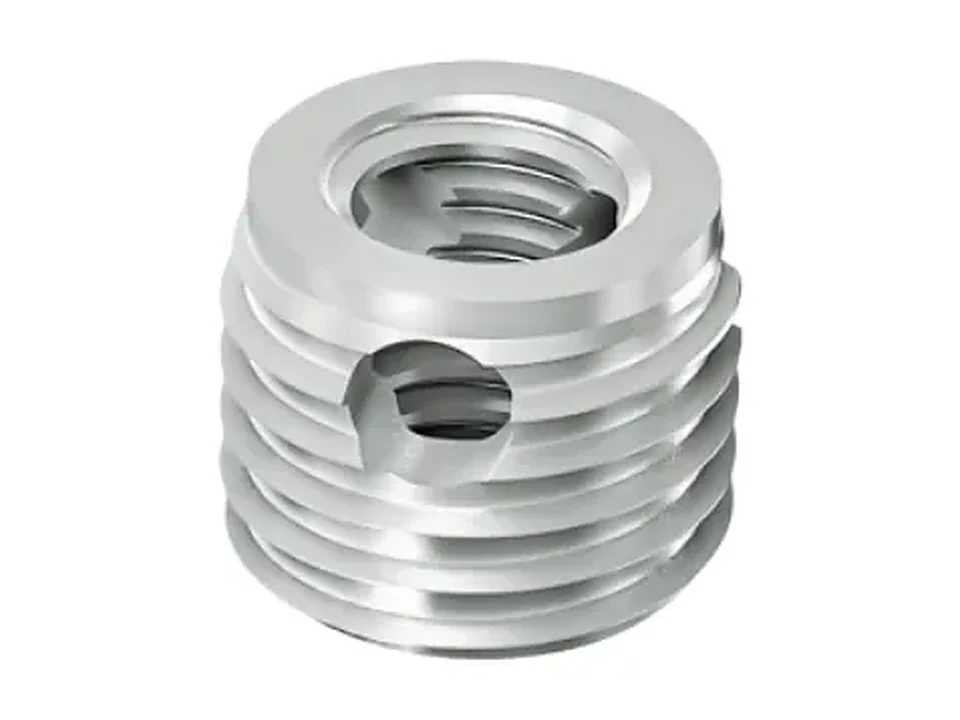
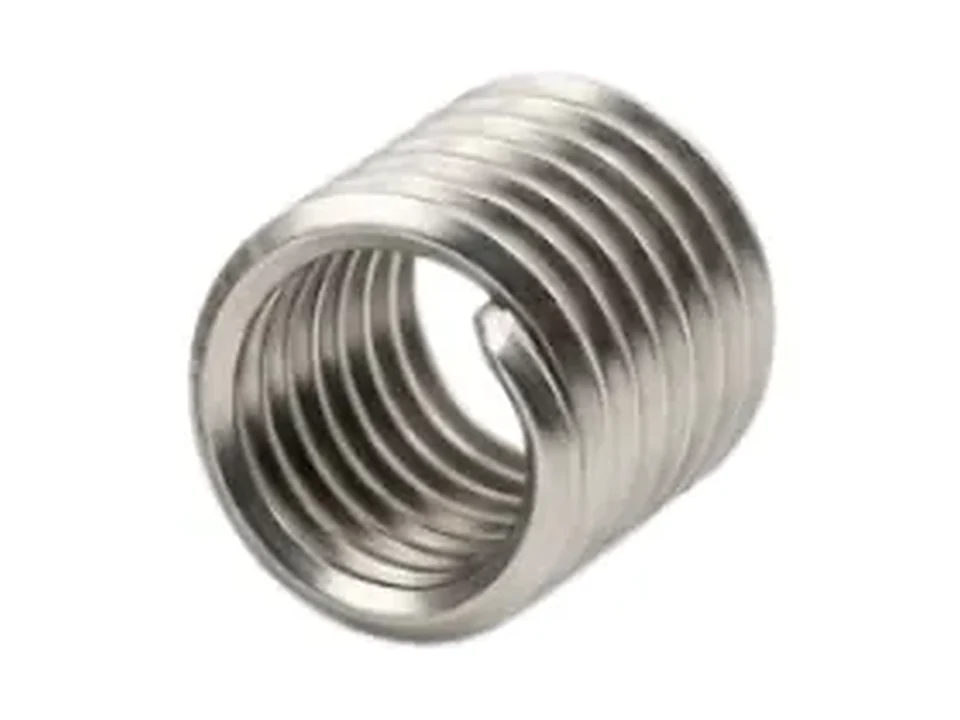
Thread reinforcement for light alloys (thread inserts)
6 SKUsReinforces the threaded connection of lightweight structural parts, solving stripping, raising joint strength and extending service life. Used in torso frames, arm frames and leg load-bearing structures.
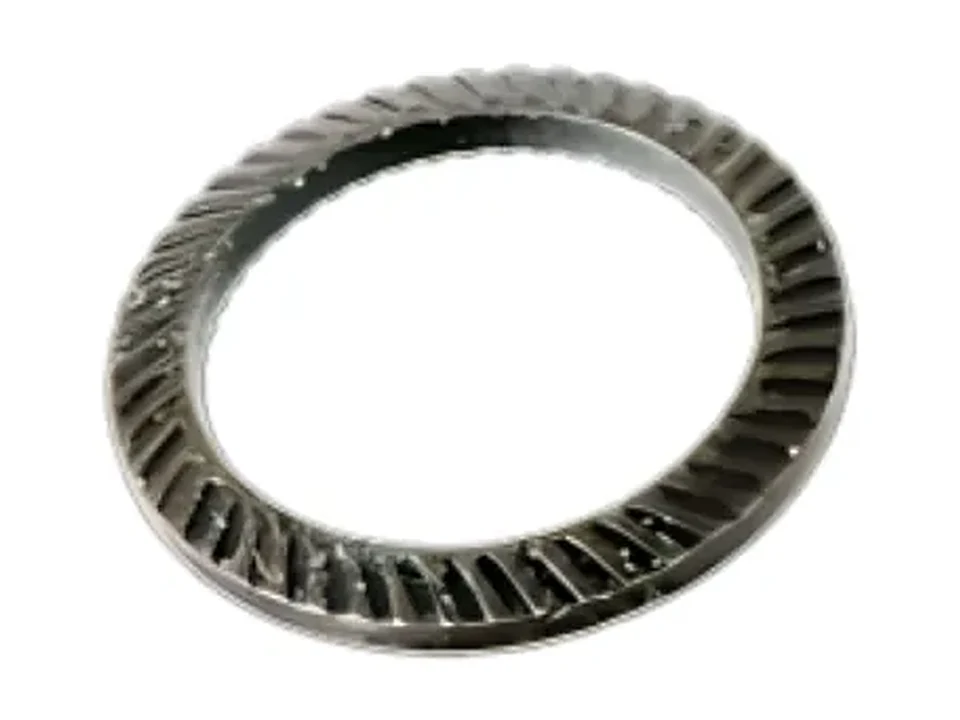
Locking washers
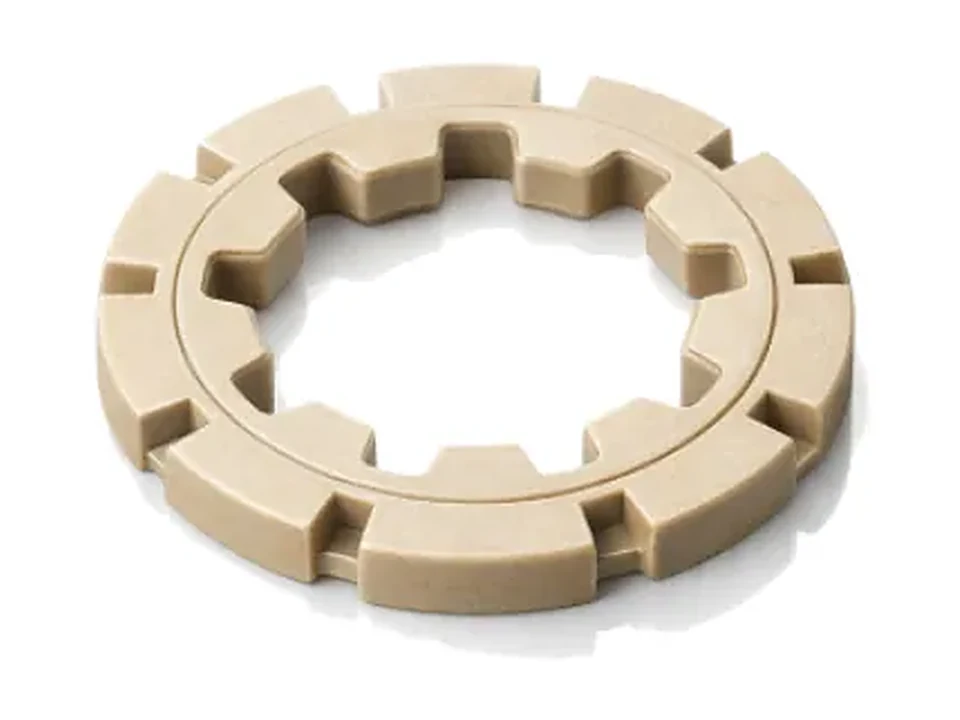
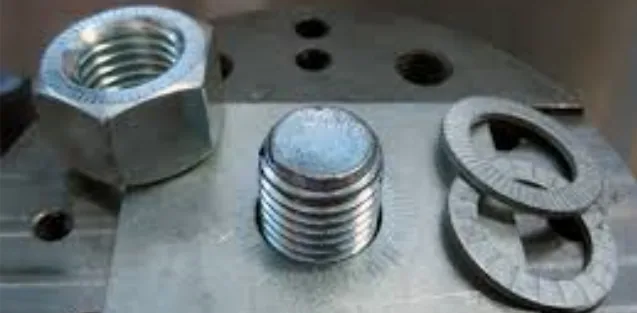
3 SKUsMainly carbon steel and stainless steel, moving towards high-strength alloy steel and lightweight composites for demanding applications, to meet high-frequency vibration, high precision and long life. Used in hip / knee / shoulder joints, torso load-bearing frames, sensors and precision modules.
Four high-value connection locations
The same screw follows completely different selection logic in different locations. Reading by location is faster than searching by part number.
Hip / knee / shoulder core joints
Shoulder screws centre the joint and locking washers hold preload, so accuracy does not drift under repeated swing.
Dexterous hands and fingertip actuators
Extremely tight space, moderate load but a very high cycle rate - miniature high-strength screws and titanium alloy come first.
Torso frame and arm frame
Thread inserts lift both joint strength and life in aluminium-magnesium structural parts.
Linear actuators and linkages
Rod-end bearings provide controlled multi-directional swing and are the core hinge part in biomimetic motion.
Selection know-how: how light, stiff and tight can hold at the same time
For robot structural engineers: this section sets out the trade-off between saving weight and staying tight, so you can explain in a design review why this screw was chosen.
Fastener selection for humanoid robots is essentially a balance between three competing goals: the structure must be light, the joint must be stiff, and the connection must not loosen over the whole life cycle. The four sections below follow the actual design sequence.
1. Zone first: joint parts, frame parts and housing parts follow three different logics
For joint parts the core isAccuracy and repeatable locating, where selection looks at shoulder fit tolerance and the hardness of the rotating bearing surface rather than tensile strength alone; for frame parts the core isLoad capacity and life, where what matters is whether the threaded joint still holds strength after repeated assembly; for housings and covers the core isLight and appearance, where what matters is miniaturisation, surface finish and assembly efficiency.
Mixing these three into one BOM and selecting them by a single standard usually ends with insufficient joint accuracy, stripped threads in frame parts and overweight housings.
2. Material grading: aluminium alloy class 6.8, titanium alloy class 10.9 / 12.9, alloy steel class 12.9 / 14.9
The handbook gives three graded routes, chosen by load and weight sensitivity:
Aluminium alloy class 6.8- the lightest, and with a small potential difference against magnesium parts, the most direct grade against galvanic corrosion; suits low-load locations such as housings, covers and sensor modules.
Titanium alloy class 10.9 / 12.9- strength close to high-strength steel at markedly lower weight, for locations that must carry load near a joint without adding moment of inertia.
Alloy steel class 12.9 / 14.9- the highest strength ceiling, for main load paths and high preload; the weight penalty has to be absorbed in the structural design.
3. Locking: three methods for three conditions, do not stack them
Pre-applied adhesive suits series production where no extra step is wanted on the line, with consistency guaranteed by the factory; locking washers suit joints under high-frequency vibration that must be opened repeatedly; three-part assemblies (flat washer plus spring washer) suit cost-sensitive structural parts that are rarely opened.
Stacking all three is not safer; it removes the basis for preload calibration - the clamping force calculated from tightening torque is altered by washer and adhesive layer at the same time, so the torque coefficient is no longer controllable.
4. Validation must land on standard numbers and cycle counts
The robotics industry has no unified fastening validation standard like the automotive industry, so the technical agreement must state explicitly: mechanical properties to ISO 898-1 (steel fasteners) or ISO 3506 (stainless steel); salt spray to ISO 9227; joint-part life validation is agreed by actual swing angle, frequency and cycle count, not written as meets the life requirement.
Writing the cycle count into the agreement is the only way to stop a supplier delivering on the feeling that it is fine.
A total-cost optimisation partner from prototype design to after-sales
Six professional services cover selection, samples, validation and volume ramp-up, turning "will this screw work" into a verifiable engineering conclusion.

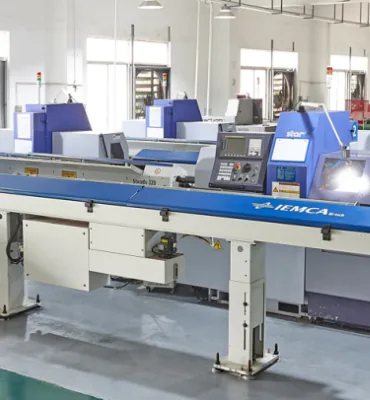
Fast engineering samples
Professional training
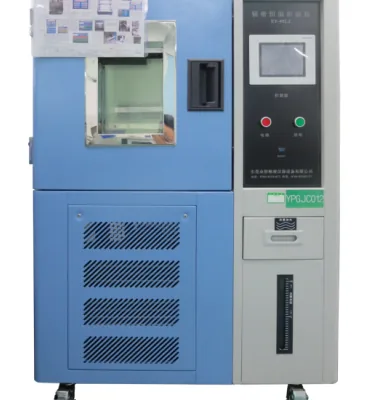
Professional testing services
Professional design consulting
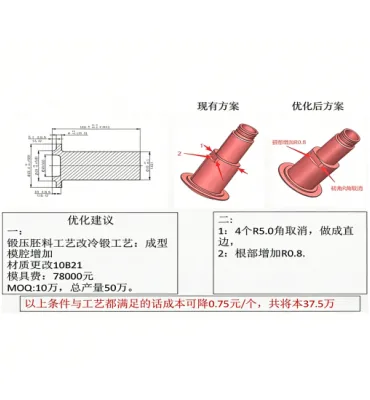
Continuous process optimisation
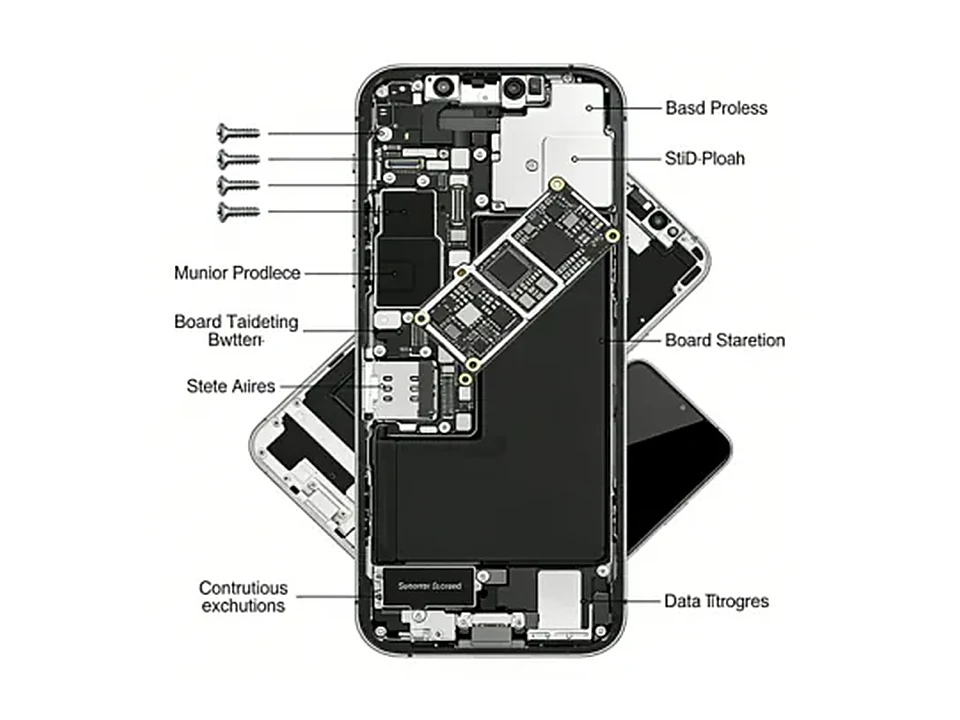
Professional teardown analysis
From drawing to production part, in five steps
Robot projects move fast; samples and validation must run in parallel, not one after the other.
Location and load input
Send the joint drawing, load spectrum, swing angle and frequency, and weight budget together.
Material and process selection
Set the material grade by location, then the locking route and surface treatment.
Fast engineering samples
Small-batch samples go straight onto the joint for assembly and interference checks.
Life and corrosion validation
Swing / vibration validation at the agreed cycle count, salt spray to ISO 9227.
Mass production and process optimization
During ramp-up, tear-down analysis feeds back into the drawing and the process window.
The five questions robotics projects ask most
Can humanoid robot joints use ordinary class 12.9 bolts directly?
Is class 6.8 aluminium alloy strong enough, and when is titanium alloy mandatory?
What is the difference between a shoulder screw and a pin, and can they replace each other?
Magnesium frame, thread keeps stripping - what now?
Can locking washers and pre-applied adhesive be used together?
Other industries under “Industry Solutions”
Continue below
Send us the joint drawing
Send us the load, swing angle and frequency and we will recommend a material grade and a locking route per location; where on-machine validation is needed, we schedule fast engineering samples at the same time.