
New Energy Vehicle Fastening Solutions|Battery Pack / E-Drive / Chassis | Six Joining Process Families, One Source
The battery pack needs sealing, the e-drive needs anti-loosening, aluminum-magnesium castings need protection against thread stripping, and chassis profiles need cost reduction — these four requirements correspond to four completely different joining processes. Following the “Industry Handbook – New Energy Vehicles”, this page puts six process families — thread inserts, anti-galvanic corrosion, clinching, blind riveting, anti-loosening/sealing bolts, and aluminum sleeves — under one drawing language, and every specification can be opened on its product page to verify parameters.

Four common pitfalls, broken down process by process
Most NEV fastening problems are not “which screw to pick” but “how to join two materials”. Each item below carries a verifiable source.
Six process families, one origin; interface responsibility is never split
A single battery-pack joint often uses three processes at once: clinching for locating, blind riveting for sealing, and inserts for thread reinforcement. If you source these from three separate suppliers, the biggest risk is not unit price but mismatched tolerance chains and coating systems. With all six process families drawn under one drawing system, responsibilities for each interface are clear.
Stripped threads in aluminum-magnesium parts: move the thread out of the base material with inserts
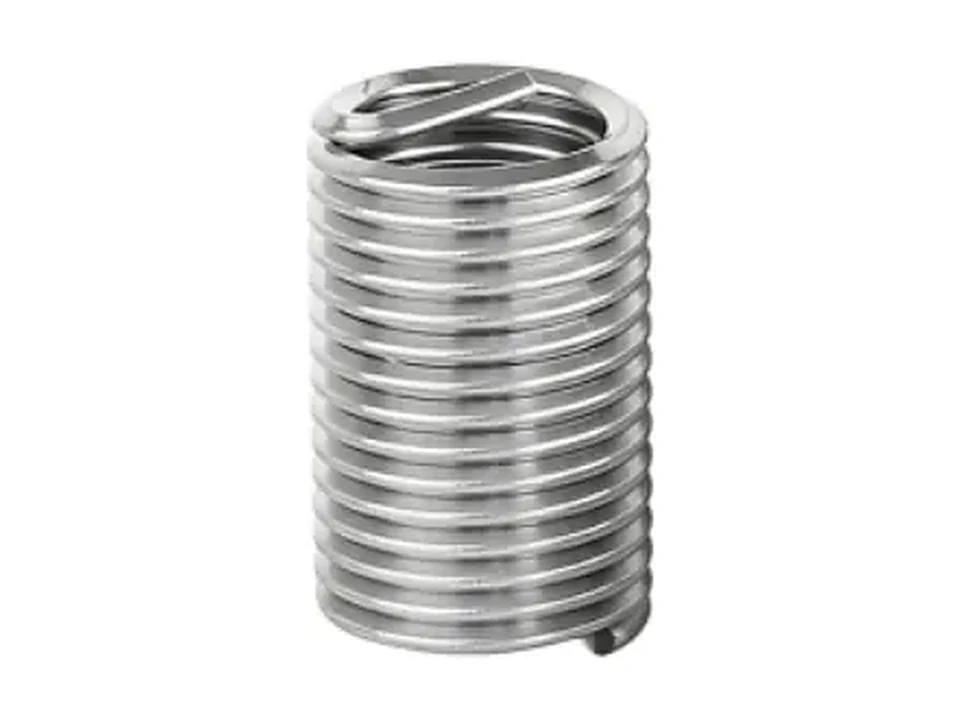
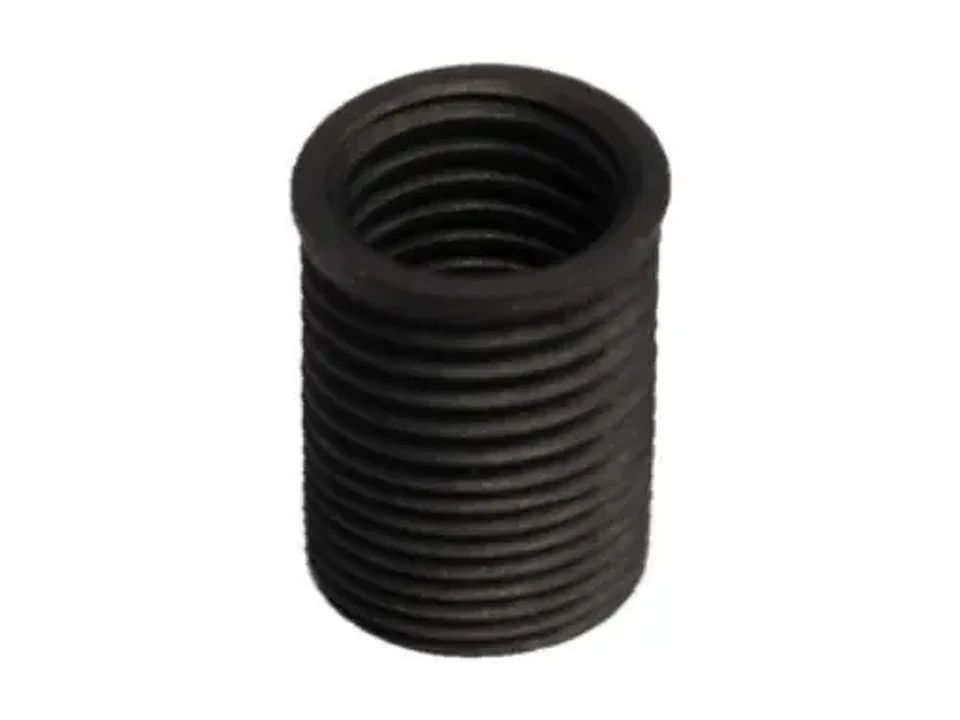
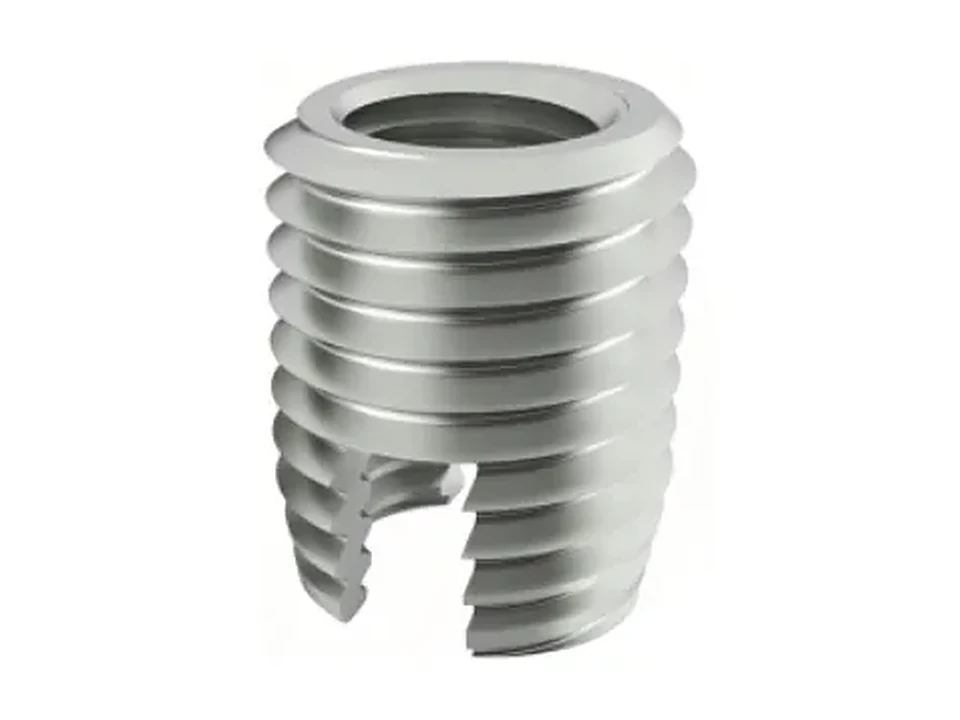
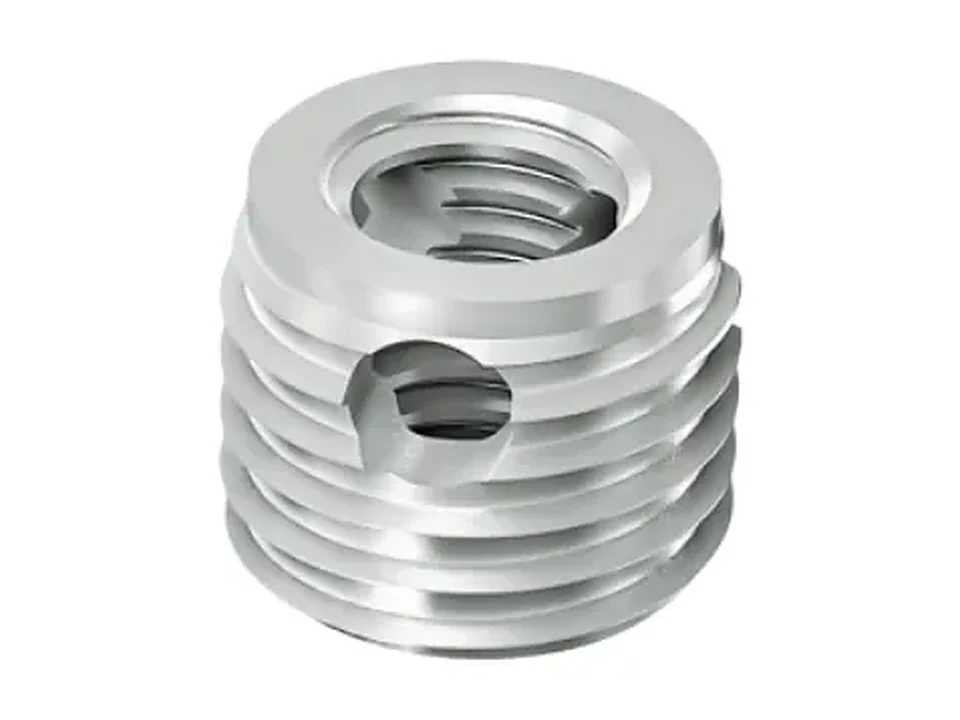
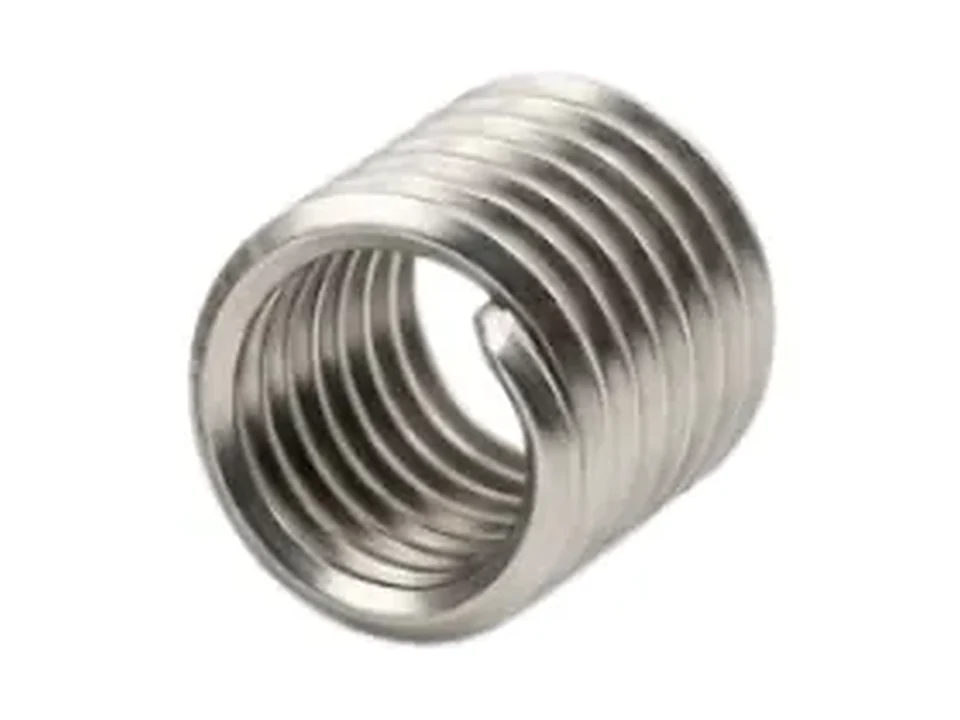
Tapping aluminum or magnesium castings directly leads to stripped threads after two or three assembly cycles; this is not a tightening-torque problem but a base-material strength problem. Choose among four routes by wall thickness, assembly frequency, and whether tapping is allowed: keyed inserts prevent rotation, wire thread inserts save radial space, self-tapping inserts eliminate tapping, and thin-wall inner-outer thread inserts solve limited wall thickness.
Galvanic corrosion: the dual route of “lower the potential difference + physical isolation”
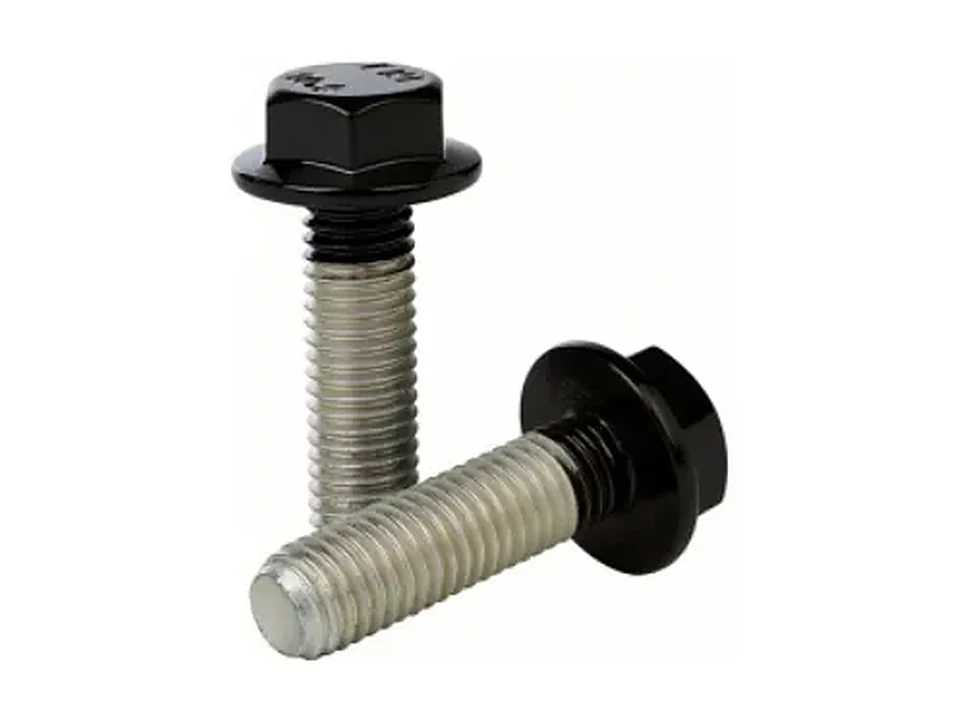
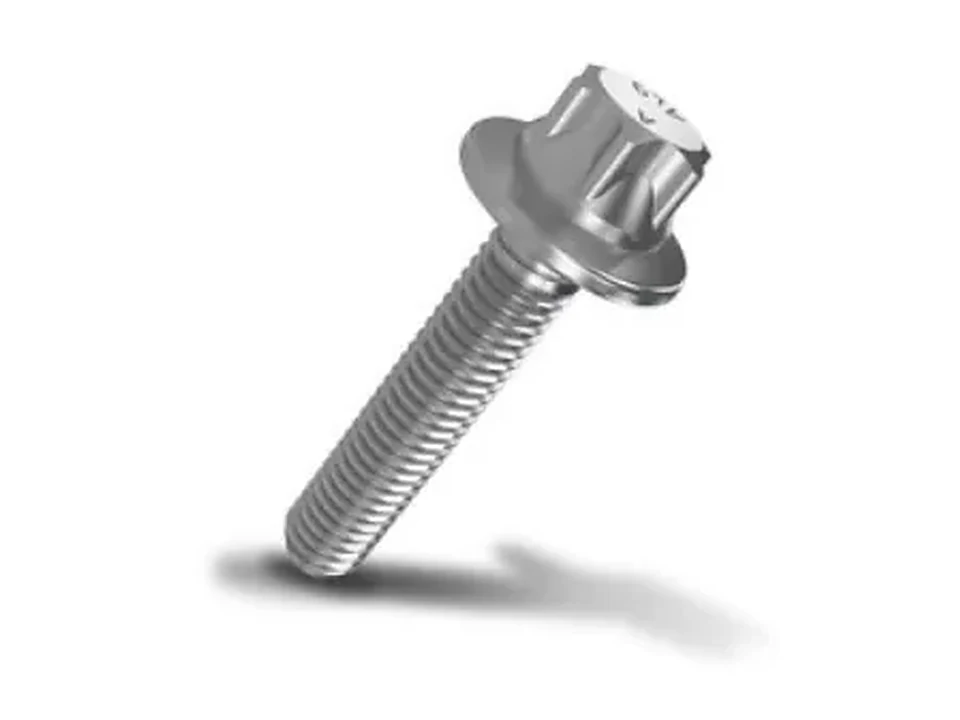
Magnesium has a very low standard electrode potential; when joined to steel parts, any breach in the coating creates a small-anode/large-cathode cell, and corrosion proceeds far faster than uniform corrosion. Coating without material selection hands the service life over to coating integrity. The approach is to reduce the potential difference with magnesium using high-strength aluminum bolts, then apply adhesive on the bolt head as a physical barrier.
Achieving IP68 sealing comes down to three concrete practices
Sealing is not achieved by the word “waterproof”: non-detachable locations use blind rivet nuts/rivets with pre-applied head adhesive, detachable locations use under-head sealing washers or pre-applied thread adhesive, and sealing clinch nut standoffs serve cavities that need wiring pass-through. The choice among the three routes depends on “will it be opened again”.
Verifiable automotive systems and patent portfolio
Automotive parts do not reach mass production just because a prototype passes; process capability and traceability are the real barriers. The company holds 26 patents, and its systems cover IATF 16949, ISO 14001, ISO 45001 and QC 080000; the dedicated automotive plant is located in Xiangyang, Hubei.
All specifications, grouped in six by joining process
Each card links directly to the product page; material, specification, coating, and packaging details are subject to the product page. If selection is unclear, start with the M5 selection guide, or send us your assembly drawing for an application assessment.
Thread inserts
6 SKUsFor reinforcing threaded holes in aluminum and magnesium light-alloy castings and profiles. After reinforcement: class 8 and above, up to class 12 and above; select by wall thickness, assembly frequency, and whether tapping is allowed.
Integrated Sealing Options
2 SKUsWhen joining to magnesium die castings, use high-strength aluminum bolts with a low potential difference, combined with head-adhesive physical isolation, to suppress galvanic corrosion.
Clinching
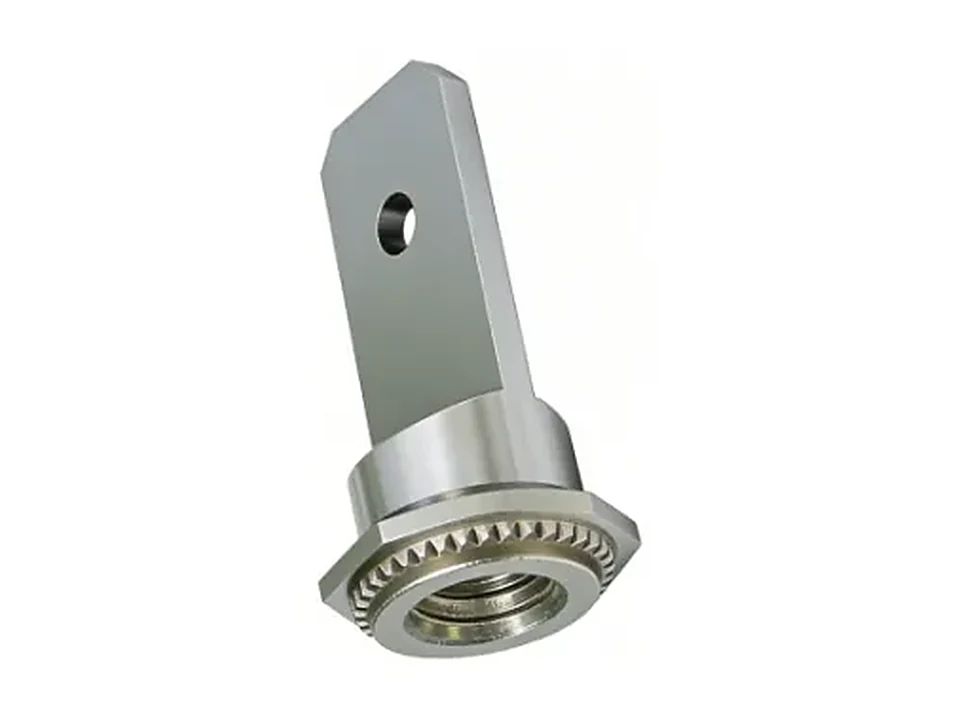
3 SKUsFastening and grounding connections for sheet metal and thin-wall die castings in the body, chassis, and the battery/motor/control systems; clinching with clinching equipment is required; sealing and grounding-specific structures are available.
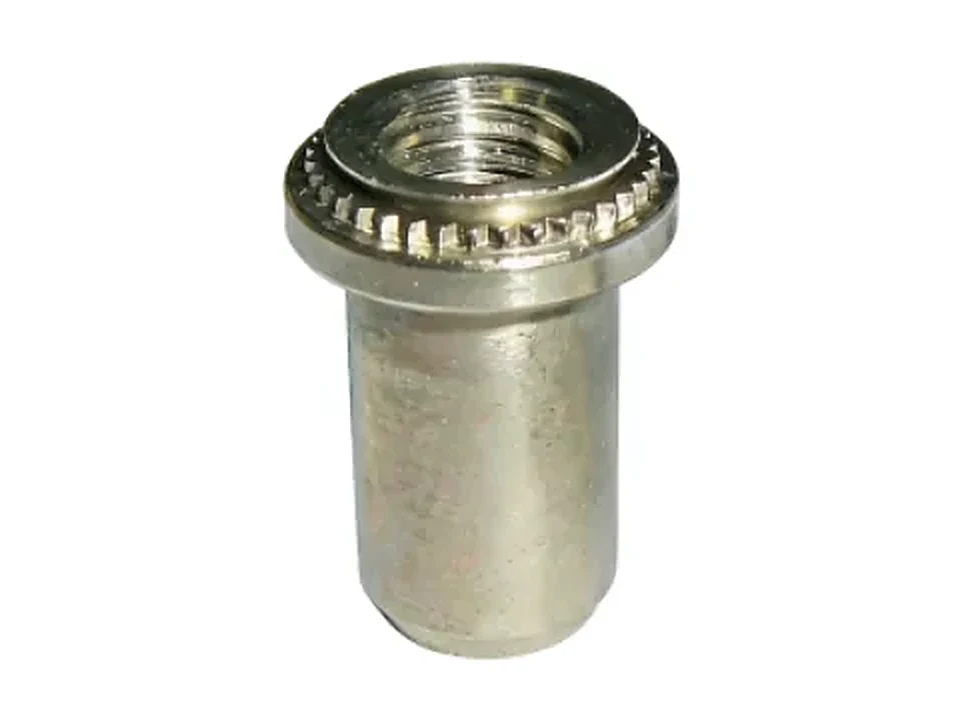
Pull riveting
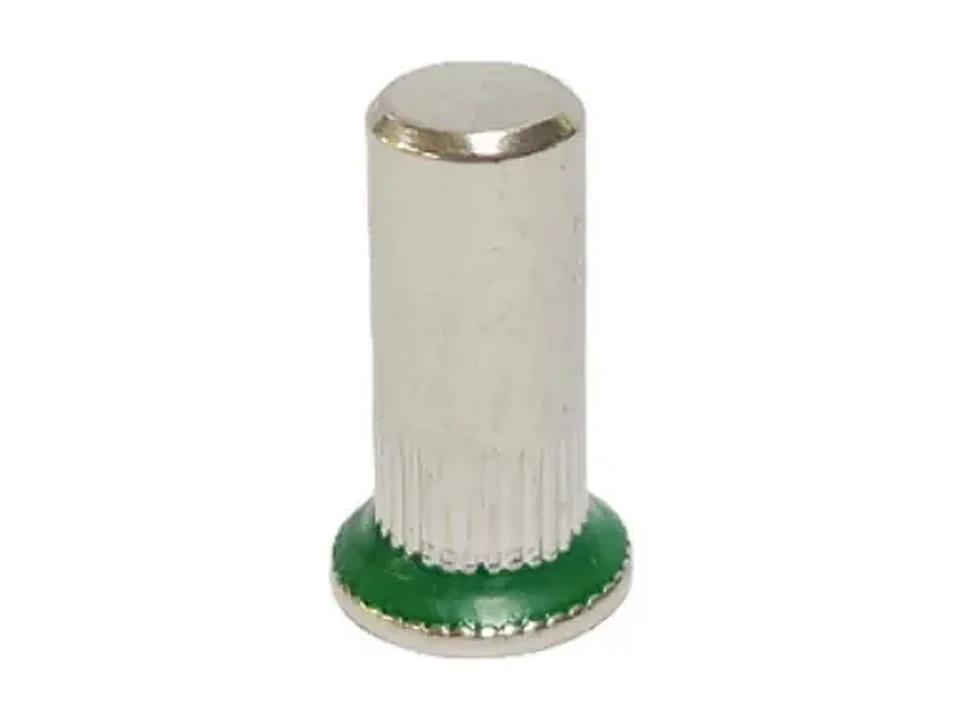
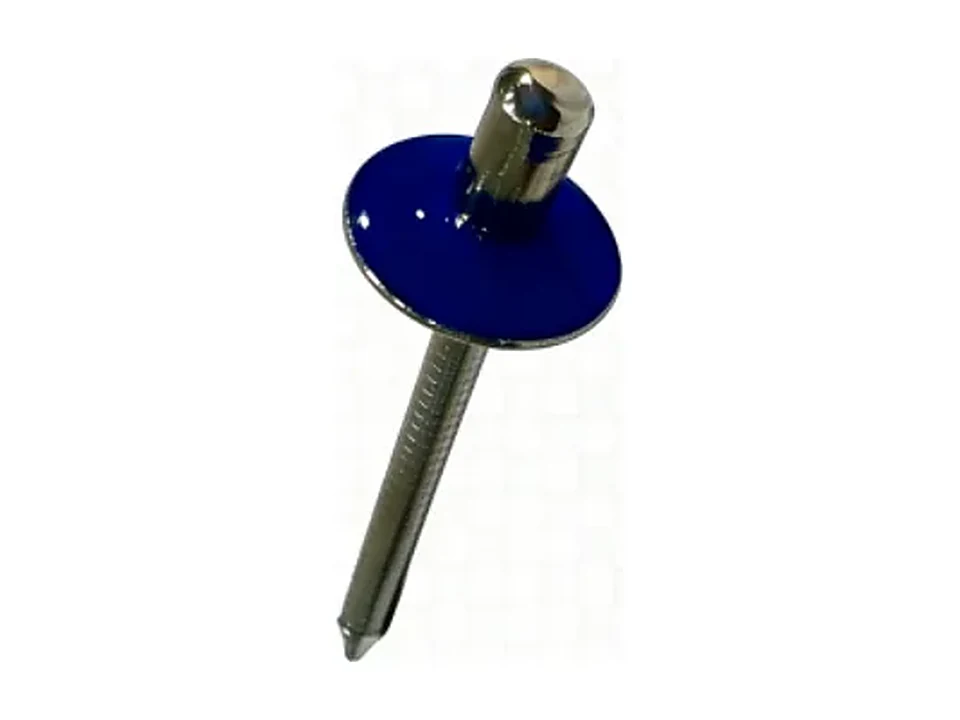
4 SKUsMechanical joining of chassis and battery-pack sheet metal; the head-glued version also provides waterproof sealing with sealing up to IP68.
Anti-loosening and sealing bolts
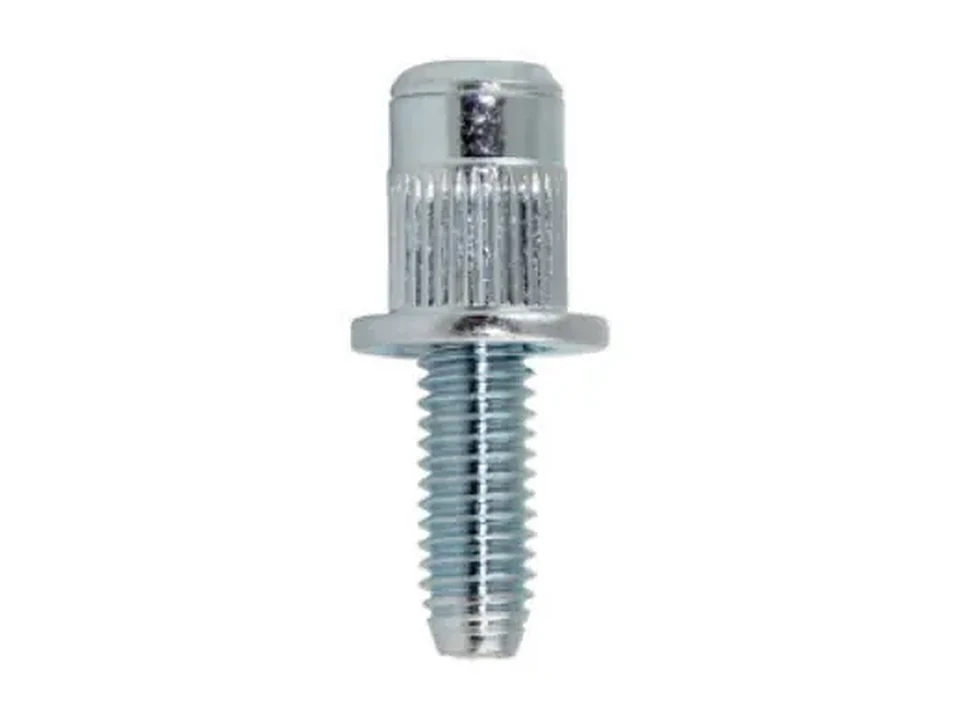
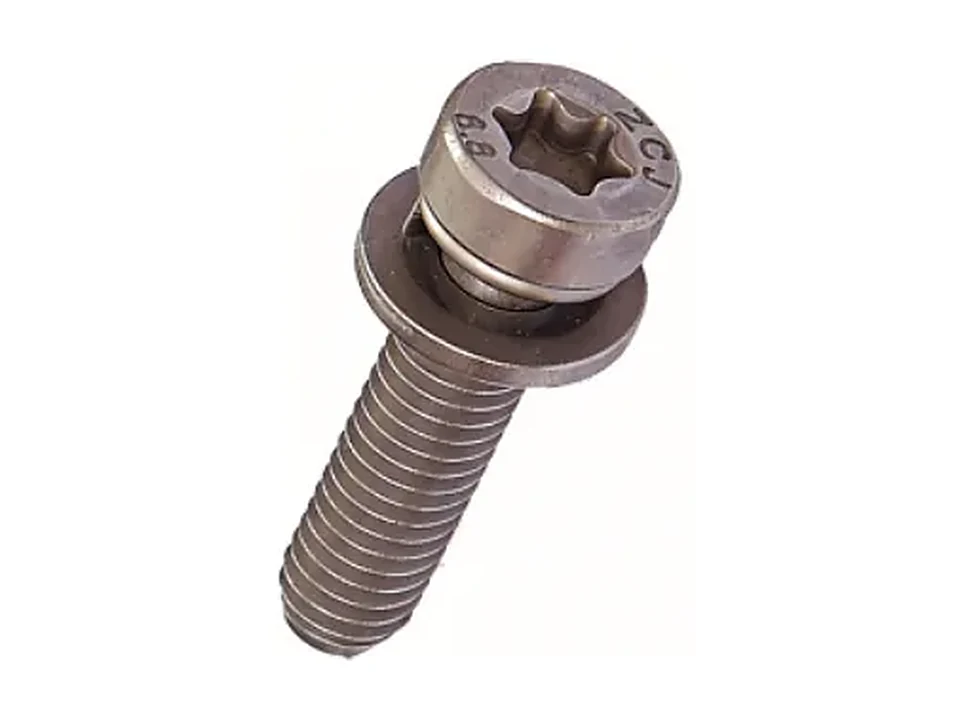
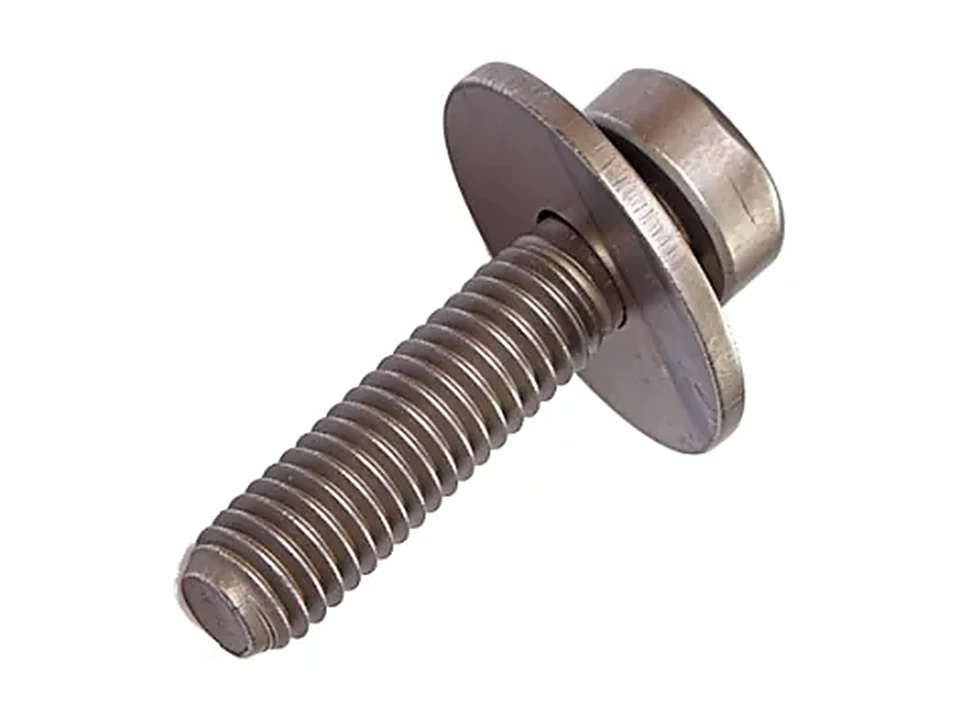
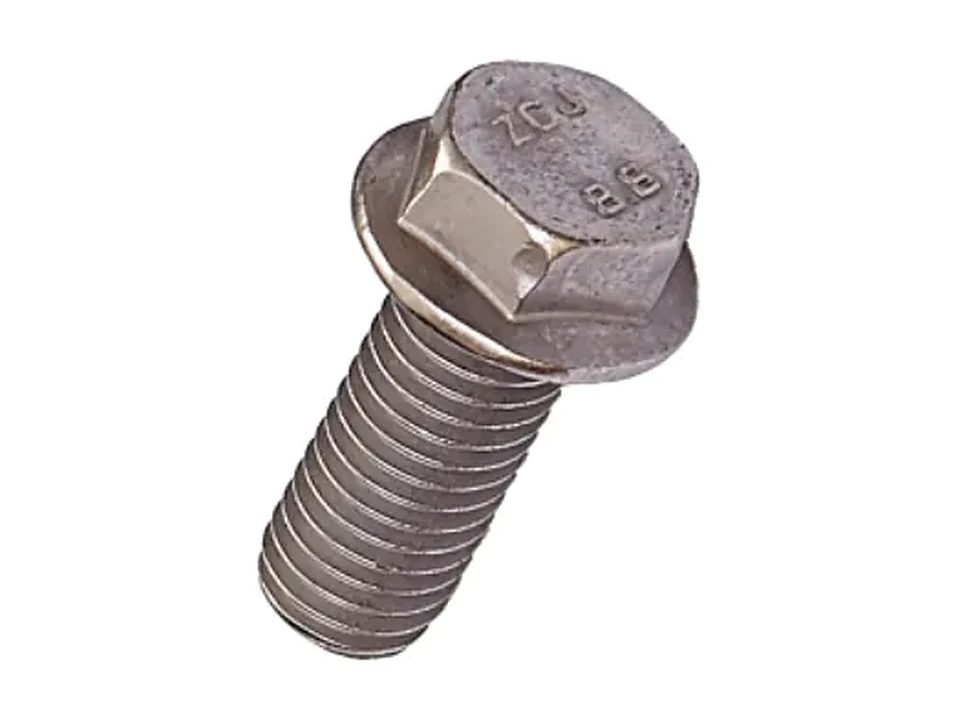
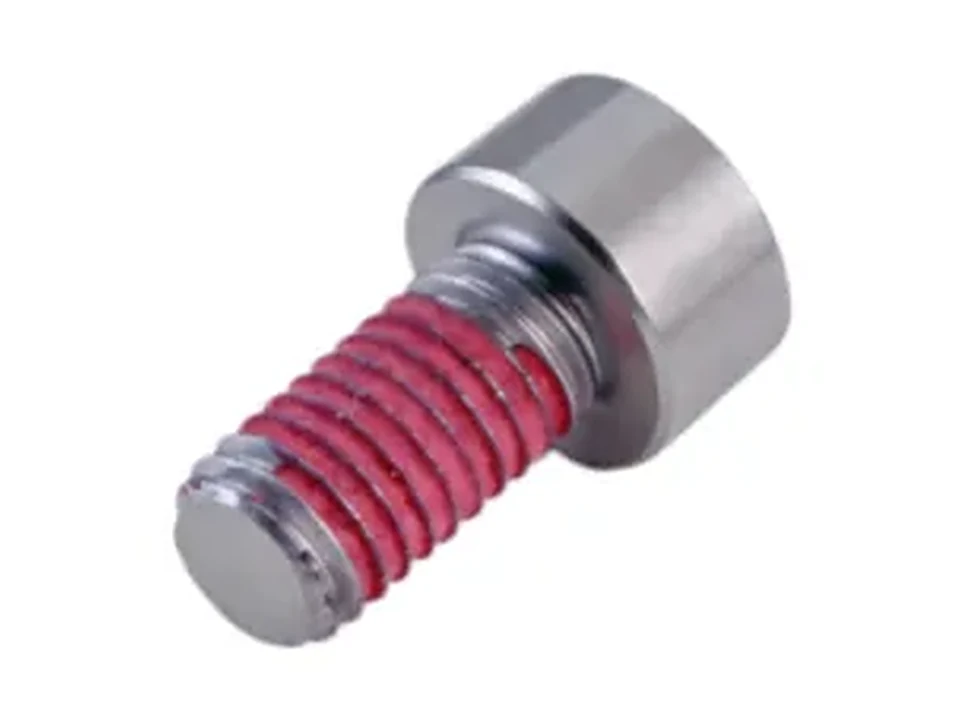
5 SKUsAnti-loosening via flat-and-spring-washer three-piece assemblies or pre-applied thread adhesive (chemical / mechanical); sealing via under-head sealing washers or pre-applied adhesive, up to IP68.
Sleeves
4 SKUsChassis profiles and battery-pack structural parts. Aluminum cold heading replaces conventional CNC turning, cutting total cost and improving cycle time.
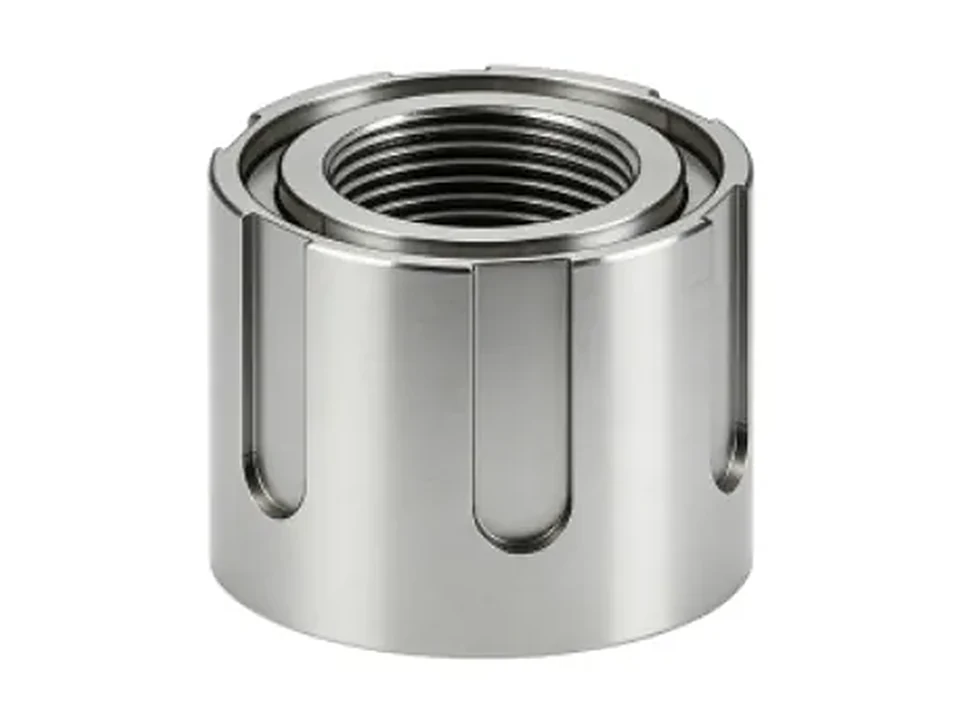
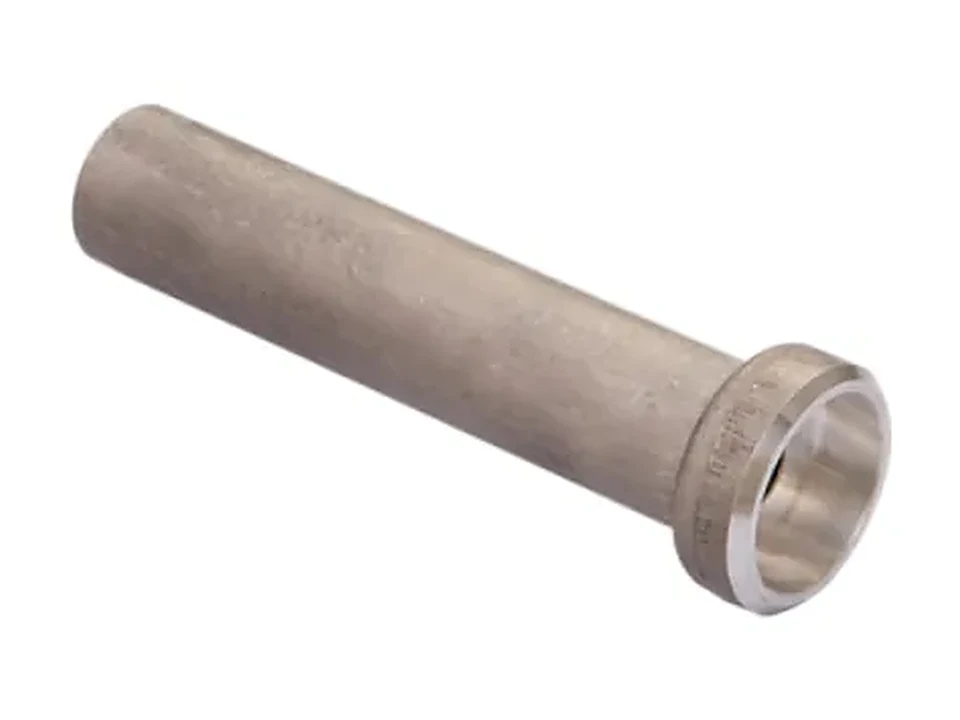
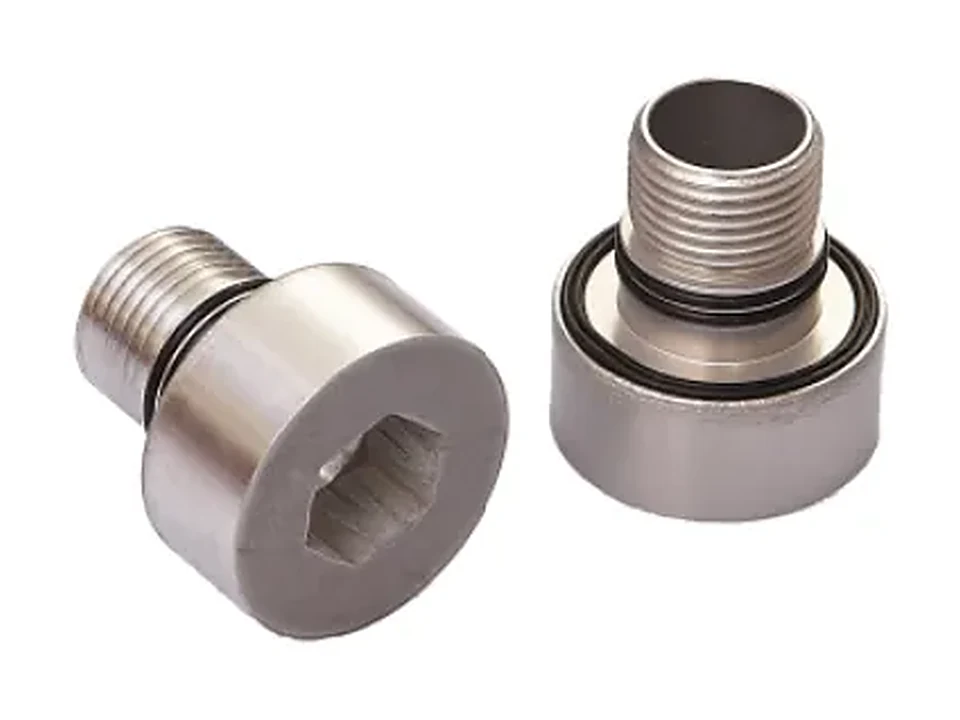
Five typical joining locations
Browsing by location is faster than hunting models by product name. Each location below corresponds to a specific group in the SKU matrix above.
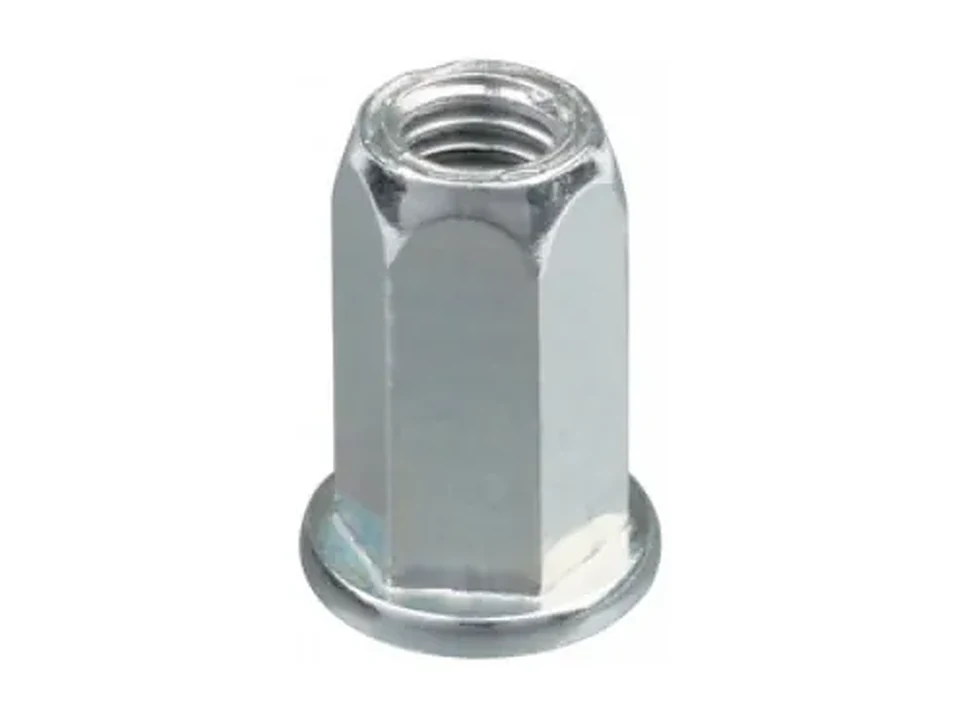
Battery pack enclosure
Enclosures are mostly single-side-access sheet-metal cavities; blind rivet nuts and pre-glued rivets complete mechanical joining and sealing in one step.
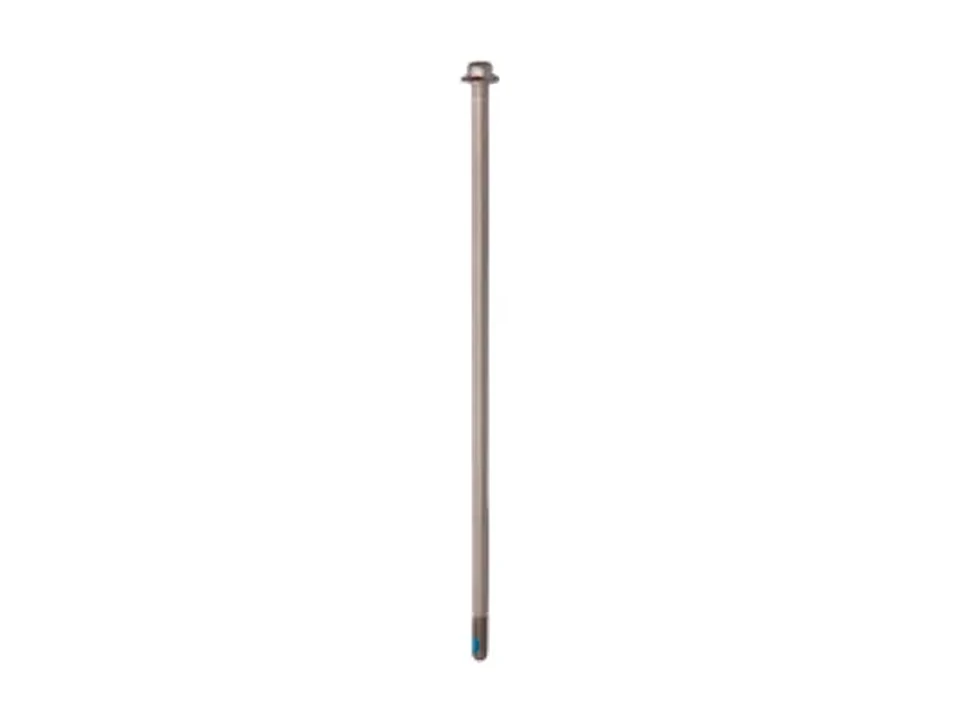
E-drive / motor end caps
Long-bolt straightness and three-piece assembly anti-loosening directly affect NVH and long-term preload retention.
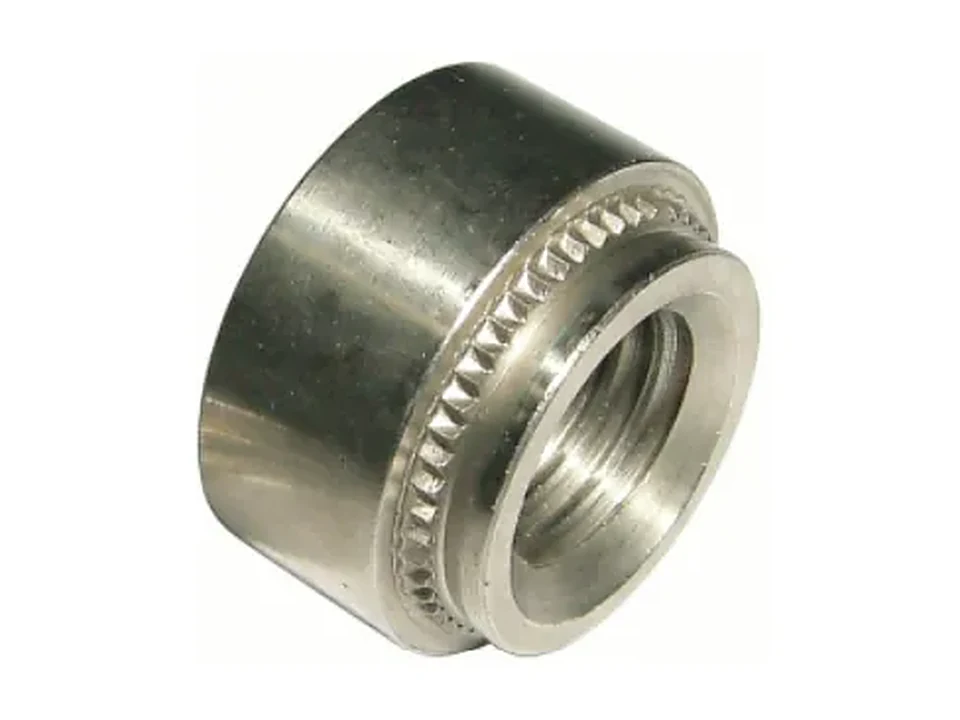
Body sheet metal and chassis
For detachable threads and grounding paths on thin sheet, clinch nuts and grounding studs are the standard solutions.
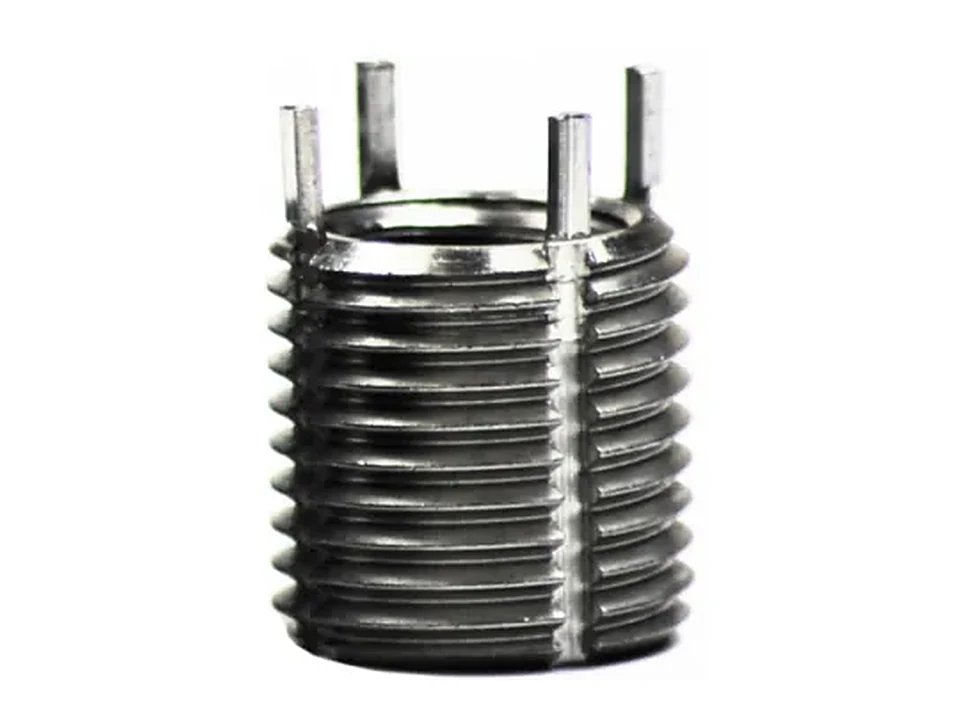
Aluminum-magnesium die casting threaded interfaces
Direct tapping of castings strips easily; inserts move thread strength from the base material to the insert.
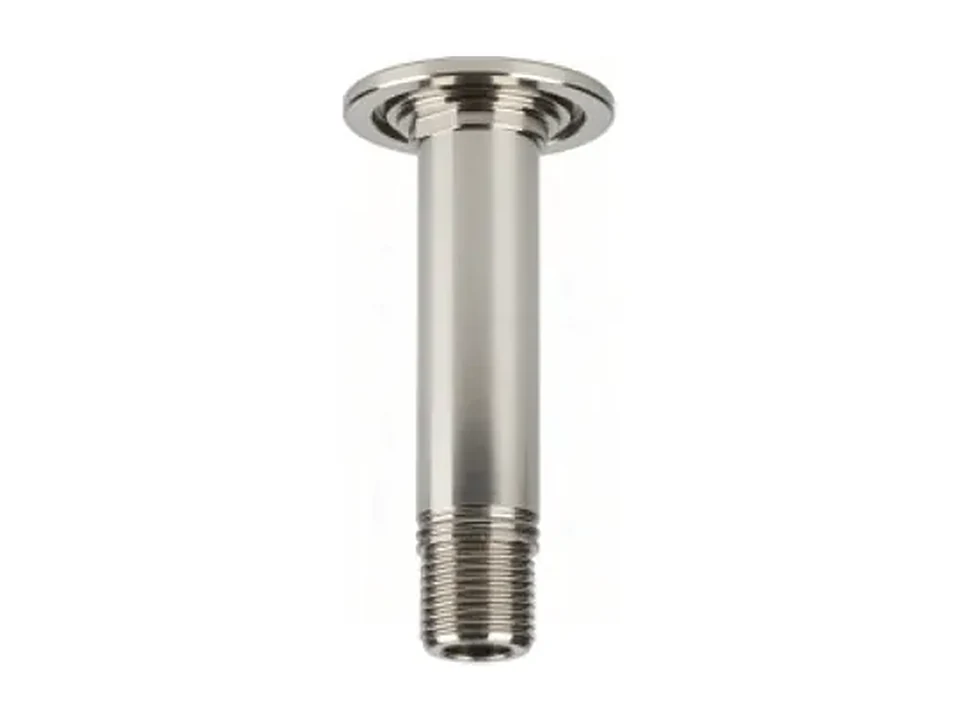
Chassis profile sleeves
Aluminum cold-headed sleeves replace CNC turning, balancing strength, cycle time, and material utilization.
Selection guide: define the interface first, then the fastener
This section is written for those who sign off: design engineers, process engineers, and SQEs. After reading it, you can judge whether a supplier's proposal holds up.
For NEV fastening, about eighty percent of the work is decided at the selection stage. The five sections below follow the actual decision order: first define the joining interface, then the thread route, then anti-loosening and sealing, then write the validation items into the drawing, and only last consider cost.
1. Answer Four Questions First and the Process Route Is Locked
Given a joint, do not start by asking “M6 or M8”. Answer four things first:What is the base material(aluminum, magnesium, steel, plastic, composites),Sheet thickness and single-side accessibility、Is sealing required、Will it be opened again。
These four answers determine the process family: single-side access with sealing basically leaves blind riveting plus pre-applied adhesive; two-side access with fixture space and thin sheet makes clinching more economical; aluminum-magnesium castings under repeated assembly need inserts; for magnesium-to-steel joints, solve the potential difference before anything else.
2. How to Choose Among the Four Thread Reinforcement Routes
Although all are “thread reinforcement”, the application scenarios of the four insert types do not overlap; a wrong choice does not fail immediately but tends to surface in a cluster during production ramp-up.
- Key-locking inserts: key-locked structure prevents rotation; suited to high-vibration locations where the insert must never spin with the bolt.
- Wire thread inserts: small radial footprint, suited to casting threaded holes where wall thickness is critical and space is limited.
- Self-Tapping Inserts (Type 302 / 308): screws in directly without tapping, fewer operations, suited to automated assembly of volume parts.
- Thin-wall inner-outer thread inserts: larger external thread with standard internal thread, resolving the conflict of “thin wall but still needing a standard internal thread”.
3. Design Anti-Loosening and Sealing Separately; One Solution Cannot Cover Everything
Anti-loosening addresses whether preload will be lost; sealing addresses whether media will get in. Their failure mechanisms differ, and so do their validation methods.
For detachable locations, the flat-and-spring-washer three-piece assembly is common and requires no extra operations on the assembly line; for volume parts where on-site gluing is undesirable, use factory pre-applied chemical or mechanical thread lockers, which give better consistency. Sealing depends on detachability: detachable joints use under-head sealing washers or pre-applied thread adhesive, non-detachable joints use head-glued riveted parts. In the handbook, both the blind-rivet and the anti-loosening/sealing families are rated IP68 for sealing.
4. Write Validation Items into the Drawing So Suppliers Share One Baseline
For the same bolt, a drawing note of “salt spray 480 h” and one of “neutral salt spray per ISO 9227” can be understood by suppliers in completely different ways. We recommend specifying four categories of validation in the drawing or technical agreement:
Corrosion per ISO 9227 Neutral salt spray (or customer-specified ASTM B117); mechanical loads for automotive electrical components per ISO 16750-3(equivalent adopted standard GB/T 28046.3); protection class per IEC 60529 or the automotive-grade ISO 20653; system and process audits per IATF 16949。
Writing standard numbers instead of adjectives is the easiest step toward a proposal that survives review.
5. The Bulk of the Cost Is Upfront, Not in Unit Price
The Industry Handbook repeatedly cites the 15-85 rule: explicit purchasing cost is only a small share of total lifecycle cost, while the larger hidden costs — design rework, line stoppages, warranty claims — are locked in at the selection stage.
So “saving two cents on a screw” is usually not optimization. Real cost reduction happens at the structural level: replacing CNC turning with aluminum cold heading for sleeve-type structural parts compresses multiple machining operations into one forming stroke, improving material utilization and cycle time together — that is a difference of an order of magnitude.
A total-cost optimisation partner from prototype design to after-sales
Six professional services cover selection, samples, validation and volume ramp-up, turning "will this screw work" into a verifiable engineering conclusion.

Fast engineering samples
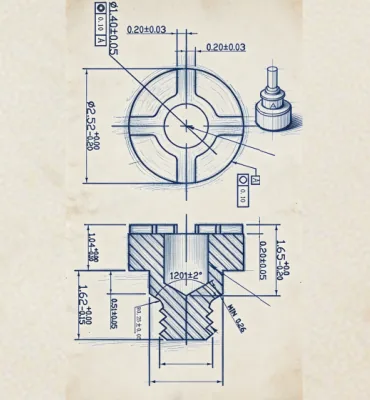
Professional training
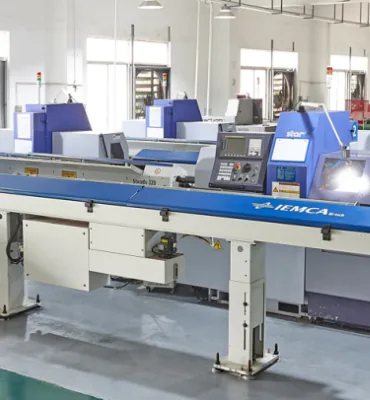
Professional testing services

Professional design consulting
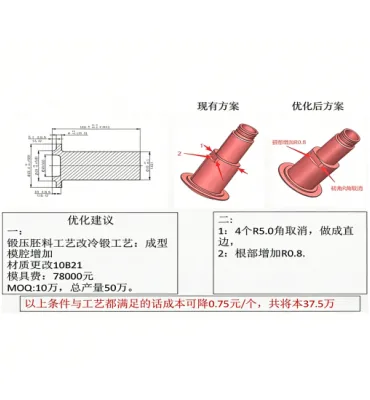
Continuous process optimisation
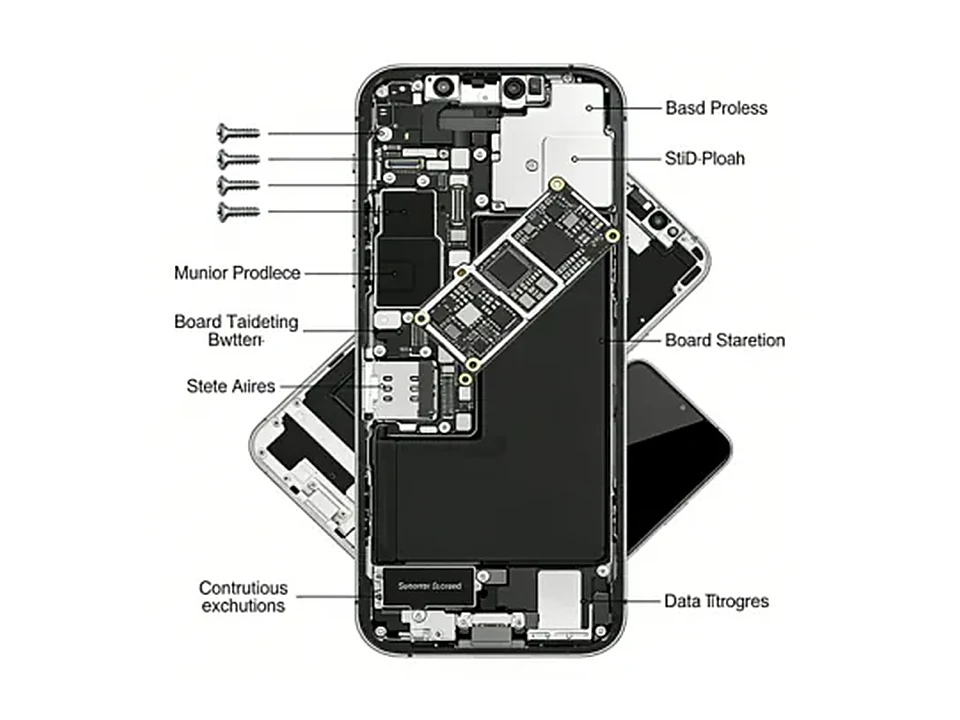
Professional teardown analysis
From one assembly drawing to production parts, in five steps
Every step has a clear deliverable; no “let's prototype and see” progress without acceptance criteria.
Application inputs
Provide the base material, sheet thickness, accessibility, sealing and disassembly requirements, together with the assembly drawing or a sample.
Process selection
Define the process family by interface, then specification and coating, and deliver selection recommendations with alternative routes.
Fast engineering samples
Samples built to selection for assembly validation and interference checks, without waiting for production tooling.
Testing and validation
Salt spray, vibration, tightening, and sealing are executed to agreed standard numbers, with reports issued — not verbal conclusions.
Mass production and process optimization
Move into production ramp-up with continuous process optimization and teardown analysis feeding back into drawing revisions.
The six questions most frequently asked during selection
Can steel bolts be used directly on magnesium die castings?
Stripped threads in aluminum castings: replace with a harder bolt or add an insert?
To achieve IP68 on a battery pack, should you choose blind riveting or bolts?
Clinching vs. blind riveting: what exactly is the difference, and how to choose?
Why do aluminum sleeves reduce cost, and how is strength guaranteed?
How does prototyping connect to mass production, and how long does it take?
Other industries under “Industry Solutions”
Continue below
Send us the assembly drawing of your battery pack or e-drive
Send the base material, sheet thickness, and sealing requirements, and we will provide selection recommendations and alternative routes by process path; if sample validation is needed, we will arrange fast engineering samples at the same time.