
Anti-loosening Anti-settlement locking fastening for soft substrates
Spline Nylon Washer
Product photos
Actual photos, not renders
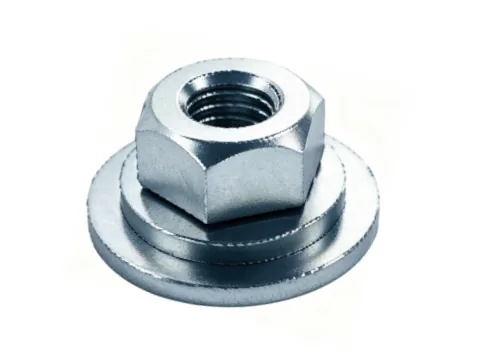
Illustration note
The image shows an actual part of this specification; appearance differs with surface treatment and head style, and the delivered part prevails.
Images are for appearance and structure reference; dimensions and tolerances are subject to the specifications and the applicable standards on this page.
Product description
Compiled from the existing technical description of this product on this site
The anti-settlement lock nut assembly uses an integrated combined structure with an extra-large bearing flange, significantly reducing the surface pressure transmitted by the thread pair to the substrate and effectively suppressing creep settlement in soft base materials such as plastics and aluminum. Combined with locking threads or indentation features, it continuously provides lateral locking force under severe vibration.
Specifications
The parameters listed on this page are subject to final inspection and the applicable standards; items not listed follow the customer drawing or the order agreement and are not committed by default.
| Material | High-strength alloy steel |
|---|---|
| Process | Cold heading |
| Surface treatment | Black oxide / zinc plated (optional) |
| Standard | Hex nut GB/T 6170 (ISO 4032); captive assembly and crimp structure per company standard / drawing |
| Typical application | Anti-settlement locking fastening for soft substrates |
Spec lookup
Use your own operating conditions to look up the 21 models in this series directly - front-end filtering only, no redirects, no address change
Filter results are based on the specification fields published on each model page and are for preliminary screening only; the final selection must be confirmed in light of the actual load, plate thickness and assembly process.
Drawings & customization
No public catalogue is available for this series; drawing-based requests are handled per project.
Made to drawing / sample replication
A 2D drawing or a physical sample is enough for evaluation; once confirmed, we issue drawings, build samples and obtain first-article approval before volume production. Drawings and project information are handled under confidentiality requirements.
Manufacturing process
The usual process route for this product family; actual operations follow the drawing and order requirements.
- Body formingCold heading or turning
- Anti-loosening structure machiningSerrated face, slotted, nylon patch or pre-applied adhesive
- AssemblyScrew, washer and nut combined into one part
- Heat treatmentQuenched and tempered metal body
- Torque verificationSampling inspection of tightening and loosening performance
Capacity & delivery
Taken from the company's published capacity and certification information; no unverified claims are included.
FAQ
Material, standards, surface treatment and installation points for this model; the data comes from the specification table on this page and from the national standards cited in the answers.
Q1What material is the captive anti-loosening anti-settlement nut available in, and what strength level does it reach?
Marked in the specification table on this page: material is high-strength alloy steel. Material certificates and mechanical property test reports can be supplied with the goods; batch acceptance follows the data above.
Q2To which standard is the captive anti-loosening anti-settlement nut produced and accepted?
Standards specified in the specification table on this page: hex nuts GB/T 6170 (ISO 4032); assembly and indentation structures per corporate standard / drawings. Dimensional inspection reports can be supplied with delivery; batch acceptance follows the above standards and the drawings agreed by both parties.
Q3Which surface treatments are available for the captive anti-loosening anti-settlement nut, and how to choose?
Surface treatment marked in the specification table on this page: black oxide / zinc plated (optional). Each coating differs in appearance, corrosion resistance and cost; choose according to the service environment and order agreement.
Q4Where is the captive anti-loosening anti-settlement nut used?
Typical applications listed in the product description on this page: joints on aluminium die castings; plastic housings and interior parts; battery packs and electronic control housings; joints of soft substrates under vibration. Overview: the anti-loosening anti-settlement nut assembly uses an integral assembly structure with an oversized bearing flange, which markedly reduces the unit pressure transmitted from the thread pair to the substrate and effectively restricts creep settlement of soft substrates such as plastics and aluminium parts.
Q5What has to be observed when installing the serrated-face locking structure of the captive anti-loosening anti-settlement nut?
The teeth under the head or on the washer face bite into the surface of the clamped part, increasing contact friction and restricting relative micro-movement. During installation the teeth must contact the clamped part directly; a plain washer should not be placed between the teeth and the plate surface, otherwise the locking structure is isolated and becomes ineffective. This item explains the mechanism; verification follows the DIN 65151 transverse vibration test. Data for this model are given in the specification table on this page. (Applies to this model: “anti-loosening anti-settlement nut assembly”.)
Related models
Alternative sizes in the same series and cross-series fasteners commonly used together
Anti-loosening
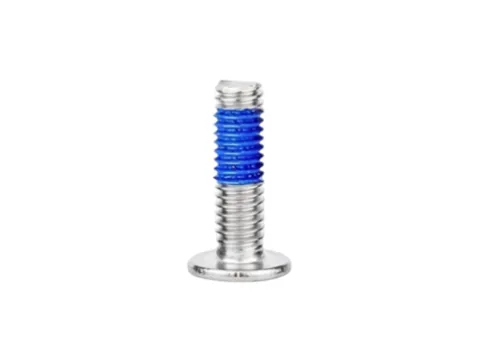
Hexalobular Socket Head P85 Anti-Loosening Screw
The CM ultra-low head design greatly reduces head thickness to suit extremely tight assembly spaces. The thread is pre-coated with a high-performance nylon locking adhesive
Anti-loosening
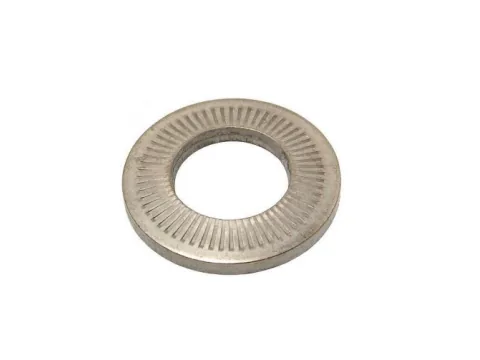
Ultra-Thin Self-Clinching Nut
This product follows French standard NFE 25-511 and is made of special spring steel. The distinctive conical form provides lasting compensating preload
Anti-loosening
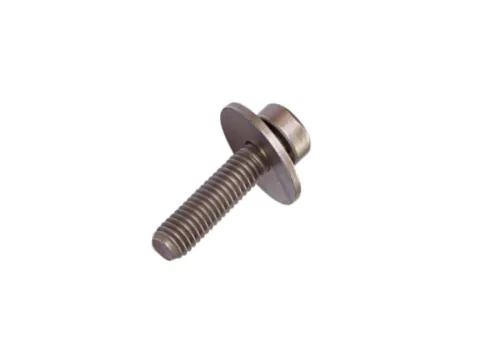
Torx two-piece screw assembly
Torx two-part screw with a Torx drive; the captive assembly sits under the head and locking comes from a pre-applied adhesive or a sealing structure, meeting the fastening needs of precision equipment. ...
Anti-Loosening
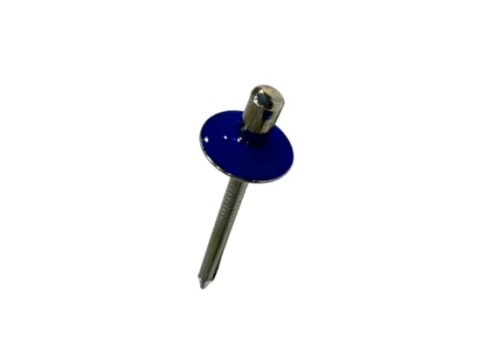
Type 69 Pre-applied Sealant Sealing Blind Rivet
The Type 69 pre-applied adhesive sealing rivet uses a pre-coating process; the adhesive cures after riveting to form a seal, providing waterproof and anti-loosening functions, fixed by riveting
Insert Screws
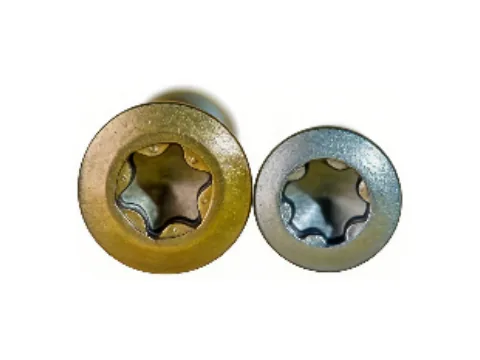
TORX PLUS Insert Screws
Made of class 12.9 high-strength alloy steel