
Aluminum lifting socket manufacturer|One-stop lightweight aluminum sleeve solutions
YF ZCJ focuses on high-performance, lightweight fastener ranges led by aluminum sleeves: multi-station cold forming produces complex geometries in a single pass, with high material utilization and continuous grain flow, supplying weight-reduced, strong and corrosion-resistant aluminum sleeve / bushing / stud sleeve solutions for new energy vehicles, aerospace, high-end electronics and precision industry.
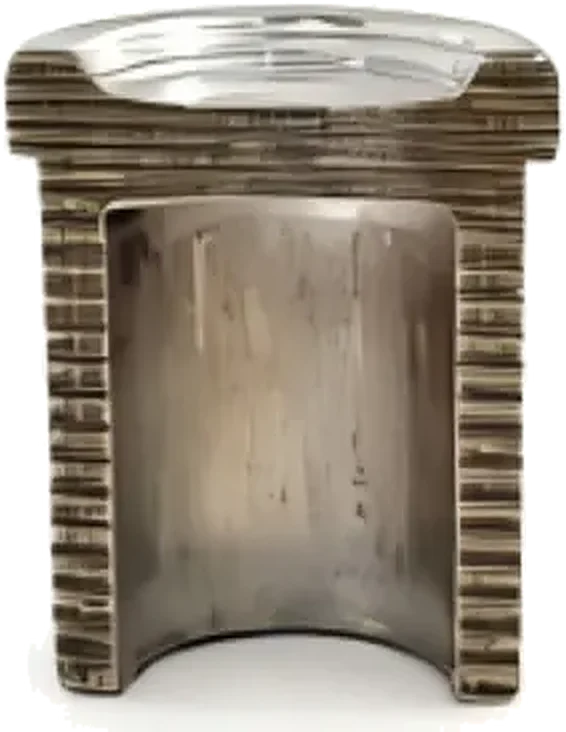
Why choose YF ZCJ aluminum sleeves
Advanced cold forming technology
Advanced processes such as multi-station and multi-die forming produce complex near-net-shape parts efficiently and accurately; optimised grain flow gives these parts higher strength and fatigue resistance than conventionally machined ones
Focused on performance and low weight
We understand the demanding requirements of new energy vehicles, aerospace and high-end electronics for lighter, strong and corrosion-resistant parts, and provide material and process solutions matched to them
One-stop, in-depth manufacturing
Full vertical integration — from joint design, tooling development and materials-science-based selection through precision cold forming, heat treatment and surface treatment to the complete range of secondary machining — lets us consolidate multi-part assemblies into a single, strong, lightweight component
Lightweight advantage
Aluminum has about one third the density of steel, which cuts part weight significantly and supports energy savings and better performance
High material utilization
Cold forming generates no machining scrap, which brings a clear cost advantage, especially in high-volume production
Excellent corrosion resistance
Selected aluminum alloys deliver excellent corrosion resistance and extend product service life
Aluminum sleeve product range
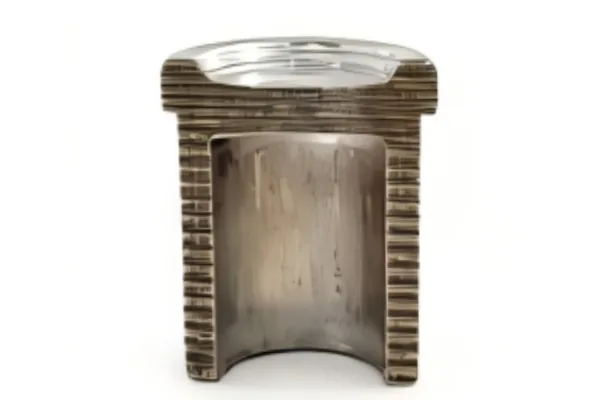
Aluminum sleeve
Thin-wall externally threaded aluminum sleeves, the preferred choice for lightweight lifting and connections, formed in one pass by multi-station cold forming
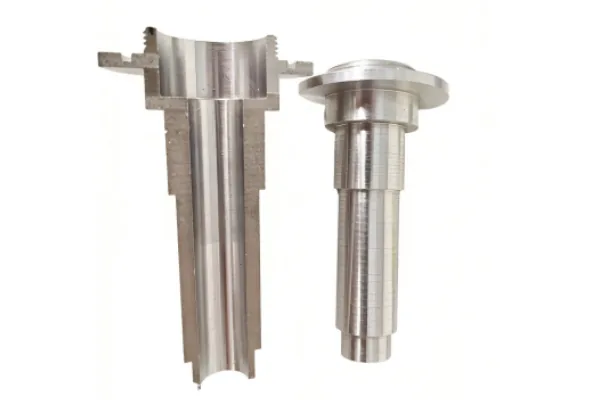
Bushings / Mounting point sockets
Bushings for mounting points and pivot locations: high strength, corrosion resistant, suited to lightweight lifting on aluminum structures
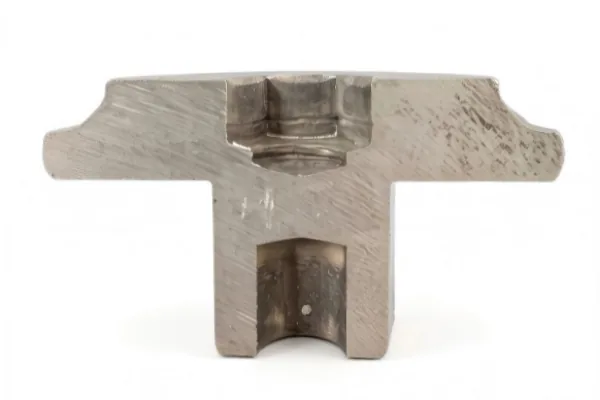
Custom thread inserts
Custom aluminum thread inserts of all kinds made to drawing; near-net-shape forming reduces secondary machining
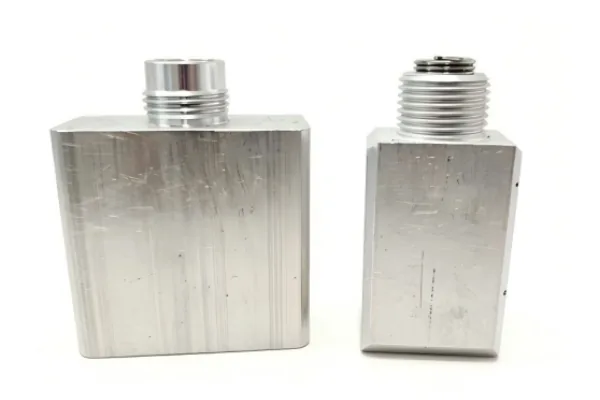
Stud sleeve 1
Aluminum stud sleeve series that combines stud and socket functions to simplify assembly structures
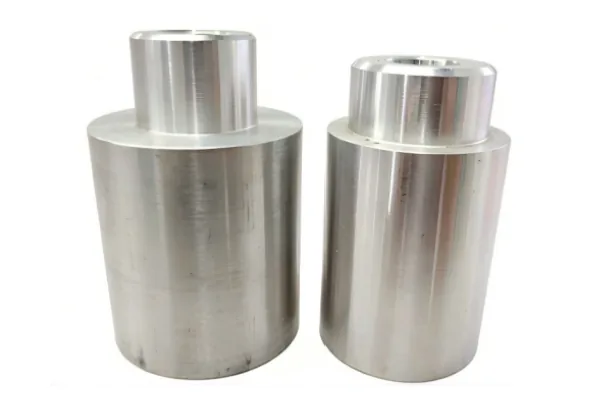
Stud sleeve 2
Aluminum stud sleeve series that combines stud and socket functions to simplify assembly structures
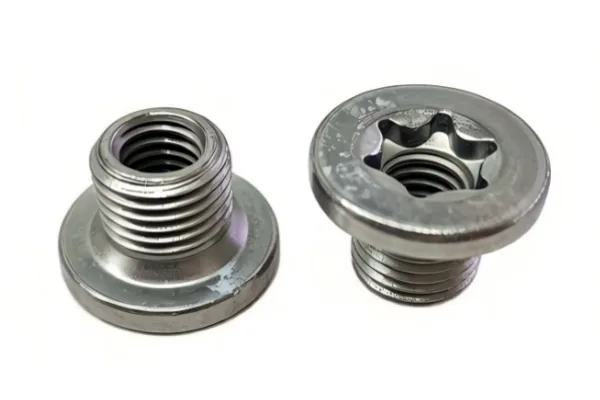
Stud sleeve 3
Aluminum stud sleeve series that combines stud and socket functions to simplify assembly structures
Core processes and equipment
Step 1 · Precision wire feeding
High-precision feeding of aluminum alloy wire ensures consistent material properties in every blank
Step 2 · Cutting and initial forming
Precision cutting and initial forming establish the geometric reference for multi-stage extrusion
Step 3 · Multi-stage cold extrusion
Multi-station cold extrusion forms complex geometry in one pass, with no machining scrap
Step 4 · Final forming and trimming
Final forming and trimming from the cold-headed blank to the finished part: continuous grain flow and optimal strength
Multi-station cold heading equipment
Efficient cold heading lines that secure stable delivery in large volumes
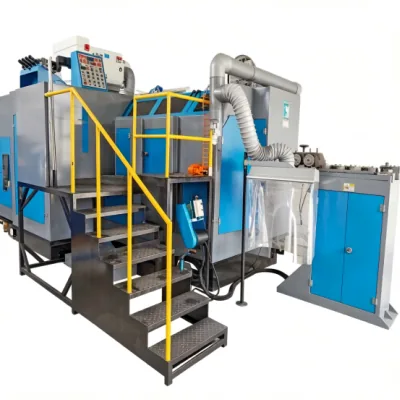
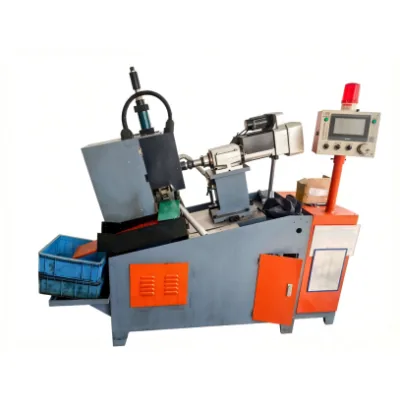
High-efficiency automatic tapping machine
Automatic tapping ensures thread accuracy and consistency
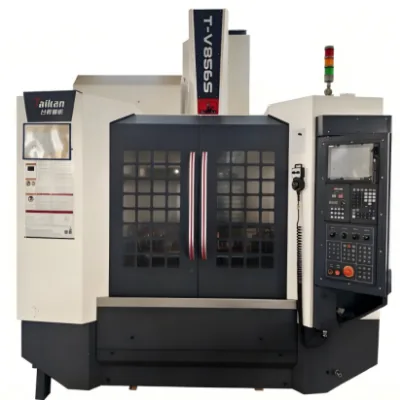
Precision secondary machining equipment
A single machine performs up to 12 secondary operations — turning, grooving, drilling and more — at high speed and low cost
Total cost optimization from prototype design to after-sales
Cost influence model across the project life cycle
The core challenge in development is that a very short early decision window locks in most of the cost, while later stages absorb heavy investment and make corrections very expensive — risk and reward are badly mismatched. Companies therefore have to make precise judgements very early.
The 15-85 rule (controlling hidden cost)
Focusing too narrowly on the 15% of visible purchasing cost often means ignoring the 85% of hidden cost — design, supply chain, after-sales and more. YF ZCJ coordinates from the source to prevent costly rework and quality losses caused by early design mistakes
Six core value service areas
Professional training, joint design, fast prototyping, quality assurance, reliable delivery and after-sales support — covering the full project life cycle
Industry Applications
New energy vehicles
Lifting points on battery trays and aluminum body structures, combining low weight with corrosion resistance, already qualified in new energy vehicle supply chains
Robotics and equipment maintenance
Lifting of robot components and equipment maintenance: aluminum sockets do not rust and need no maintenance
Lifting in aluminum structural engineering
Lightweight lifting solutions for aluminum structures that avoid corrosion at steel-aluminum contact points
High-end electronics and precision industry
Structural parts for precision industry and high-end electronics, with excellent dimensional accuracy and surface quality
Frequently asked questions about aluminum sockets
Need selection advice or a part made to drawing?
Send us your specifications, drawings or application details to receive professional selection advice, test reports and a fast quotation.
Related Product Categories
ZT68 High-Strength Aluminium Alloy Bolts
600 MPa class high-strength aluminum alloy bolts for lightweight fastening
Sealing Series
Elastic cylindrical pins and pin-type connecting elements
Magnesium Anti-Galvanic Corrosion
Fastening solutions that prevent galvanic corrosion in magnesium components
Anti-Loosening
Sealing washers and sealed fastening solutions
Insert Screws
Licensed TORX® / TORX PLUS® insert screws, 213 sizes
All Products
Browse the full YF ZCJ fastener range