
Fastener Breakage: Common Causes and How to Prevent It
Executive Summary
A broken bolt seldom has a single cause - material defects, wrong selection, over-tightening and high-frequency fatigue can all be responsible. This article groups the causes into material, selection, installation and service condition, then sets out a prevention loop covering selection matching, controlled installation, incoming quality control and periodic maintenance.
Table of Contents
Four Common Causes of Fastener Breakage
A: Fastener breakage is a frequent failure in industrial production, and its causes span material, selection, installation and service condition. Fracture not only stops equipment but can also trigger safety incidents and economic loss. Drawing on years of industry experience, YF Zhichengjia has sorted out the common causes of fastener breakage and put forward targeted preventive measures, helping customers avoid risk and keep equipment running reliably.
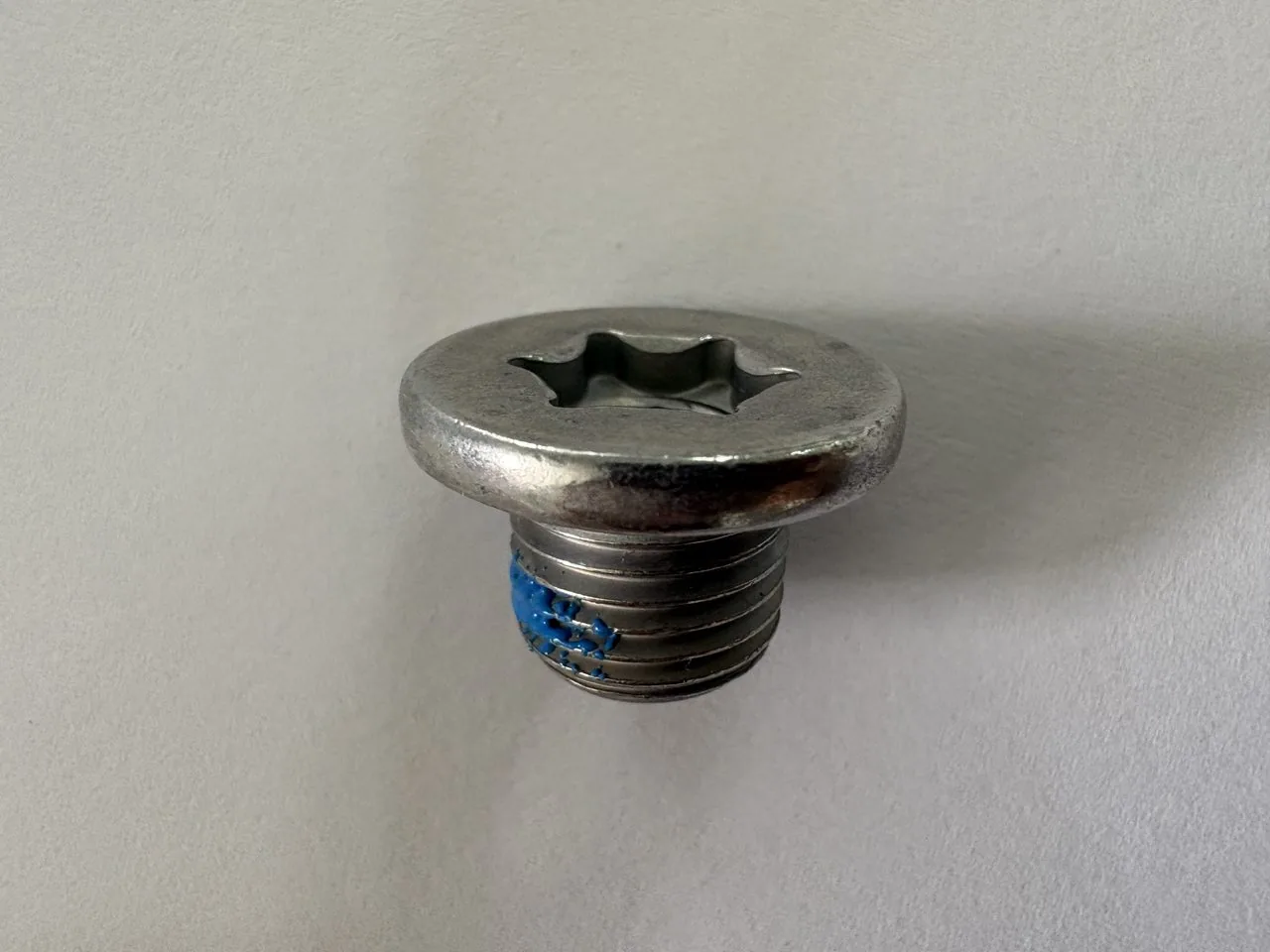
Common causes fall into four broad categories. The first is material defects, which is the root problem: raw material of insufficient purity that contains inclusions, cracks or other defects, or a heat treatment process that is not properly controlled, leaving hardness and toughness below specification, makes fracture likely under load; some suppliers cut costs by substituting inferior material for the specified grade, so the strength class is too low for the working load and the part breaks. The second is incorrect selection, where the strength class, size and material of the fastener do not match the duty. Fitting a low strength class fastener in a heavy-duty or vibrating joint, or an ordinary material in a high-temperature or corrosive joint, causes premature ageing and failure; an unsuitable size with out-of-tolerance thread accuracy or dimensions produces uneven load distribution after assembly, and local stress concentration initiates fracture. The third is poor installation practice, the most common human factor: over-tightening during assembly loads the bolt with excessive preload beyond the yield strength of the material, causing plastic deformation and then fracture; forced assembly damages threads or bends the bolt, which then fails under load; tightening without the specified sequence leaves the fasteners unevenly loaded, so part of them are overloaded and break; and unqualified tools, such as a torque wrench of insufficient accuracy, make preload impossible to control. The fourth is the service environment: fasteners kept in harsh conditions for long periods fail through environmental attack and load variation - high-frequency vibration causes fatigue fracture, a corrosive atmosphere lowers material strength until the fastener breaks, and elevated temperature ages the material and reduces toughness until it fractures.
Selection: Match the Duty Precisely
Against these causes, preventive measures can be taken in four areas: selection, installation, material and maintenance. At the selection stage the duty has to be matched precisely. YF Zhichengjia provides professional selection guidance and recommends the appropriate strength class, material and size from parameters such as load magnitude, vibration intensity, temperature and corrosion level. Heavy-duty joints, for example, take class 8.8 or higher fasteners, high-temperature corrosive joints take superalloy or stainless steel fasteners, and vibrating joints take anti-loosening types; the fastener size must also match the base material, with thread accuracy and dimensional tolerances that satisfy the assembly requirements, so that breakage from poor selection is avoided.
Installation: Follow the Specified Sequence
At the installation stage, the installation specification has to be followed strictly. Use torque wrenches, sockets and other tools of adequate accuracy, and set a reasonable preload according to the fastener size and material properties, so that the joint is neither over- nor under-tightened. Clean dirt and corrosion from the thread surfaces before assembly so that the threads run freely and forced assembly is avoided. On joints with several fasteners, tighten in a symmetrical, stepwise sequence so that the load is even. After assembly, mark the fasteners at critical locations and record the preload values so that later inspection is easier. YF Zhichengjia can also provide on-site installation guidance to standardise the process and remove the risk of human error.
Material and Production: Quality Control at the Source
At the material and production stage, choose fasteners of assured quality. YF Zhichengjia uses selected raw material and checks its composition with a spectrometer to confirm that purity meets specification; advanced heat treatment is used to optimise hardness and toughness, while magnetic particle inspection and ultrasonic testing screen out internal cracks, inclusions and other defects so that the product quality is sound. Every batch is supplied with a quality inspection report and is fully traceable, which prevents breakage from material defects at the source.
Maintenance: Periodic Inspection and Re-tightening
At the maintenance stage, set up a periodic maintenance regime. Inspect the fasteners at fixed intervals, concentrating on joints subject to vibration, heavy load or corrosion, and check for loosening, rust and deformation; re-tighten fasteners that carry alternating loads and replace aged parts on schedule; in harsh environments, apply rust protection to the fasteners at regular intervals, for example by coating them with anti-rust oil or replacing corroded washers; and shorten the maintenance interval during the initial trial run of the equipment, so that potential problems are found and solved in time and fastener service life is extended.