
Fastener Material and Coating Selection by Corrosion Environment
Executive Summary
Corrosion is the main factor limiting fastener service life, and damp, high-temperature and chemical environments place very different demands on material and surface treatment. This article matches 304, 316, Hastelloy, Inconel and aluminium alloys to corrosion severity, compares passivation, zinc plating, Dacromet and phosphating, and closes with galvanic corrosion and substrate compatibility.
Table of Contents
Material Selection: Match the Corrosion Severity
A: Corrosion is the core factor affecting fastener service life. Different corrosive environments - damp, high-temperature, chemically aggressive and so on - place very different demands on fastener material and surface treatment, and precise selection is the key to extending service life and keeping equipment running reliably. Drawing on experience across industries, YF Zhichengjia has summarised a systematic selection scheme that balances practicality, cost and reliability and covers the corrosion duties of aerospace, medical, new energy vehicle and semiconductor applications.
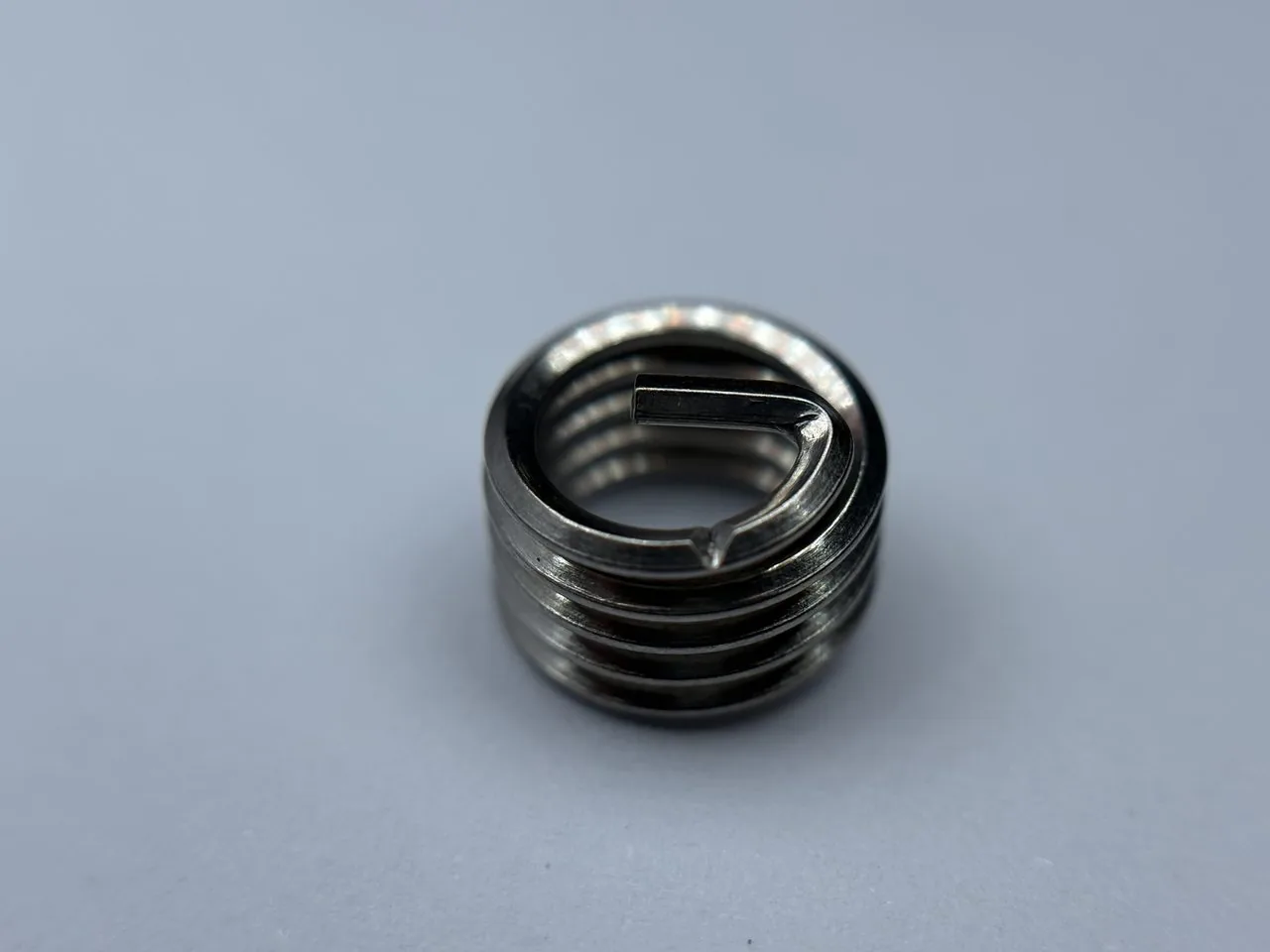
Material selection comes first, and has to be matched precisely to corrosion severity, working temperature and load requirement. In an ordinary damp environment, such as indoor electrical equipment or HVAC systems, 304 stainless steel fasteners offer good corrosion resistance at reasonable cost and meet normal duty; in severe environments such as marine sites or chemical workshops, 316 stainless steel or Hastelloy is recommended - 316 stainless contains molybdenum and is more than 50% better in corrosion resistance than 304, while Hastelloy resists acid, alkali and high-temperature corrosion excellently and suits extreme conditions; in high-temperature environments such as aero-engine components or semiconductor production equipment, superalloy fasteners such as Inconel keep good strength and corrosion resistance above 600 C; in new energy vehicles and medical devices, high-strength corrosion-resistant aluminium alloy fasteners are preferred, balancing light weight with corrosion resistance and meeting environmental requirements.
Surface Treatment: Passivation, Zinc Plating, Dacromet, Phosphating
Surface treatment comes next, and should combine the material properties with the corrosive environment to raise corrosion resistance, wear resistance and appearance further. For stainless steel fasteners, passivation forms a dense oxide film on the surface that strengthens corrosion resistance while keeping the natural colour of the steel, which suits medical and semiconductor applications with high cleanliness demands. For carbon and alloy steel fasteners, zinc plating is the common choice, in hot-dip and electroplated form: hot-dip zinc gives a thick coating with high corrosion resistance and suits outdoor and rail transit applications, while electroplated zinc gives a thin, uniform appearance and suits indoor electrical equipment. Dacromet offers excellent rust protection, exceeding 1000 h of salt spray corrosion, and carries no hydrogen embrittlement risk, so it suits high-temperature, damp and outdoor environments and is widely used in new energy vehicles and aerospace. Phosphating raises surface friction, which suits manual installation, and provides a degree of rust protection, so it fits components inside machinery.
Customised Schemes for Special Industries
For the corrosion duties of special industries, YF Zhichengjia provides customised solutions. Medical fasteners, for example, have to withstand sterile conditions and frequent disinfection, so 316L stainless steel is used with electropolishing to keep the surface clean and residue-free while resisting disinfectants. Semiconductor fasteners have to avoid electromagnetic interference and metallic dust contamination, so low-permeability stainless steel is used with residue-free passivation and surface roughness held below Ra 0.8 um. Aerospace fasteners have to cope with altitude, high temperature and corrosion, so titanium alloy is used with anodising, combining light weight, corrosion resistance and electrical insulation.
Galvanic Corrosion and Substrate Compatibility
Selection also has to consider compatibility between the fastener and the substrate, so that galvanic corrosion is avoided. Where the potential difference between fastener material and substrate is large, an insulating washer should be fitted at the contact face, or a material of similar potential chosen, and the fasteners should be inspected and maintained at intervals to extend service life. YF Zhichengjia can provide integrated advice on material and surface treatment for the specific duty, together with the corresponding test reports, so that the fastener matches the corrosive environment.