
Precision Electronics and Semiconductors: Fastener Demands
Executive Summary
Precision electronics and semiconductor equipment demand far more of a fastener than ordinary industries do - micron-level accuracy, Class 100 cleanliness, low magnetism and insulation, resistance to heat and corrosion, and light weight on top. This article takes those five dimensions and shows how YF Zhichengjia meets them with a dedicated development, production and inspection system.
Table of Contents
- Five Special Demands on Fasteners in Precision Electronics and Semiconductors
- Accuracy: Micron Tolerances and 6H Threads
- Cleanliness: Class 100 Rooms and SEMI/IPC Standards
- Electromagnetic Interference: Low-Permeability Materials and Insulating Coatings
- Corrosion Stability and Light Weight
- Full-Project Inspection and One-Stop Customisation
Five Special Demands on Fasteners in Precision Electronics and Semiconductors
A: Precision electronics and semiconductors are central to high-end manufacturing, and their end equipment is characterised by high integration, tight accuracy and a special operating environment, so the demands on fasteners go well beyond those of ordinary industries: the fastener must not only connect, but also cope with cleanroom conditions, low interference, high temperature and high-frequency vibration. YF Zhichengjia has worked in high-end precision fasteners for more than twenty years and has built a dedicated development, production and inspection system for the needs of these two fields, providing customised solutions that meet the strict requirements of the industry.
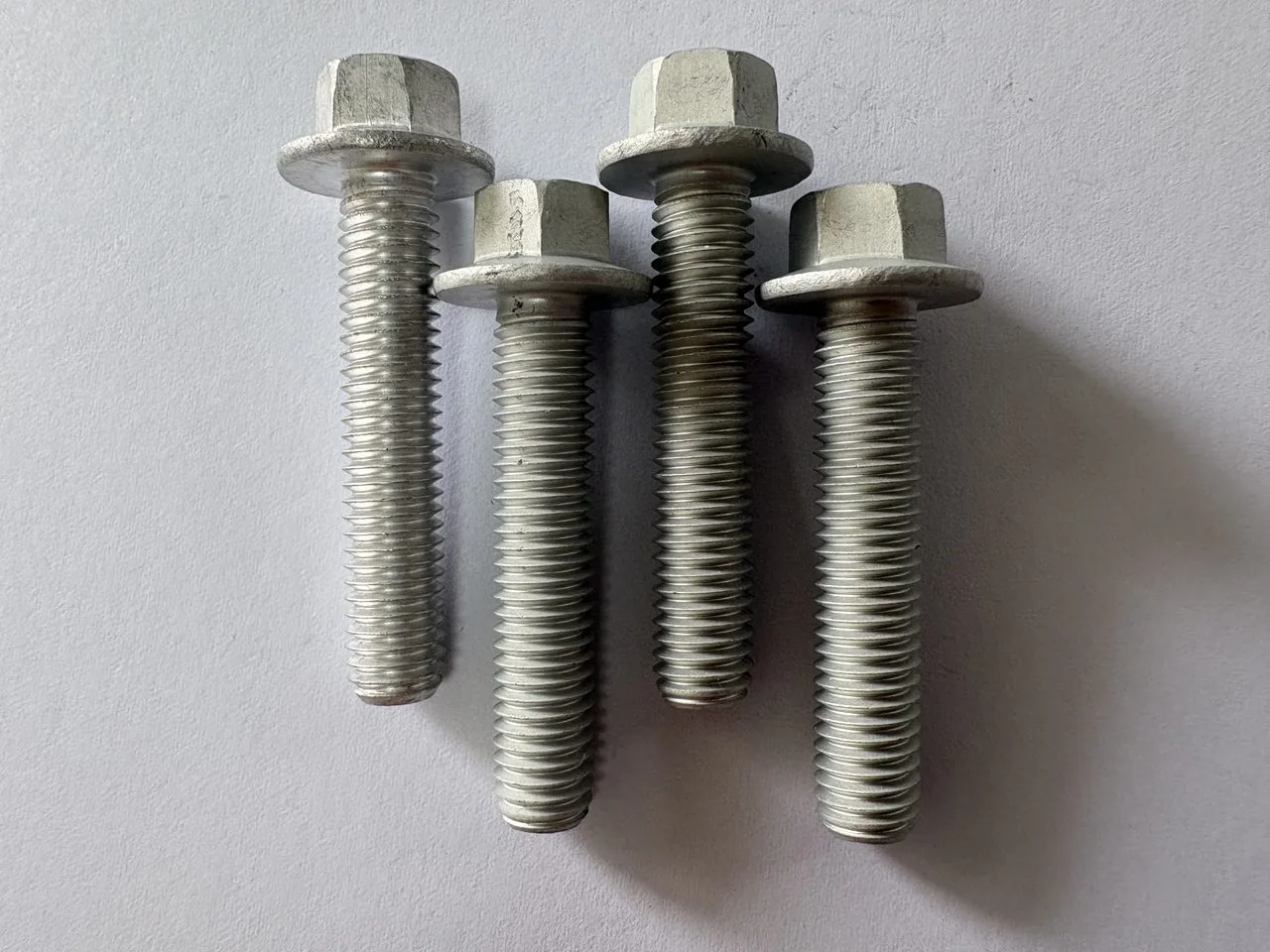
The special demands fall into five dimensions. The first is accuracy control: end equipment is extremely highly integrated and the fasteners are very small, so micron-level accuracy is required and thread accuracy and dimensional tolerances have to be held tightly, otherwise dimensional deviation disturbs the assembly accuracy of the equipment and causes operating faults. The second is cleanliness: semiconductor wafers and electronic components are extremely sensitive to dust and metallic particles, so fastener surfaces must be free of dust, residue and shed particles that could contaminate the product. The third is resistance to electromagnetic interference: semiconductor production equipment and precision electronic instruments generate high-frequency electromagnetic fields in operation, so the fastener needs low permeability and high insulation so that it does not disturb signal transmission or operating stability. The fourth is corrosion resistance and stability: the operating environment may involve high temperature, chemical reagents or humidity, so the fastener needs excellent corrosion resistance and high-temperature stability, otherwise ageing and failure shorten equipment life. The fifth is light weight: precision electronic equipment pursues small size and low weight, so lightweight materials are needed while sufficient strength is maintained.
Accuracy: Micron Tolerances and 6H Threads
For accuracy control, YF Zhichengjia uses high-precision processes and equipment within a strict accuracy control system. The company has introduced high-precision cold headers and CNC machining centres from Germany and combines them with in-house die design, so that for micro fasteners in sizes M1-M5 the dimensional tolerance is held within plus or minus 0.01 mm, thread accuracy reaches 6H or better, and form and position tolerances such as flatness and perpendicularity meet the highest industry standards. Automated production replaces manual operation, removing human error and keeping accuracy consistent from batch to batch, which suits the high-density assembly of precision electronic equipment.
Cleanliness: Class 100 Rooms and SEMI/IPC Standards
For cleanliness control, the company runs a dedicated clean production area with air cleanliness to Class 100, equipped with high-efficiency particulate filters, antistatic flooring and a closed transfer system that prevent dust and static contamination during production. Production uses oil-free machining together with ultrasonic cleaning, and the fasteners pass through several cleaning and drying stages so that the surface carries no oil, residue or metallic dust. Vacuum packing prevents secondary contamination in transport and storage, and every batch is checked for cleanliness before delivery to confirm compliance with SEMI standards for the semiconductor industry and IPC standards for the electronics industry.
Electromagnetic Interference: Low-Permeability Materials and Insulating Coatings
For resistance to electromagnetic interference, YF Zhichengjia uses low-permeability materials such as non-magnetic 316L stainless steel and titanium alloy, with permeability held below 1.01 so that interference is not generated; anodising, passivation and similar surface treatments form an insulating coating on the fastener that raises insulation and stops current conduction from disturbing equipment operation. The fastener geometry is also optimised to reduce exposed metal surface area and lower the interference risk further, which suits equipment as sensitive as semiconductor lithography machines and precision sensors.
Corrosion Stability and Light Weight
For corrosion resistance and stability, customised solutions are provided to suit the duty. In high-temperature environments, superalloy materials keep good strength and stability above 600 C and resist ageing and distortion; in chemically corrosive environments, surface treatments such as Dacromet and electropolishing raise resistance to acids, alkalis and corrosion, with salt spray protection beyond 960 h; and a tightly controlled heat treatment optimises the microstructure, improving fatigue resistance and dimensional stability so that the fastener does not distort or fracture under high-frequency vibration.
For light weight, high-strength aluminium alloys and titanium alloys are used, which cut weight by 30%-50% against conventional carbon steel fasteners while the strength requirement is still met, matching the trend towards smaller and lighter precision electronic equipment. The geometry is optimised as well, with hollow and profiled forms that reduce weight further without lowering strength, so that the assembly requirement of the end equipment is satisfied.
Full-Project Inspection and One-Stop Customisation
YF Zhichengjia also runs a dedicated inspection system for fasteners in precision electronics and semiconductors, covering accuracy, cleanliness, magnetism, corrosion resistance and insulation as a full project, with optical microscopes, permeability testers and cleanliness analysers on hand so that every batch meets the special requirements of the industry. Customised development is offered as well: the fastener design is optimised around the customer's equipment structure and duty, and development, sampling and volume production are provided as a one-stop service that covers the application needs of both high-end fields.