
Trade Friction Rises: Building Resilience in the Fastener Supply Chain
Executive Summary
Global trade friction and geopolitical conflict, combined with volatile raw material prices, are putting pressure on fastener exports. Through diversified market layout, a shift to high-end products, international certification and supply chain digitalization, companies are building resilience faster to cope with long-term uncertainty.
Table of Contents
Trade Friction and Supply Chain Uncertainty
In recent years global trade friction has kept escalating. A number of countries have launched anti-dumping investigations, additional tariffs and other trade restrictions against fastener products; combined with geopolitical conflict and volatile raw material prices, the fastener supply chain faces unprecedented uncertainty. To manage risk, companies across the industry are speeding up supply chain resilience building through diversified layout, technology upgrades and standards alignment, so as to limit the impact of the external environment on operations. Supply chain resilience has become a core competitive capability for survival and growth.
Trade Barriers in Major Export Markets
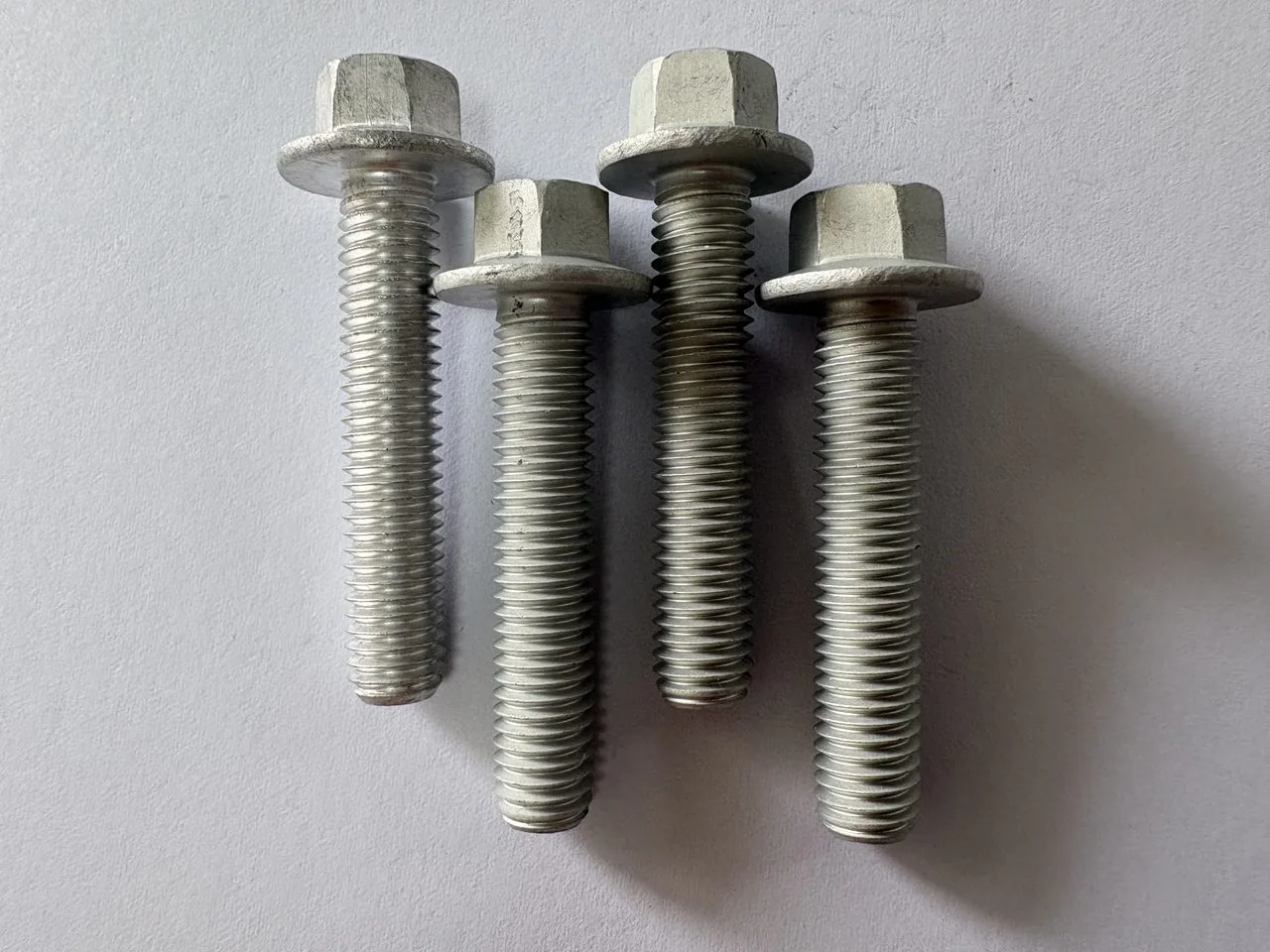
Escalating trade friction puts considerable pressure on exports. Since 2025, Mexico's Ministry of Economy has opened an anti-dumping investigation into Chinese steel bolts, covering products with diameters from 3.175 mm to 50.8 mm; the Canada Border Services Agency issued a final sunset review determination on anti-dumping and countervailing duties for carbon steel fasteners from mainland China, confirming that dumping and subsidies could continue if current measures were removed; the United States has also announced additional tariffs on some Chinese goods, adding to global trade volatility. These measures have shrunk orders for some small and medium Chinese fastener companies and pushed up export costs, leaving exports in a pattern of rising volume and falling prices. From January to August 2025, China's total fastener exports grew 11.2% year on year, while the average unit price per tonne slipped 3.4% from the same period in 2024.
Raw Material Volatility Adds Risk
Raw material price swings add further supply chain risk. The fastener industry is highly sensitive to input price changes: steel materials account for 55%-70% of total production cost, and non-ferrous metals such as copper and aluminum for about 15%-20%. Between the third quarter of 2021 and the second quarter of 2022, the international rebar price index climbed from USD 580 to USD 780 per tonne and the benchmark cold-rolled coil price rose 23%, driving a sharp increase in procurement costs; average industry gross margin was squeezed by 3.5 percentage points over the same period, and small and medium producers ran 5.8% idle capacity. From the second quarter of 2025, the cold-heading steel price index may see cyclical swings of 8%-12% as iron ore supply adjusts, which further tests cost control.
Diversification and Resilience Building
Facing a complex external environment, companies across the industry are speeding up supply chain resilience building, with diversification as the core strategy. On market layout, they are optimizing export mix: while holding share in high-end European and North American markets, they are focusing on emerging markets along the Belt and Road, in Central and Eastern Europe and in South America, to reduce dependence on any single market. In the first half of 2025, China's fastener exports to Belt and Road countries grew 42% year on year, becoming a new growth driver. On supply chain layout, companies are building diversified raw material sourcing, establishing long-term relationships with multiple suppliers and stepping up hedging to avoid raw material price risk; among leading companies, hedging coverage has risen from 43% in 2023 to 67% in 2025.
Technology Upgrades and Standards Alignment Break Barriers
Technology upgrades and standards alignment have become important ways for companies to break through trade barriers. By investing more in R&D, companies raise the technology content and added value of their products and shift from conventional standard parts to high-end custom parts, sidestepping trade friction in low-end markets. They are also aligning with international standards and entering high-end overseas supply chains through certifications such as AS9100D and IATF16949, which reduces the impact of trade barriers. Chinese companies have made notable progress in aerospace fastener certification: the C919 programme has helped relevant companies obtain 400% more AS9100D certificates than in 2018, laying a foundation for entering overseas aerospace markets.
The Strategic Direction Ahead
Going forward, as the global trade landscape keeps changing, supply chain resilience building will become a long-term strategic priority for fastener companies. Firms need to further optimize their global footprint, strengthen technical innovation and improve digital supply chain management, while deepening coordination with upstream and downstream partners to build a stable, efficient and diversified supply chain and achieve steady growth in a complex environment.