
Cold Heading Line Digitalization: Data Before Systems
Executive Summary
In fastener plants the usual digitalization sequence is backwards: a system goes in first and the question of what data to collect comes later.
Table of Contents
Step one is not buying a system
When fastener plants go digital, the common sequence is to install a system first and decide what data to collect afterwards. That order is backwards. Data collection presupposes clear answers to three questions: which defect a given parameter drift will cause, who responds to it, and how the response is verified as effective.
Without those three answers, the data you collect is only a pile of curves. It can neither warn nor assign responsibility, and it ends up as a dashboard in the showroom.
Start with three families of parameters
Few parameters on a cold heading line are worth collecting first. The first family is equipment state: main motor current, hydraulic pressure and blow count, which together cover most die faults and feeding problems. The second is process parameters: feed length, cut-off position and forming pressure. The third is quality outcome: in-line measurements of critical dimensions.
These three only mean something when linked. A current curve on its own cannot identify a problem; matching a current anomaly to the dimensional deviation of the same batch is what separates die wear from material variation, and the two call for completely different responses.
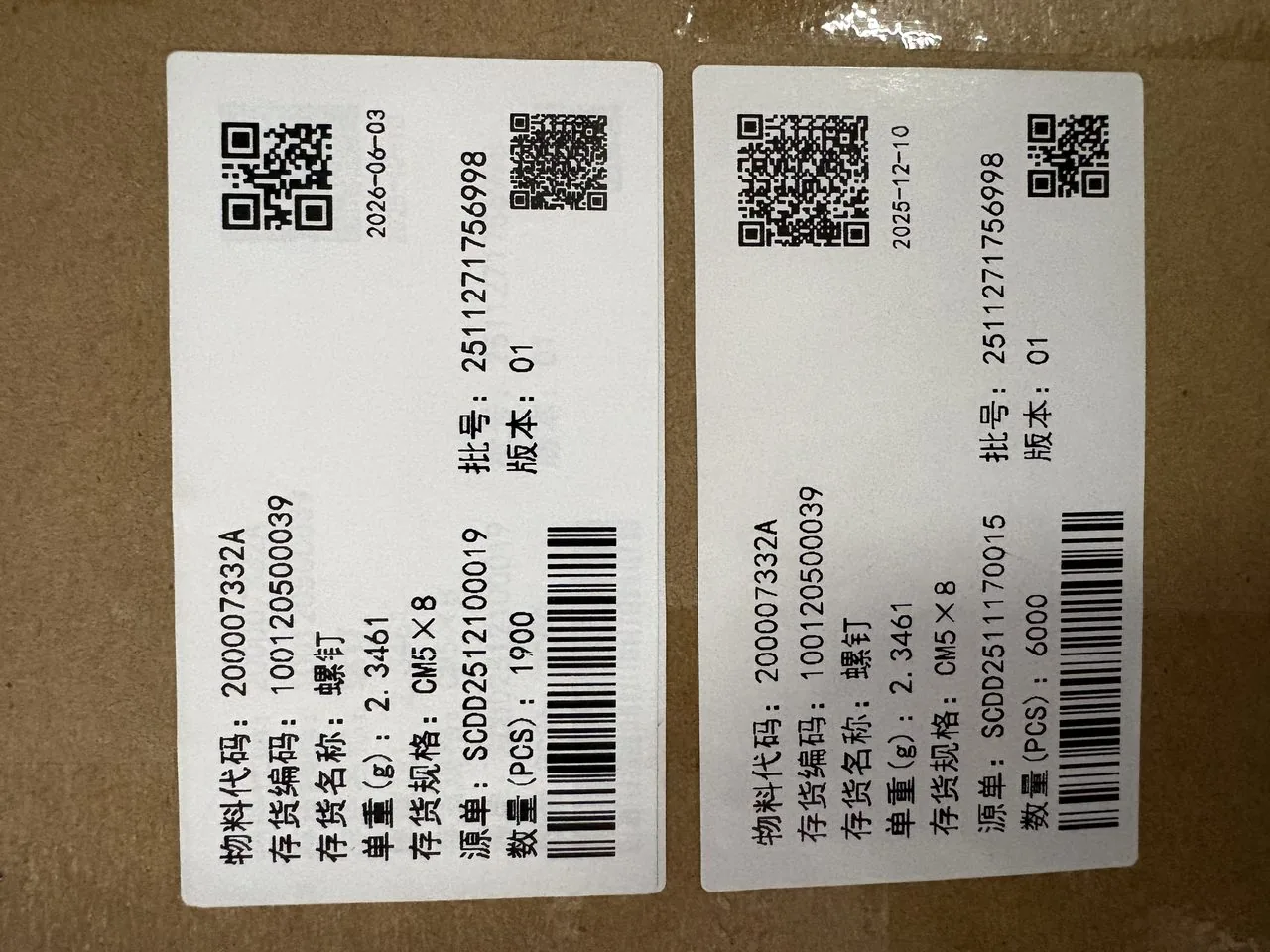
On-site photo
Alerts must land on a person
The biggest problem with alerts is not sensitivity but ownership. A parameter alarm posted to a group chat goes unread within three days; that is the norm.
A workable approach is to bind alerts to work orders: a triggered alert automatically creates a pending record, assigns an accountable role, requires a cause and a countermeasure at closure, and feeds the closure point into team performance review. Technically this is simple; the hard part is actually running it that way.
Where patents fit in
Combining existing process patents with line control is more concrete than adding a standalone system. The invention patent for a motor stop bolt, for instance, addresses a locking structure, but its forming operation demands high die position accuracy, and that requirement in turn constrains where inspection points are placed along the line.
The patent covering elastic pin assembly equipment follows similar logic: feeding, press-fitting and inspection are closed into a single cycle, reducing the bumping and mixing caused by intermediate transfer. Such improvements are unspectacular but cut rework directly.
The limits of automation
Not every operation is worth automating. For orders with small batches and frequent changeovers, payback on automation is long and manual work is more flexible. The usual criteria are annual volume and changeover count, not the fact that everyone else has done it.
Another easily overlooked cost is maintenance. When automated equipment stops, the whole line stops. Spare parts inventory and repair capability must keep pace; otherwise the higher the level of automation, the greater the impact of a single point of failure.