
Anti-galvanic corrosion parts Galvanic corrosion protection for magnesium-to-dissimilar-metal joints
High-Strength Aluminum Alloy Bolts
Product photos
Actual photos, not renders
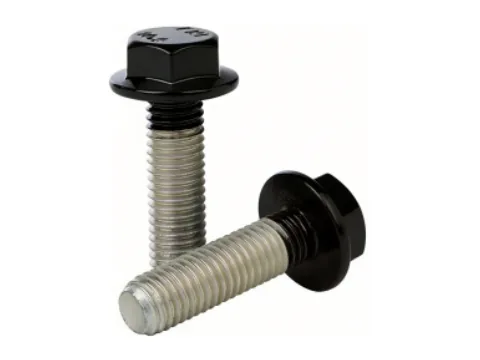
Illustration note
The image shows an actual part of this specification; appearance differs with surface treatment and head style, and the delivered part prevails.
Images are for appearance and structure reference; dimensions and tolerances are subject to the specifications and the applicable standards on this page.
Product description
Compiled from the existing technical description of this product on this site
The magnesium alloy galvanic corrosion coating bolt applies a special anti-corrosion coating to the magnesium substrate and is used to join magnesium to dissimilar metals such as steel and aluminum. The coating forms an electrochemical barrier between the two metals and interrupts the galvanic circuit, suppressing accelerated corrosion at the contact area and extending fastener life in humid and salt-spray environments.
Specifications
The parameters listed on this page are subject to final inspection and the applicable standards; items not listed follow the customer drawing or the order agreement and are not committed by default.
| Material | Magnesium alloys |
|---|---|
| Surface treatment | Special anti-corrosion coating |
| Standard | Customer drawing / company standard; coating corrosion performance per GB/T 10125 (salt-spray testing) |
| Typical application | Galvanic corrosion protection for magnesium-to-dissimilar-metal joints |
Spec lookup
Check directly against your operating conditions across the 2 models in this series — client-side filtering only, no redirect, no URL change
Filter results are based on the specification fields published on each model page and are for preliminary screening only; the final selection must be confirmed in light of the actual load, plate thickness and assembly process.
Drawings & customization
No public catalogue is available for this series; drawing-based requests are handled per project.
Made to drawing / sample replication
A 2D drawing or a physical sample is enough for evaluation; once confirmed, we issue drawings, build samples and obtain first-article approval before volume production. Drawings and project information are handled under confidentiality requirements.
Manufacturing process
The usual process route for this product family; actual operations follow the drawing and order requirements.
- Substrate formingCold heading or turning
- Isolation coating / anodizingInterrupting the galvanic path
- Salt-spray verifiedSampling inspection at the agreed interval
- 100% dimensional inspectionFit and thread accuracy
Capacity & delivery
Taken from the company's published capacity and certification information; no unverified claims are included.
FAQ
Material, standards, surface treatment and installation points for this model; the data comes from the specification table on this page and from the national standards cited in the answers.
Q1What material does the “Magnesium Alloy Galvanic Corrosion Coating” use? What strength level does it reach?
Marked in the specification table on this page: material is magnesium alloy. Material certificates and mechanical property test reports can be supplied with the goods; batch acceptance follows the data above.
Q2Which surface treatments does the “Magnesium Alloy Galvanic Corrosion Coating” offer? How do I choose?
Surface treatment marked in the specification table on this page: special anti-corrosion coating. Each finish differs in appearance, corrosion resistance and cost; choose according to the operating environment and the order agreement.
Q3In which applications is the “Magnesium Alloy Galvanic Corrosion Coating” used?
Typical applications listed on this page: magnesium die-cast structural parts; laptops and consumer electronics; lightweight automotive components; UAVs and portable devices. Overview: the magnesium alloy galvanic corrosion coating bolt applies a special anti-corrosion coating to the magnesium substrate and is used to join magnesium to dissimilar metals such as steel and aluminum.
Q4What are the main features of the “Magnesium Alloy Galvanic Corrosion Coating”?
Features listed on this page: the special coating forms an electrochemical barrier and suppresses galvanic corrosion; designed for mixed joints of magnesium and dissimilar metals; the coating bonds firmly to the substrate and resists flaking during assembly; sealing structures can be added to raise the protection level further.
Q5How does galvanic corrosion occur, and how does the “Magnesium Alloy Galvanic Corrosion Coating” counter it?
When two metals with different potentials touch and are electrically connected in an electrolyte (humid air, a water film, etc.), the more negative metal acts as the anode and corrodes faster. Direct contact between aluminum or magnesium and steel is the most common high-risk combination. This paragraph explains the mechanism; verification follows GB/T 10125 salt-spray testing and GB/T 15748 galvanic corrosion testing. For this model, the data in the specification table on this page applies. (Applies to this model: “Magnesium Alloy Galvanic Corrosion Coating”.)
Related models
Alternative sizes in the same series and cross-series fasteners commonly used together
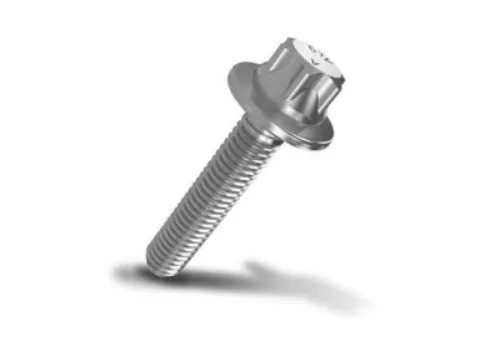
Anti-galvanic corrosion parts
Specialized Anti-Corrosion Bolts for Magnesium Alloys
The product is a high-strength aluminum bolt with excellent mechanical properties and corrosion resistance, designed for fastening to magnesium die-castings, and effectively prevents galvanic corrosion
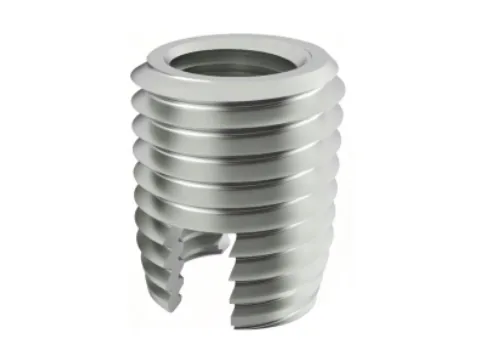
Thread Inserts
Type 302 slotted self-tapping inserts
The Type 302 slotted self-tapping insert is made of stainless steel or carbon steel, with a slotted structure that can form an internal thread by self-tapping, used to reinforce the thread strength of the base material. ...
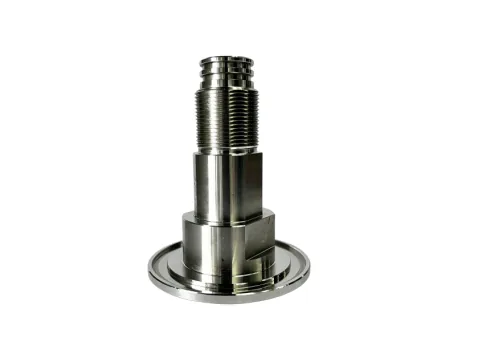
High-strength aluminium alloy parts
Aluminum 6061 Lifting Sleeve
The 6061 aluminium-alloy lifting sleeve is a core precision structural part for new-energy vehicle battery packs and is used mainly for lifting during battery pack assembly.
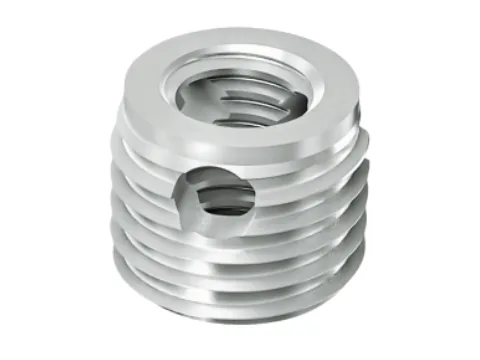
Thread Inserts
Type 308 self-tapping inserts
Type 308 self-tapping inserts
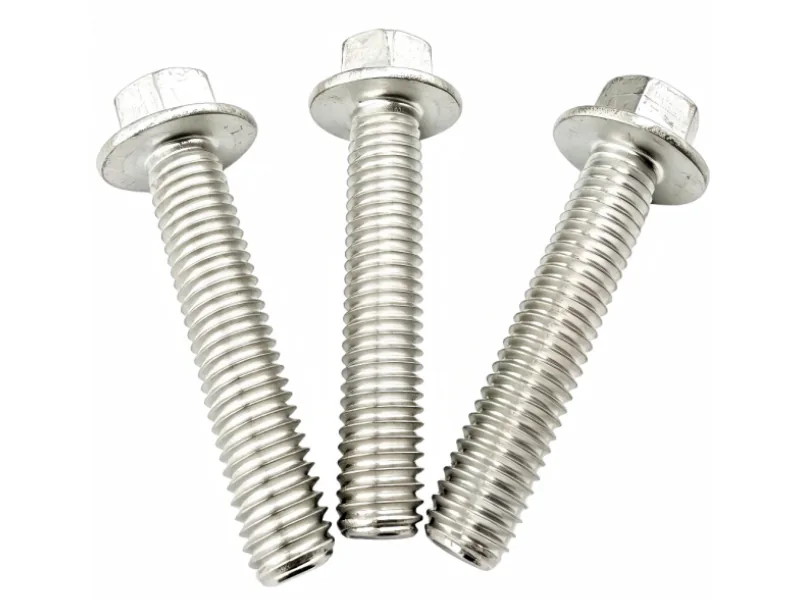
High-strength aluminium alloy parts
ZT68-600 MPa Cold-Forged High-Strength Aluminium Bolt
ZT68-600 MPa Cold-Forged High-Strength Aluminium Bolt Dedicated Lightweight Fastening Solution for New-Energy Magnesium Alloys