
Product photos
Actual photos, not renders
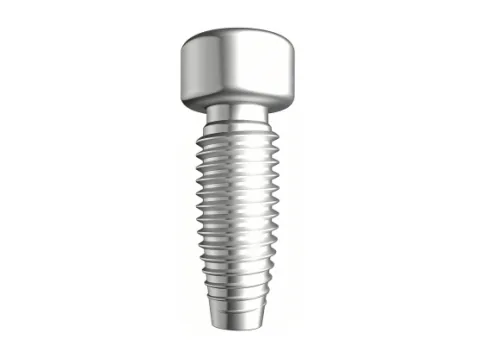
Illustration note
The image shows an actual part of this specification; appearance differs with surface treatment and head style, and the delivered part prevails.
Images are for appearance and structure reference; dimensions and tolerances are subject to the specifications and the applicable standards on this page.
Specifications
The parameters listed on this page are subject to final inspection and the applicable standards; items not listed follow the customer drawing or the order agreement and are not committed by default.
| Thread profile | Trilobular (thread-forming) |
|---|---|
| Features | Anti-loosening through interference fit, faster assembly |
| Connection method | Taps directly into light-alloy die castings to form a thread |
Drawings & customization
No public catalogue is available for this series; drawing-based requests are handled per project.
Made to drawing / sample replication
A 2D drawing or a physical sample is enough for evaluation; once confirmed, we issue drawings, build samples and obtain first-article approval before volume production. Drawings and project information are handled under confidentiality requirements.
Manufacturing process
The usual process route for this product family; actual operations follow the drawing and order requirements.
- Part formingCold heading or turning
- Surface treatmentSelected according to assembly requirements
- AssemblySeveral parts combined into a unit ready for direct assembly
- Function verificationTorque and assembly interference check
Capacity & delivery
Taken from the company's published capacity and certification information; no unverified claims are included.
FAQ
Material, standards, surface treatment and installation points for this model; the data comes from the specification table on this page and from the national standards cited in the answers.
Q1What are the main features of the trilobular thread-forming screw?
Features listed in the product description on this page: anti-loosening through interference fit, faster assembly.
Q2What are the head type, drive and structure of the trilobular thread-forming screw?
The specification table on this page states: thread profile is trilobular (thread-forming). Structural details are subject to the drawing.
Q3Is the trilobular thread-forming screw thread-forming or thread-cutting?
Thread-forming (self-extruding) screws form the internal thread by plastic displacement, leaving no chips and giving a cold-work-hardened flank with higher strength; thread-cutting screws remove material to form the thread, requiring lower torque but producing swarf. For plastic and thin sheet-steel joints, thread-forming types are preferred. This section explains the mechanism; mechanical properties are verified to GB/T 3098.1, and the data for this model is taken from the specification table on this page. (Applies to this model: trilobular thread-forming screw.)
Q4What should be noted when the trilobular thread-forming screw is used in plastic parts?
Plastic parts carry a high risk of creep and stress cracking: choose a thread profile with low forming torque, control the tightening torque, drill the pilot hole to the recommended size and leave clearance; at elevated temperatures, allow for the loss of clamp load as the plastic softens. This section explains the mechanism; mechanical properties are verified to GB/T 3098.1, and the data for this model is taken from the specification table on this page. (Applies to this model: trilobular thread-forming screw.)
Q5What are the core performance and design features of the trilobular thread-forming screw?
Product description on this page: this trilobular thread-forming screw uses a trilobular thread design that taps directly into light-alloy die castings to form a thread; the interference fit provides excellent anti-loosening performance and improves assembly efficiency. ...
Related models
Alternative sizes in the same series and cross-series fasteners commonly used together
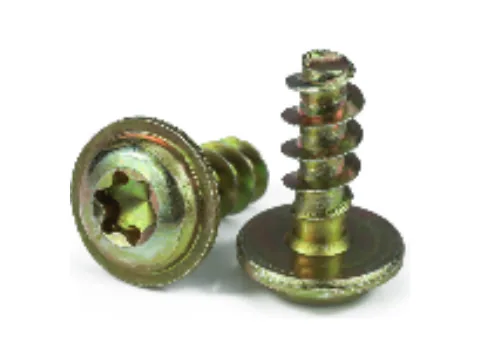
Direct assembly parts
High-Performance Tri-lobular Thread Rolling Screws
The PT Torx pan-head flanged plastic self-tapping screw has a Torx drive that prevents cam-out, and the flange face distributes stress. Designed for plastics and light metals, it prevents bursting
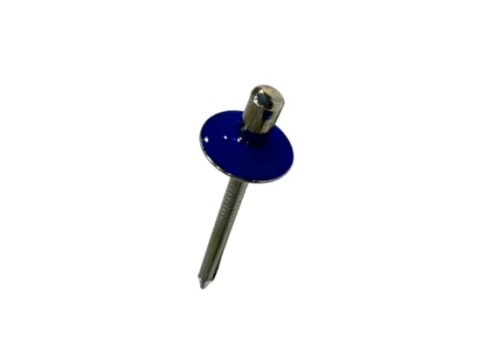
Anti-Loosening
Type 69 Pre-applied Sealant Sealing Blind Rivet
The Type 69 pre-applied adhesive sealing rivet uses a pre-coating process; the adhesive cures after riveting to form a seal, providing waterproof and anti-loosening functions, fixed by riveting
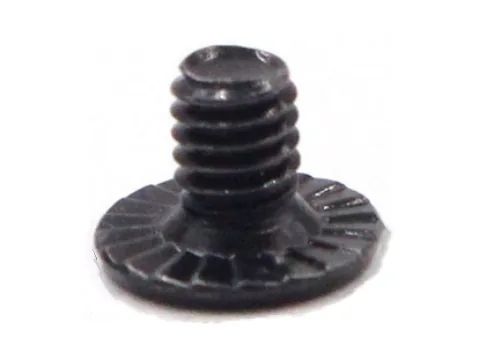
Anti-loosening
0.6mm CM ultra-thin head micro screw with serrated locking
A 0.6 mm ultra-low head profile greatly reduces the assembly space; a precision serrated structure is integrated under the head.
Anti-Loosening
Pre-applied Adhesive Sealing Blind Rivet Stud
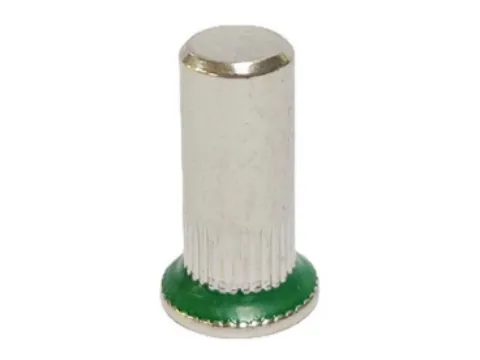
The Type 71 flat-head knurled sealing rivet nut adopts a flat-head knurled design with a sealing function. Installed by riveting, it provides a reliable threaded connection
Anti-loosening
Hexalobular Socket Head P85 Anti-Loosening Screw
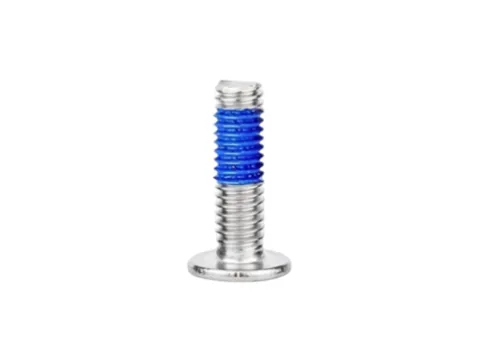
The CM ultra-low head design greatly reduces head thickness to suit extremely tight assembly spaces. The thread is pre-coated with a high-performance nylon locking adhesive