
M&A Accelerates as the Fastener Industry Consolidates
Executive Summary
Mergers and acquisitions are accelerating across the fastener industry as capital concentrates at the top. Domestic players are integrating horizontally and vertically, multinationals are realigning global capacity, and CR10 has risen from below 15% to over 25%, though cultural integration and overseas compliance still need to be managed.
Table of Contents
M&A Trends and Rising Concentration
Against a backdrop of industrial upgrading and intensifying competition, mergers and acquisitions are a clear trend in the fastener industry: capital is concentrating among leading companies and overall concentration keeps rising. In recent years leading domestic and international players have used M&A to integrate value-chain resources, expand market share and strengthen competitiveness, while smaller producers without technical or financial support are being squeezed out of the market. The industry is settling into a pattern of large companies leading and small and medium enterprises filling the gaps, which lays the foundation for higher-quality growth.
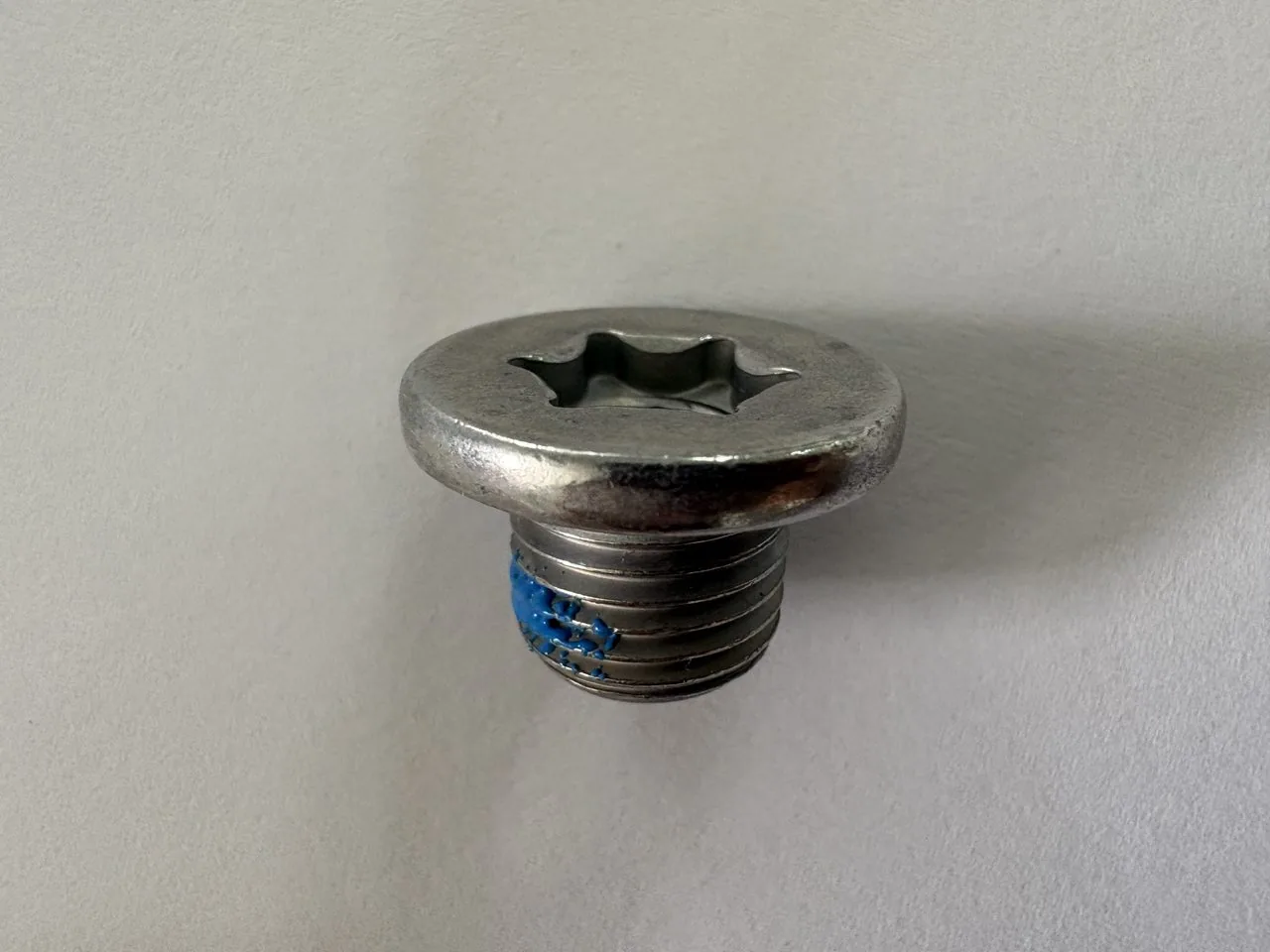
Domestic M&A Focuses on Value-Chain Integration
Domestic M&A centres on value-chain integration and technology upgrading. As competition intensifies, leading domestic companies are acquiring to widen their business scope and complete their value-chain position. Horizontally, they consolidate capacity, enlarge production scale, gain market share and cut unit cost, capturing economies of scale. Vertically, they extend along the chain, acquiring raw material suppliers, testing laboratories and downstream user companies, to build a coordinated full-chain system with a more stable and resilient supply chain. Some also acquire small and medium enterprises with core technology to obtain advanced know-how and R&D teams quickly, break through technical bottlenecks and accelerate their move upmarket. Leading companies that acquired firms with ultra-high-strength material processing capability, for example, moved rapidly into aerospace and new energy vehicle markets and raised product value added.
International M&A Focuses on Global Footprint
International M&A focuses on global footprint and market expansion. As the global fastener landscape is reshaped, multinationals are optimising capacity worldwide and expanding overseas market share. Leading European and American companies acquire local firms to defend regional positions and acquire emerging-market firms to capture growth opportunities; Chinese companies acquire overseas to obtain advanced technology and brand assets, enter high-end global supply chains and improve international competitiveness. One example: acquiring a European or American company holding AS9100D certification gives a Chinese manufacturer aerospace fastener production qualification quickly, opening overseas aerospace markets and enabling a genuinely global footprint.
CR10 Keeps Rising as Leaders Extend Their Lead
M&A is driving concentration higher and making the advantages of leading companies more pronounced. Data show that CR10, the combined market share of the top ten companies, was below 15% in the domestic fastener industry in 2020, rose above 25% in 2025, and is expected to exceed 40% by 2030. Through M&A, leaders integrate resources and build clear advantages in technology development, production scale and market channels, earning gross margins 8-10 percentage points above the industry average. They can also respond quickly to downstream demand with customised solutions, further entrenching their market position. Smaller producers survive by focusing on niches and competing on differentiation; some become suppliers to the leaders, forming a coordinated industrial ecosystem.
M&A Risks and How to Control Them
M&A also brings multiple challenges that require disciplined risk control. Cultural integration and management consolidation can, if handled poorly, hurt operating efficiency. Overseas deals face trade policy, legal and regulatory, and exchange-rate risk, which raises the difficulty of the transaction. Funding needs are large and test the financial strength of the acquirer, and some companies cannot complete a deal under funding pressure. Companies should therefore carry out thorough due diligence, develop a sound integration plan and strengthen risk control so that the objectives of the transaction are actually achieved.
Outlook
As industrial upgrading continues, M&A will remain a long-term trend in the fastener industry. Concentration will rise further, and leading companies will gradually set the industry agenda, driving technology innovation and standard setting. Smaller producers will polarise: some will exit, others will focus on niches and differentiate. M&A will also push the industry towards greater intensification and higher value, raising overall competitiveness and giving downstream manufacturers higher-quality fasteners and services.