
Fastener Selection Guide: How to Choose by Working Condition
Executive Summary
Choose the right fastener and the equipment causes fewer problems; choose wrong and loosening, fracture and corrosion follow. This article works through five steps - application and load, property class, material and protection, fastener type, standards and cost - against the load capacity of class 8.8 and 12.9 and the applications of 304, 316L, Hastelloy and titanium, so that you can build a selection logic you can actually apply.
Table of Contents
In industrial manufacturing, construction and electronic equipment, fasteners are the core connecting element, and how well they are selected directly affects product stability, reliability and service life. Different applications, loads and environments place different demands on fastener type, material, size and performance. Many companies still run into loosening, fracture and corrosion because of poor selection, which hurts both production efficiency and product quality. Drawing on years of industry experience, YF Zhichengjia Precision Hardware (Shenzhen) Co., Ltd. explains here how to select fasteners that match the working condition, so that companies can avoid selection risk and improve product quality.
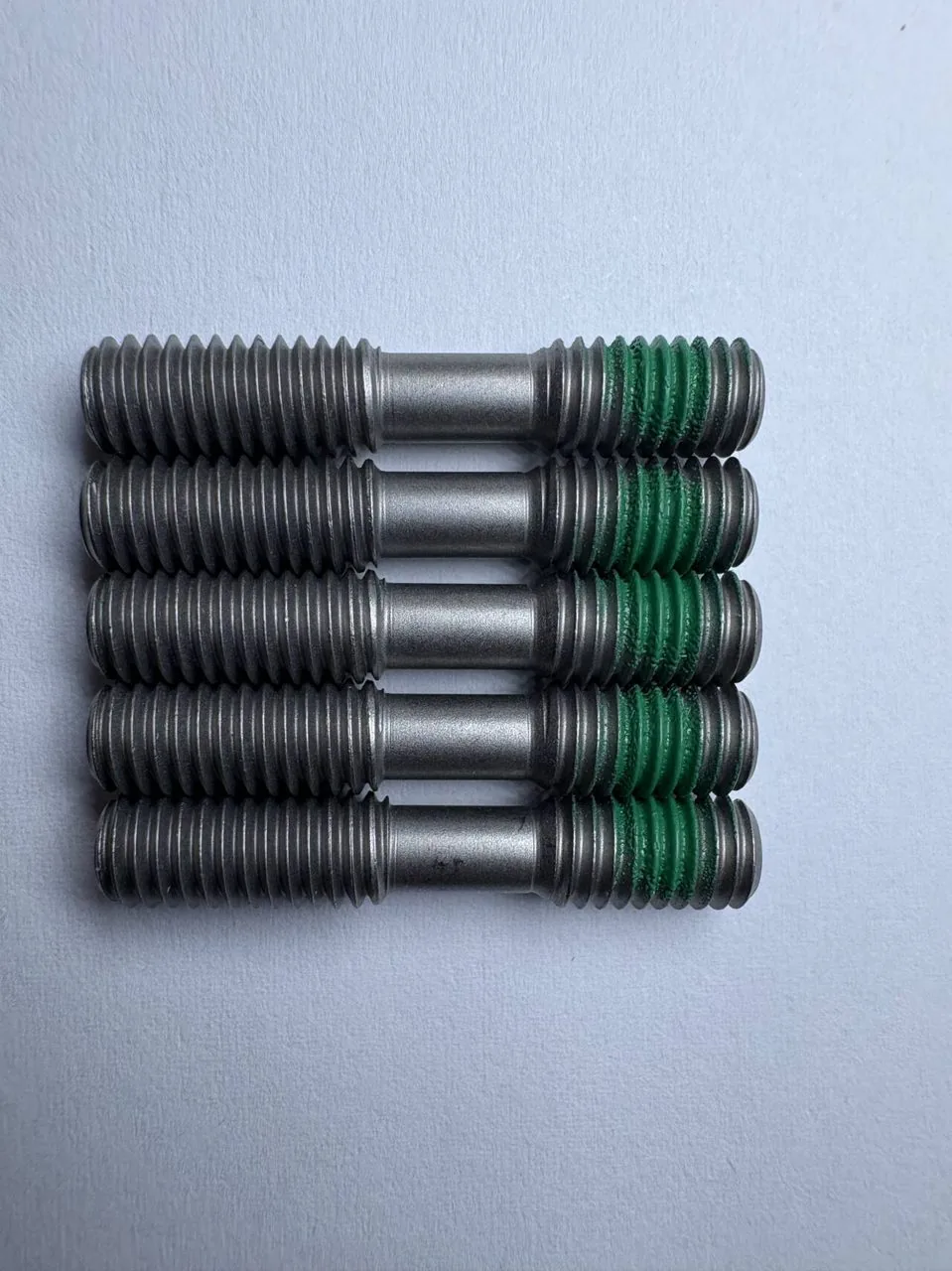
Define the Application and the Load Type
The first step, and the basis of the whole selection, is to define the application and the load situation. Load type, load magnitude and vibration differ considerably between applications and directly determine the fastener type and property class. In static load applications, such as fixed equipment brackets or structural connections, the fatigue requirement is comparatively low and ordinary bolts and nuts can be used; in dynamic load applications, such as mechanical transmission parts or rail transit connections, the fastener carries alternating load and is prone to fatigue fracture, so high-strength, high-toughness fasteners such as class 10.9 and 12.9 bolts are required, together with anti-loosening devices.
Set the Property Class from the Load Magnitude
For load magnitude, the load capacity the fastener needs has to be calculated from the forces at the joint, and the size and property class chosen accordingly. According to the Mechanical Design Handbook (7th edition), the load capacity of a fastener is closely related to its tensile strength, yield strength and thread size: a class 8.8 bolt, for example, has a tensile strength of at least 800 MPa and a yield strength of at least 640 MPa and suits medium loads, while a class 12.9 bolt reaches at least 1200 MPa tensile and 1080 MPa yield and suits high loads. YF Zhichengjia recommends that companies either commission a qualified engineer to carry out the load calculation or consult the technical team of the fastener manufacturer, so that the selection is sound and breakage from insufficient load capacity is avoided.
The Service Environment Decides Material and Surface Protection
The next step is to choose the material and surface protection process that suit the service environment. Temperature, humidity and corrosive media act directly on corrosion resistance, heat resistance and low-temperature performance, and a poor choice of material or coating leads to corrosion, oxidation and embrittlement that shorten service life.
In an ordinary environment (room temperature, dry, non-corrosive), carbon steel fasteners can be used: cost is lower and they meet the basic fastening requirement. In damp, dusty environments, stainless steel fasteners such as 304 or 316 are needed, since their good corrosion resistance withstands the attack of a humid atmosphere. In high-temperature environments, such as boilers or around engines, heat-resistant materials such as superalloys and heat-resistant steels are needed, since they keep good mechanical properties at temperature. In corrosive environments, such as marine engineering or chemical plant, materials with high corrosion resistance such as 316L stainless steel or Hastelloy are needed, combined with surface protection such as Dacromet or zinc-aluminium coatings to raise corrosion resistance further.
YF Zhichengjia points out that fasteners of different materials differ considerably in performance and application. 304 stainless steel suits ordinary corrosive environments and can exceed 72 h of salt spray protection; 316L stainless steel contains Mo, which strengthens resistance to pitting and crevice corrosion, and suits severe environments such as marine and chemical plant; titanium alloys suit high-temperature, non-magnetic environments and fit aerospace and medical equipment. Companies should therefore choose material and surface protection precisely against their own service environment.
Choose the Fastener Type from the Assembly Method
Next, choose the fastener type that suits the assembly method and the assembly requirement. Different assembly methods, assembly space and disassembly needs place different demands on the type of fastener. The common types are bolts, nuts, screws, washers and rivets, and each has its own field of application.
Bolts and nuts are normally used where the joint has to be demountable, with sufficient assembly space and repeated disassembly, such as the component connections of machinery. Screws are mostly used for wood, plastics and softer metals, need no nut, are quick to install and suit confined assembly spaces, such as fixing the housings of electronic equipment. Washers mainly enlarge the contact area and spread the pressure so that over-tightening does not damage the joined parts, and at the same time provide anti-loosening and sealing; the type has to be chosen to suit the bolt size and the load (flat washer, spring washer or locking washer). Rivets are used for permanent connections that cannot be dismantled after installation, such as structural members and car body joints.
In addition, where vibration or shock is present during assembly, fasteners with an anti-loosening function or anti-loosening devices such as lock nuts, locking washers and split pins are needed to stop the fastener working loose under vibration. YF Zhichengjia recommends that companies weigh assembly method, assembly space and disassembly requirement carefully when selecting, so that installation is convenient and the connection reliable.
Standards and Cost-Effectiveness
Finally, follow the standards and specifications so that the selection is compliant and compatible. Fastener selection has to follow national or industry standards such as GB/T 3098.1, Fasteners - Mechanical properties - Bolts, screws and studs, and GB/T 197, General purpose metric screw threads - Tolerances, so that size and performance meet the standard. The fastener must also be compatible with the parts it joins: thread size and hole diameter have to match, otherwise the connection fails.
Companies should also apply the principle of cost-effectiveness and, provided the performance requirement is met, choose the fastener with the best value, avoiding over-specification and wasted cost. As a specialist precision fastener manufacturer, YF Zhichengjia can provide a customised selection scheme based on the customer's application, load and environment, recommend suitable products and so help companies cut selection cost and raise product reliability.
In summary, fastener selection has to weigh application, load, service environment, assembly method and standards together, and choose the type, material, size and performance that fit. Where doubts remain, consult a professional fastener manufacturer or engineer, so that quality problems from poor selection are avoided. YF Zhichengjia works from customer requirements and supplies high-quality precision fasteners with close fit, together with professional selection guidance, helping companies improve product quality and production efficiency.