
Anti-Loosening Long-life hole sealing without rubber aging concerns
Steel-ball expansion sealing plugs
Product photos
Actual photos, not renders
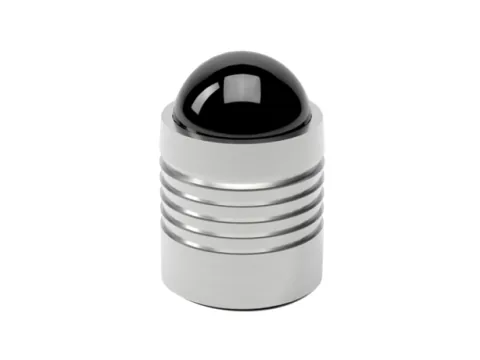
Illustration note
The image shows an actual part of this specification; appearance differs with surface treatment and head style, and the delivered part prevails.
Images are for appearance and structure reference; dimensions and tolerances are subject to the specifications and the applicable standards on this page.
Product description
Compiled from the existing technical description of this product on this site
The steel ball expansion sealing plug uses a steel ball as the expansion drive element; when pressed in, it forces the plug body to expand radially and press tightly against the hole wall, forming a metal-grade seal rated up to IP68. Its simple structure involves no elastomer ageing, making it suitable for maintenance-free, long-term sealing of process holes.
Specifications
The parameters listed on this page are subject to final inspection and the applicable standards; items not listed follow the customer drawing or the order agreement and are not committed by default.
| Material | Carbon steel / stainless steel (with steel ball) |
|---|---|
| Mounting method | Press-fit |
| Surface treatment | Zinc-plated / passivated (optional) |
| Sealing and conditions | All-metal steel-ball expansion seal; working pressure up to approx. 300–500 bar depending on size, temperature resistance approx. −40~+150 ℃; actual values confirmed by measurement per customer drawings |
| Standard | Per customer drawings / corporate standard; sealing rating IP68 (IEC 60529) |
| Typical application | Long-life hole sealing without rubber aging concerns |
Spec lookup
Based on your operating conditions, look up directly among the 15 models in this series — pure front-end filtering, no redirects, no URL changes
Filter results are based on the specification fields published on each model page and are for preliminary screening only; the final selection must be confirmed in light of the actual load, plate thickness and assembly process.
Drawings & customization
No public catalogue is available for this series; drawing-based requests are handled per project.
Made to drawing / sample replication
A 2D drawing or a physical sample is enough for evaluation; once confirmed, we issue drawings, build samples and obtain first-article approval before volume production. Drawings and project information are handled under confidentiality requirements.
Manufacturing process
The usual process route for this product family; actual operations follow the drawing and order requirements.
- Body formingCold heading or turning
- Sealing structureO-ring groove / face seal / expansion structure
- Seal assemblyO-ring, pre-applied adhesive or steel ball assembly
- Airtightness and watertightness sampling inspectionSampling inspection by sealing class
- Surface treatmentZinc-plated / passivated / anodised
Capacity & delivery
Taken from the company's published capacity and certification information; no unverified claims are included.
FAQ
Material, standards, surface treatment and installation points for this model; the data comes from the specification table on this page and from the national standards cited in the answers.
Q1What material is the steel-ball expansion sealing plug made of? What strength level does it reach?
The specification table on this page states: material is carbon steel / stainless steel (with steel ball). Material certificates and mechanical property test reports can be provided with the goods; batch acceptance follows the specifications above.
Q2What surface treatments are available for the steel-ball expansion sealing plug? How to choose?
Surface treatment specified in the specification table on this page: zinc-plated / passivated (optional). Different coatings differ in appearance, corrosion resistance and cost; select according to the service environment and the order agreement.
Q3In which applications is the steel-ball expansion sealing plug used?
Typical applications listed in the product description on this page: engine and gearbox housings; hydraulic and pneumatic components; hydraulic and pneumatic oil circuits (≤150 °C); battery packs and electronics control housings. Overview: the steel ball expansion sealing plug uses a steel ball as the expansion drive element; when pressed in, it forces the plug body to expand radially and press tightly against the hole wall, forming a metal-grade seal with an ingress protection rating of up to IP68. Its simple structure involves no elastomer ageing, making it suitable for maintenance-free, long-term sealing of process holes.
Q4How is the steel-ball expansion sealing plug installed? What precautions should be noted?
The specification table on this page states: mounting method is press-in. Hole diameter and sheet thickness should match the recommended values for each model; a trial installation is recommended before volume production.
Q5How should the sealing element material be chosen for the steel-ball expansion sealing plug?
Select according to the sealing medium, temperature and compression set requirements: nitrile rubber (NBR) is common for mineral oils, fluororubber (FKM) withstands high temperatures and chemical media, and silicone rubber offers good elasticity at low temperatures. O-ring sizes are selected per the GB/T 3452.1 series; avoid scratching and excessive stretching during assembly. (Applies to this model “Steel ball expansion sealing plug”.)
Related models
Alternative sizes in the same series and cross-series fasteners commonly used together
Anti-Loosening
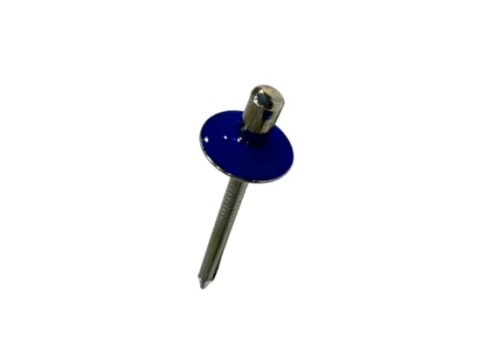
Type 69 Pre-applied Sealant Sealing Blind Rivet
The Type 69 pre-applied adhesive sealing rivet uses a pre-coating process; the adhesive cures after riveting to form a seal, providing waterproof and anti-loosening functions, fixed by riveting
Anti-Loosening
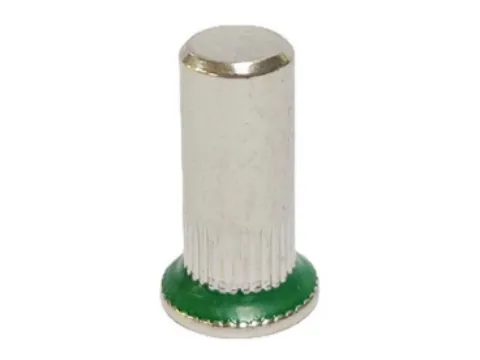
Pre-applied Adhesive Sealing Blind Rivet Stud
The Type 71 flat-head knurled sealing rivet nut adopts a flat-head knurled design with a sealing function. Installed by riveting, it provides a reliable threaded connection
Anti-Loosening
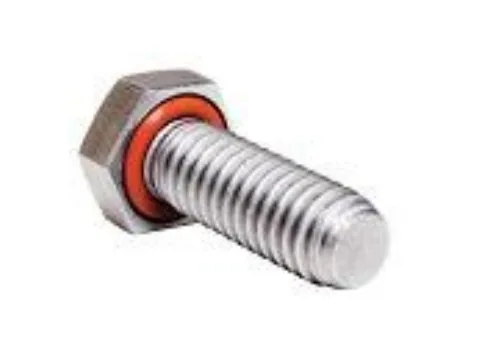
IP68 O-Ring Sealing Bolt
Using a precision under-head recess process, a high-performance sealing O-ring is embedded, completing the threaded connection and fluid isolation simultaneously. The product passes IP68 waterproof and dust-tight testing
Anti-loosening
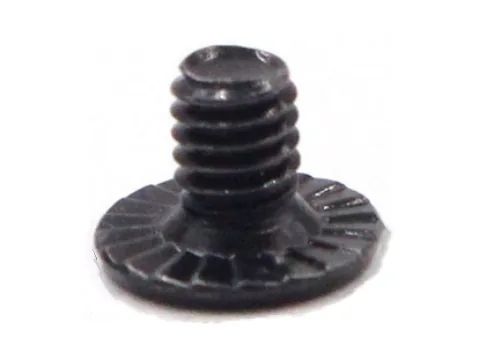
0.6mm CM ultra-thin head micro screw with serrated locking
A 0.6 mm ultra-low head profile greatly reduces the assembly space; a precision serrated structure is integrated under the head.
Riveting and clinching series
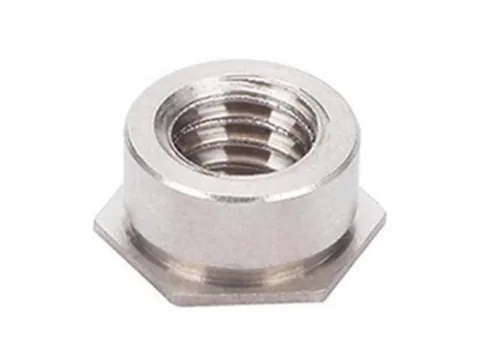
Ultra-Thin Anti-Loosening Self-Clinching Nut
1.2mm ultra-thin clinch nut, custom-made for thin sheet metal, hardened alloy steel