
Emerging Technologies Open a New Innovation Track for Fasteners
Executive Summary
3D printing, artificial intelligence and the Internet of Things are converging with the fastener industry: 3D printing lowers the cost of customisation, smart fastening systems move from passive connection to active monitoring, and digital control lifts efficiency across the process, though R&D spending and missing standards remain challenges.
Table of Contents
Emerging Technologies Converge with the Industry
Against a backdrop of rapid technological progress, 3D printing, artificial intelligence and the Internet of Things are converging with the fastener industry and opening innovation opportunities on an unprecedented scale. These technologies change not only how fasteners are made, but the product forms and application scenarios themselves, giving rise to smart fastening systems and customised precision fasteners. They have opened a new track for industry innovation and injected fresh momentum into high-quality development.
3D Printing Drives Customised Production
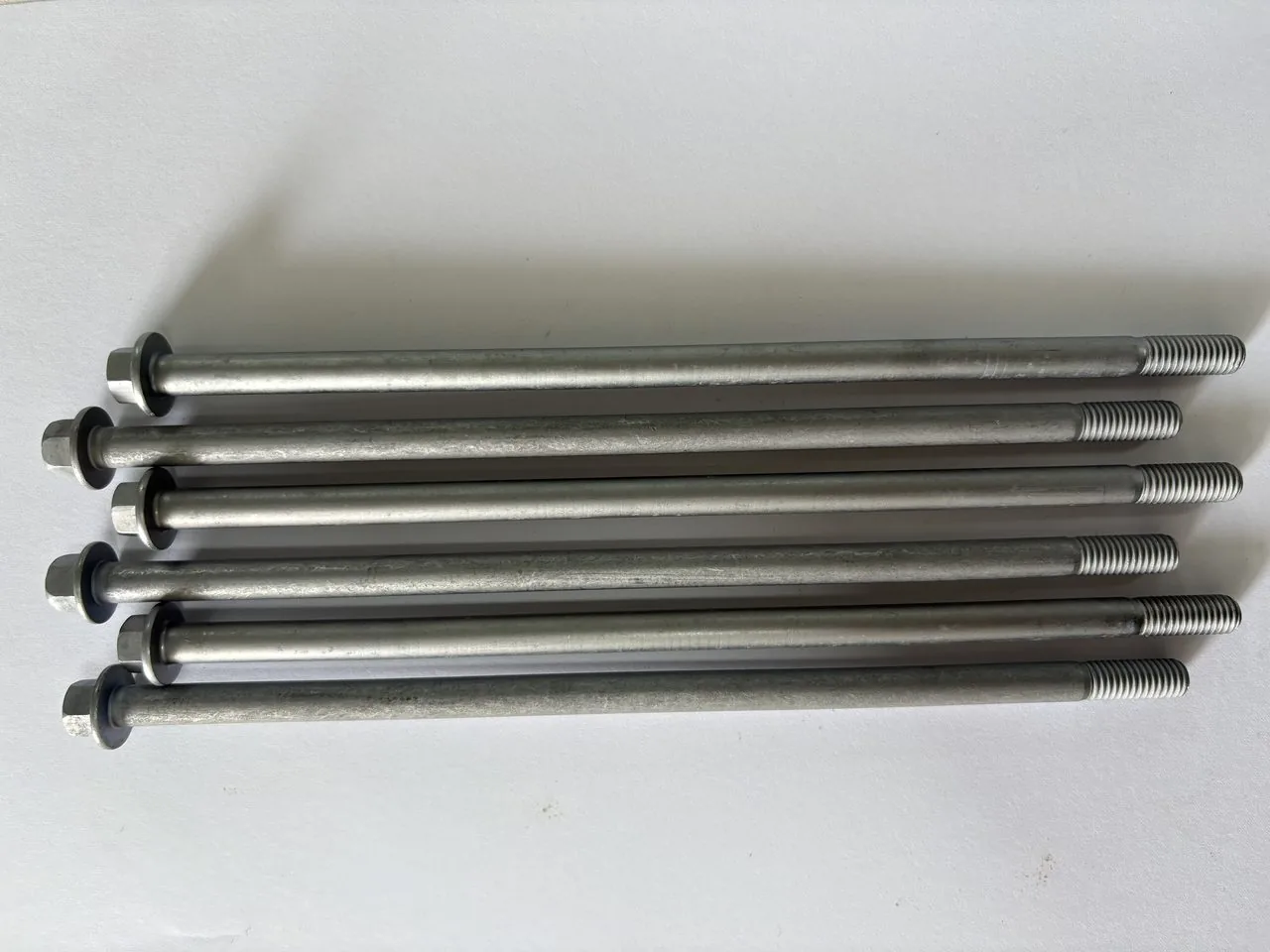
3D printing is changing how fasteners are produced and accelerating customisation. The technology forms fasteners directly without conventional tooling, and geometry and dimensions can be adjusted flexibly to customer requirements, which shortens development and production cycles and lowers the cost of customisation; manufacturing cost falls by 40% against conventional processes. 3D-printed fasteners are already used at scale in medical implants, where their share has risen to 12%, with customised designs meeting individual patient needs. In aerospace, 3D-printed titanium fasteners allow complex structural geometry, reduce weight and improve flight efficiency, and are being adopted on high-end airframes. In automotive, the technology produces profiled fasteners quickly for the assembly of integrated die-cast bodies, moving car manufacturing toward customisation and lightweighting. As the technology matures, its use in fasteners will widen further, shifting the industry toward small batches, customisation and high precision.
AI and IoT Enable Smart Fastening
Artificial intelligence and the Internet of Things extend the boundaries of fastening systems. By integrating sensors, AI algorithms and connectivity, a conventional fastener becomes a smart fastening system that monitors clamping force, temperature and vibration in real time, issues warnings and adjusts itself, a shift from passive connection to active monitoring. In industrial equipment, wind power and rail transit, such systems improve operating stability and cut maintenance cost; penetration in industrial equipment monitoring is expected to reach 15% by 2030, creating USD 8.2 billion of new market. In wind power, a smart system tracks bolt condition and warns of loosening before a failure occurs, avoiding downtime and reducing O&M cost. In new energy vehicles, it controls preload precisely, improving battery pack assembly reliability and vehicle safety.
Digitalisation Optimises the Whole Process
Digital technology optimises the entire production flow and raises efficiency. Applied to fastener manufacturing, AI and big data allow intelligent control of process parameters, precise quality inspection and efficient supply chain management. Data analysis lets companies optimise process settings, stabilise quality and cut defect rates. Automated inspection identifies product defects quickly, with efficiency more than 10 times that of manual inspection and accuracy of 99.9%. A digital supply chain platform makes raw material purchasing, production planning and logistics visible end to end, improving responsiveness and lowering operating cost. Leading companies already run fully digital production control, with efficiency more than 50% above conventional lines, setting a benchmark for the industry’s digital transformation.
Challenges of Adopting New Technology
New technology also brings new challenges. Technically, 3D printing and AI place high demands on R&D capability and capital, and small and medium-sized enterprises struggle to carry the development cost. On standards, products such as smart fastening systems and 3D-printed fasteners lack a mature standard framework, which constrains standardised development. On talent, these technologies need people with cross-disciplinary knowledge, and the shortage in the industry becomes more acute.
Innovation-Driven Development Ahead
As emerging technologies iterate and spread, the fastener industry will enter a new innovation-driven phase. Companies need to invest more in R&D, explore application scenarios and develop cross-disciplinary talent, while pushing forward industry standards to remove the technical and talent bottlenecks. Backed by these technologies, the industry will renew product forms, production models and application scenarios across the board and begin a new stage of high-quality development.