
Adhesive bonding Damage-free installation for high anchoring requirements
Adhesive bonding stud 1
Product photos
Actual photos, not renders
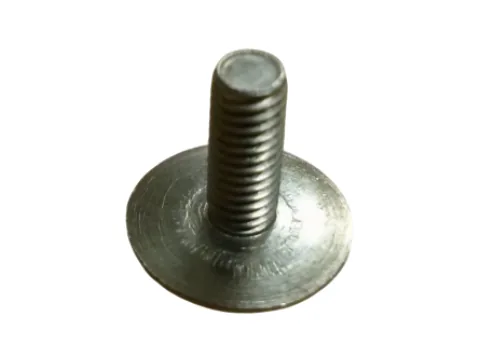
Illustration note
The image shows an actual part of this specification; appearance differs with surface treatment and head style, and the delivered part prevails.
Images are for appearance and structure reference; dimensions and tolerances are subject to the specifications and the applicable standards on this page.
Product description
Compiled from the existing technical description of this product on this site
The bonding stud features a perforated base. During bonding the adhesive flows through the holes and forms a rivet-like anchoring effect that greatly increases pull-out resistance. The high-precision external thread drives smoothly and delivers high tensile and shear performance without damaging the substrate surface, which suits applications that must be firm yet must not damage the base material.
Specifications
The parameters listed on this page are subject to final inspection and the applicable standards; items not listed follow the customer drawing or the order agreement and are not committed by default.
| Material | Carbon steel / stainless steel (optional) |
|---|---|
| Surface treatment | Zinc-plated / passivated (optional) |
| Standard | Per customer drawing / company standard; bonding surface treatment and base dimensions per drawing |
| Typical application | Damage-free installation for high anchoring requirements |
Drawings & customization
No public catalogue is available for this series; drawing-based requests are handled per project.
Made to drawing / sample replication
A 2D drawing or a physical sample is enough for evaluation; once confirmed, we issue drawings, build samples and obtain first-article approval before volume production. Drawings and project information are handled under confidentiality requirements.
Manufacturing process
The usual process route for this product family; actual operations follow the drawing and order requirements.
- Surface pretreatmentCleaning and activation
- Adhesive application / dispensingControl of adhesive volume and position
- CuringTemperature and time controlled by adhesive type
- Bond strength verificationSampling of tensile shear strength
Capacity & delivery
Taken from the company's published capacity and certification information; no unverified claims are included.
FAQ
Material, standards, surface treatment and installation points for this model; the data comes from the specification table on this page and from the national standards cited in the answers.
Q1What material is Bonding Stud 1 made of, and what strength level does it reach?
The specification table on this page states: material is carbon steel / stainless steel (optional). Material certificates and mechanical property test reports can be provided with the goods; batch acceptance follows the specifications above.
Q2In which applications is Bonding Stud 1 used?
Typical applications listed in the product description on this page: carbon fiber and composite structures; glass and acrylic panels; thin-walled housings and profiles; automotive tuning and industrial equipment. Overview: the bonding stud features a perforated base. During bonding the adhesive flows through the holes and forms a rivet-like anchoring effect, greatly increasing pull-out resistance.
Q3What are the main features of Bonding Stud 1?
Features listed in the product description on this page: perforated base, with adhesive flowing through the holes to form an anchoring effect; anchoring force clearly higher than that of ordinary flat-base bonded parts; high-precision external thread that drives smoothly without slipping; drilling-free installation that preserves substrate integrity.
Q4To which standard is Bonding Stud 1 produced and accepted?
The specification table on this page states the governing standard: per customer drawing or company standard; bonding surface treatment and base dimensions per drawing. Dimensional inspection reports are available with the shipment; batch acceptance is carried out according to the above standard and the drawing agreed by both parties.
Q5What are the benefits of bonded hybrid joints such as Bonding Stud 1?
The adhesive layer spreads the load over a larger area and reduces stress concentration, while the mechanical part provides locating and ultimate load capacity. Combined, the two deliver sealing, vibration damping and peel resistance at the same time, and are commonly used to join thin-walled parts and dissimilar materials. This paragraph explains the mechanism; verification follows the GB/T 7124 tensile shear strength test. For this model, the data in the specification table on this page applies. (Applies to this model: Bonding Stud 1.)
Related models
Alternative sizes in the same series and cross-series fasteners commonly used together
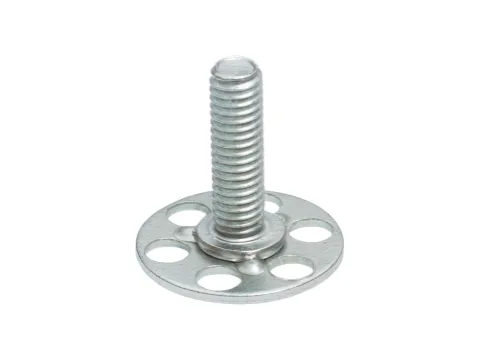
Adhesive bonding
Adhesive bonding studs
This bonding stud uses a unique multi-tooth base
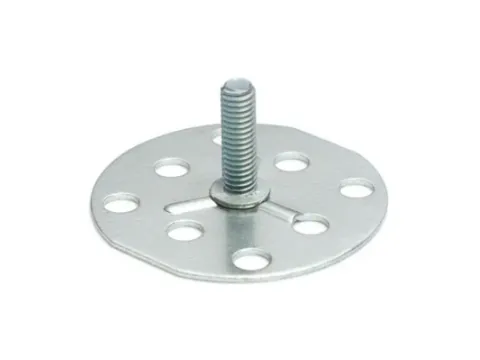
Adhesive bonding
Adhesive bonding stud with oversized washer
This bonding stud uses an extra-wide washer base that greatly increases the adhesive contact area and markedly improves pull-out and shear strength. Combined with the fine bottom-surface treatment
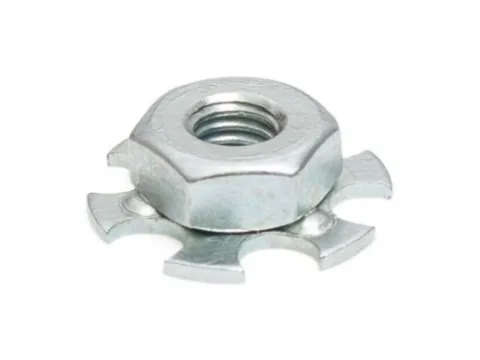
Adhesive bonding
Adhesive bonding nuts
The bonding nut uses a large base plate to increase the bonding area
Anti-Loosening
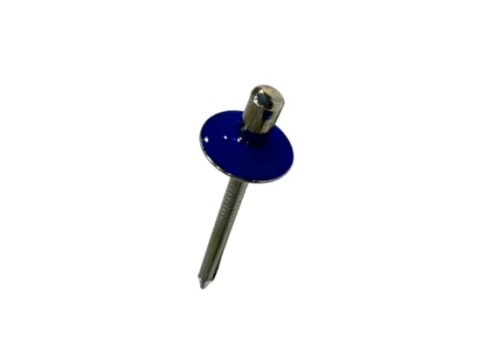
Type 69 Pre-applied Sealant Sealing Blind Rivet
The Type 69 pre-applied adhesive sealing rivet uses a pre-coating process; the adhesive cures after riveting to form a seal, providing waterproof and anti-loosening functions, fixed by riveting
Riveting and clinching series
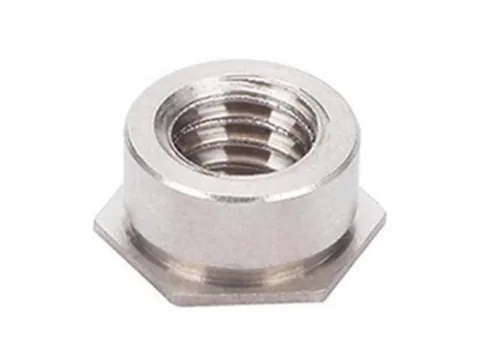
Ultra-Thin Anti-Loosening Self-Clinching Nut
1.2mm ultra-thin clinch nut, custom-made for thin sheet metal, hardened alloy steel